
- Reuters
- September 15, 2026
US returns over 450 antiquities to Pakistan in major cultural heritage handover
-

- Muhammad Faizan Khan
- May 13, 2026
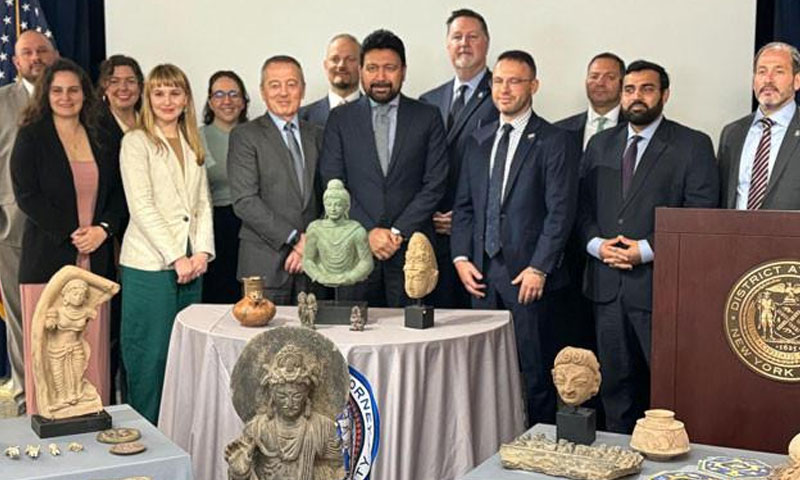
ISLAMABAD: The United States has handed over more than 450 antiquities to Pakistan in a major step towards protecting cultural heritage and strengthening cooperation between the two countries.
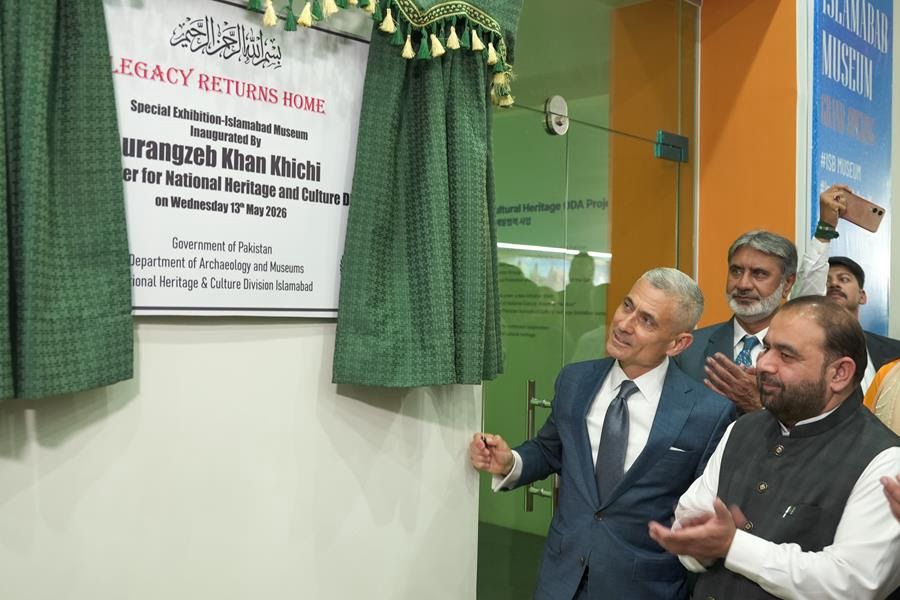
The formal handover ceremony was held at the Islamabad Museum, where US officials officially returned the recovered historical artifacts to Pakistani authorities.
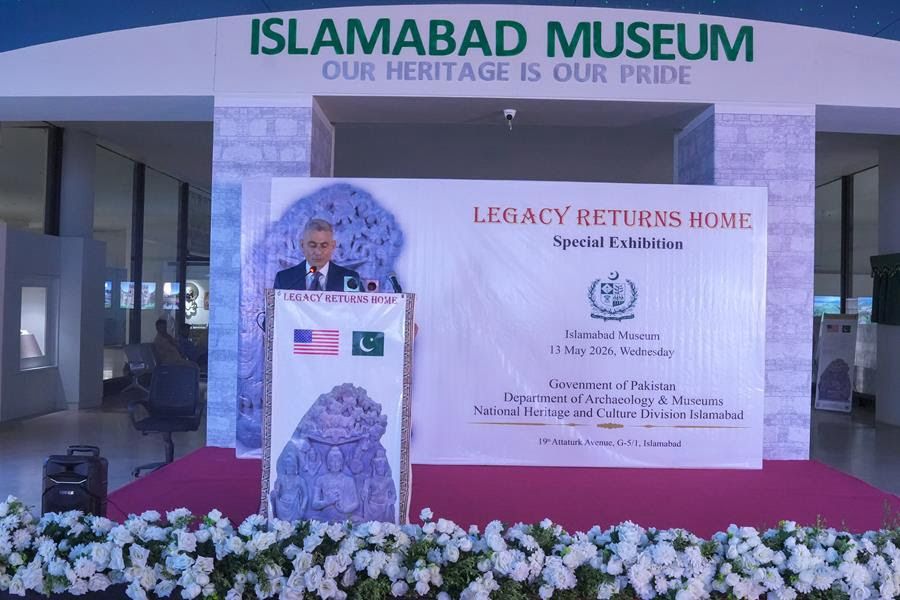
The United States has repatriated more than 450 cultural artifacts to Pakistan during a ceremony held at the Islamabad Museum, reaffirming the joint commitment of both countries to curb the illegal smuggling of antiquities and safeguard cultural heritage.
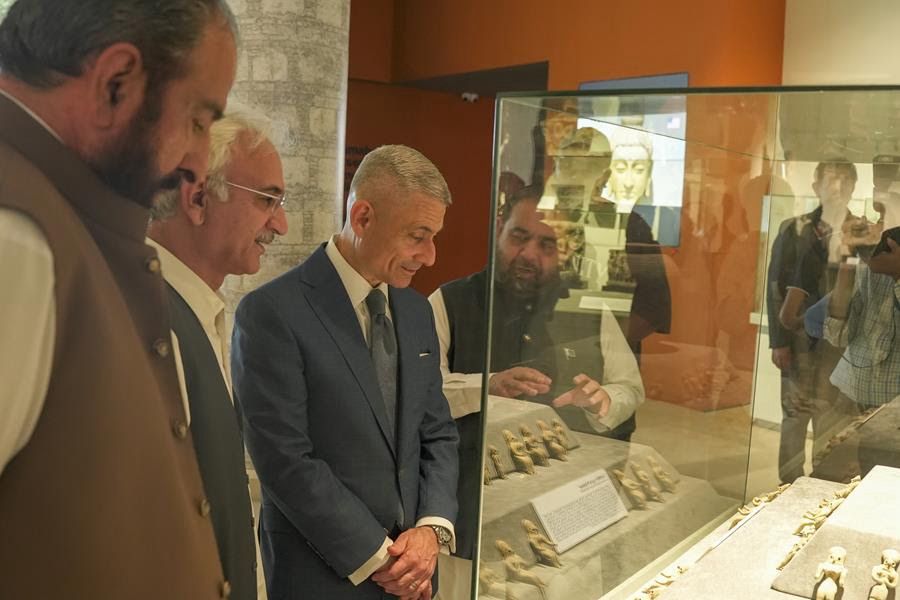
The returned collection includes historically important items that were illegally taken from Pakistan and later recovered through close cooperation between US law enforcement agencies and Pakistani authorities. These artifacts will now remain in Pakistan, where they will be preserved and displayed for the public and researchers.
Speaking at the ceremony, US Assistant Secretary of State for South and Central Asian Affairs Paul Kapur said, “These artifacts represent chapters of Pakistan’s history and connect generations with their heritage.” He added, “Each object tells a story, belongs to the people of Pakistan, and is now back home.”
Officials said the Antiquities Trafficking Unit (ATU) of the Manhattan District Attorney’s Office recovered the artifacts after investigations into international smuggling networks. Over the past decade, the unit, with support from US Homeland Security, has recovered and returned 514 antiquities to Pakistan, worth around $23 million.
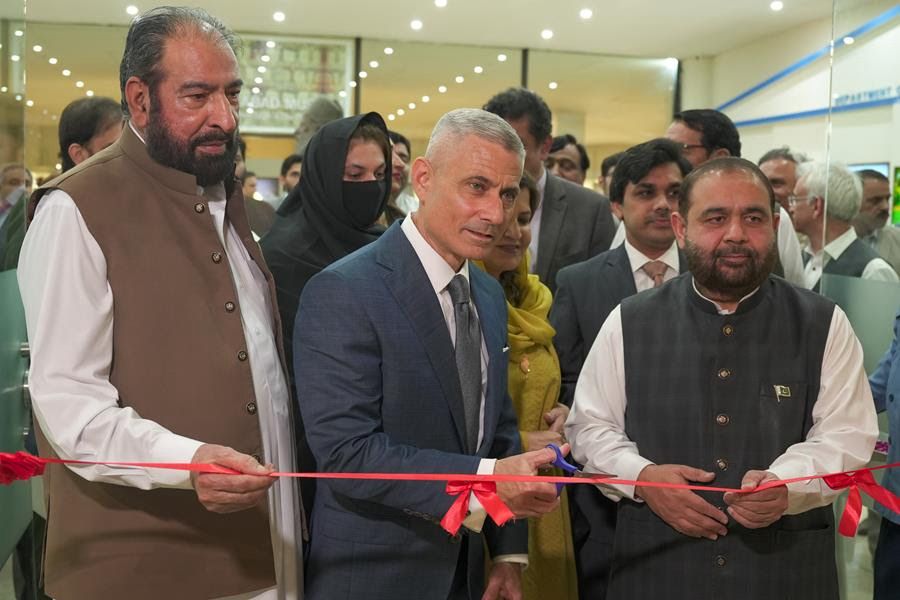
Among the recovered items are a 2nd-century Buddhapada sculpture, Gandharan-era carvings, ancient Mehrgarh terracotta figurines dating back thousands of years, a statue of Bodhisattva Maitreya, and a Gold Strato I coin.
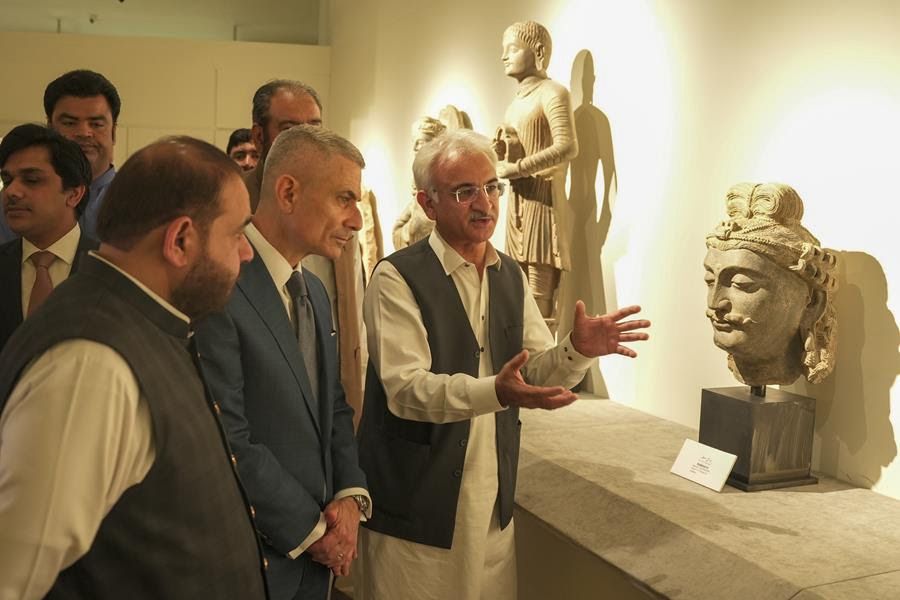
Both sides reiterated their commitment to continue working together against illicit trafficking of cultural property and to protect shared heritage for future generations.
You May Also Like

- WEB DESK
- September 15, 2026
Petrol price rises by Rs4.10, diesel by Rs6.41 per litre
- Reuters
- September 15, 2026
Samson, Reddy lead India to series-clinching win over Afghanistan
- WEB DESK
- September 15, 2026