- WEB DESK
- October 6, 2026
US strikes Iranian coastal sites after drone launches
-

- Sadiq Khan
- June 6, 2026
DUBAI: The United States carried out strikes on Iranian coastal surveillance and radar sites on Saturday after intercepting drones launched by Iran toward the Strait of Hormuz, marking a fresh escalation in the ongoing conflict between the two countries.
According to the US military, four Iranian drones were believed to be targeting maritime traffic in the strategic waterway. Following the interceptions, US Central Command said American forces struck Iranian surveillance facilities in Goruk and on Qeshm Island, both located along the Strait of Hormuz.
Iran strongly condemned the attacks, accusing Washington of violating an April 8 ceasefire agreement. Tehran said the repeated military actions demonstrated that the United States had no intention of easing tensions and warned it would be responsible for the consequences of what it described as “illegal actions.”
In response, Iran’s Revolutionary Guards claimed they launched attacks on US military bases in Kuwait and Bahrain and targeted four tankers attempting to pass through the Strait of Hormuz without authorization.
Kuwait’s military said it intercepted seven ballistic missiles that flew over residential areas, causing property damage but no casualties. Bahrain also activated emergency sirens and urged residents to seek shelter.
The US military later said that six missiles were intercepted and a seventh failed to reach its intended target, according to Reuters.
The latest confrontation comes as Washington and Tehran continue indirect negotiations aimed at securing an interim agreement to halt the three-month-long conflict. However, efforts to reach a deal have repeatedly been undermined by military clashes.
Iran is seeking access to billions of dollars in oil revenues, relief from sanctions on crude exports, the removal of restrictions on its ports, and greater influence over the Strait of Hormuz, a vital global energy route through which roughly one-fifth of the world’s oil supply passed before the war.
Meanwhile, Pakistani Interior Minister Mohsin Naqvi arrived in Tehran on Saturday for talks with senior Iranian officials, including Foreign Minister Abbas Araqchi. Iranian media reported that Pakistan, which has been attempting to mediate an end to the conflict, is continuing diplomatic efforts to reduce tensions.
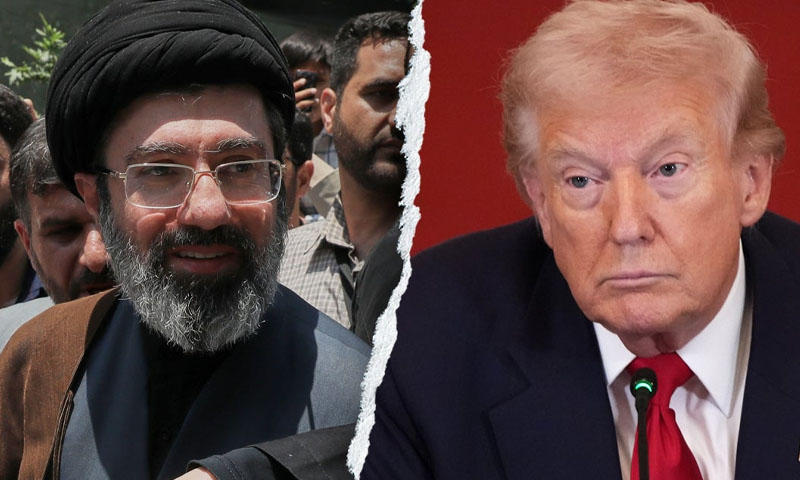
A Pakistani source said Naqvi was carrying a message for Iran’s Supreme Leader Ayatollah Mojtaba Khamenei.
US President Donald Trump, facing growing domestic pressure over rising fuel prices, said most of Iran’s drone and missile production facilities had been destroyed but acknowledged Tehran still retained a significant missile capability.
The conflict, which began after US and Israeli military operations against Iran on February 28, has disrupted shipping through the Strait of Hormuz, pushed up global oil prices, and affected international supply chains.
In a related development, fighting also intensified in Lebanon, where the Lebanese army said two officers and a soldier were killed in an Israeli strike on a military vehicle in the country’s south. Israel said it was investigating the incident.
Iran has linked any broader peace agreement with Washington to a ceasefire between Israel and Hezbollah in Lebanon, adding another layer of complexity to regional diplomatic efforts.