- Web
- 1 Hour ago
Virus outbreak kills 72 tigers at Thailand’s Chiang Mai park
-

- Web Desk
- Feb 21, 2026
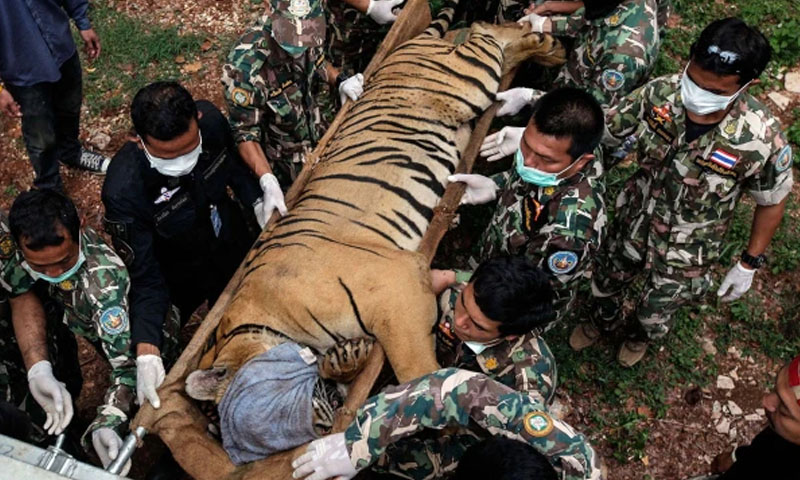
BANGKOK: At least 72 tigers have died from a virus and bacterial infections at private animal parks in northern Thailand’s Chiang Mai province, livestock authorities said on Saturday, raising concerns about disease management in captive wildlife facilities.
The deaths, which occurred between February 8 and February 18 at the Tiger Kingdom enclosures in Mae Rim and Mae Taeng districts, were confirmed after pathological samples detected canine distemper virus (CDV) alongside Mycoplasma bacteria, officials said.
Both infections are highly contagious among animals and can cause severe respiratory, digestive and immune system damage.
“The disease spread rapidly,” said Dr Peerapol Noinafai of the Regional Livestock Office 5, noting that early symptoms are often hard to spot in large cats, unlike in domestic dogs or cats, which delayed detection and treatment.
Of the total deaths, 21 tigers died at the Mae Rim facility and 51 at Mae Taeng, where veterinary teams have since relocated surviving animals to a care centre for observation and treatment, the office said.
Both parks, popular with tourists for up-close tiger encounters, have been closed to the public while authorities disinfect enclosures and prepare vaccinations for the remaining big cats to contain further spread.
Officials stressed that the virus is not a threat to human health and urged local communities to report any unusual animal deaths promptly so control measures can be implemented quickly.
Animal rights group PETA Asia reacted sharply to the incident, saying the tigers “died the way they lived — in misery, confinement and fear,” and called on tourists to avoid private wildlife parks to reduce such tragedies.
Authorities have temporarily closed the Mae Rim site for at least 14 days, during which time deep cleaning, disinfection and enhanced disease control protocols are being enforced.
As of now, dozens of tigers remain in care, and officials are preparing vaccination campaigns to reduce the risk of future outbreaks, noting that stress from captivity and co-infection likely contributed to the high mortality.
Background: The parks involved, which allow visitors to see and interact with big cats, have been at the centre of scrutiny over animal welfare and disease monitoring, with this outbreak underscoring the challenges of managing infectious diseases in captive wildlife.
You May Also Like