- Web
- 1 Hour ago
Wafaq Al-Madaris condemns Islamabad blast, calls for national unity
-

- Web Desk
- Feb 08, 2026
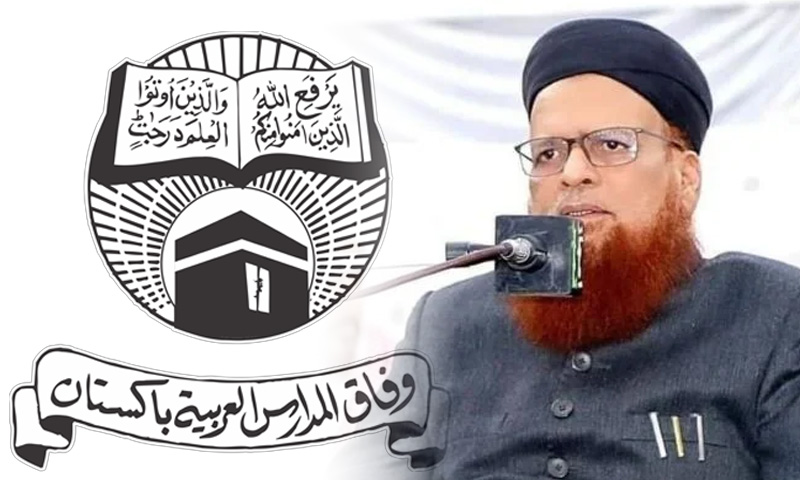
KARACHI/ISLAMABAD: Leaders of Wafaq ul Madaris Al-Arabia, Pakistan have strongly condemned the recent suicide attack in an Islamabad Imambargah, describing it as “regrettable and condemnable.”
In a statement, Wafaq President Maulana Mufti Muhammad Taqi Usmani, Senior Vice President Maulana Anwarul Haq, Nazim-e-Ala Maulana Muhammad Hanif Jalandhari, and other leaders noted that taking the lives of innocent people and shedding blood is never justified. They said that those who carry out such attacks in mosques, Imambargahs, and madrasas “do not even deserve to be called human beings” and warned that these acts of violence are tantamount to destabilising Pakistan.
The Wafaq Al-Madaris leadership called for a thorough investigation to trace the network of individuals behind this “bloody and cruel act” and urged that they be made an example of. They also demanded foolproof security for all mosques, Imambargahs, and madrasas across the country.
UNITY OF THE UMMAH IN RESPONSE
In the wake of the Tarlai tragedy, Pakistani scholars and mashaikhs moved quickly to foil a pro-India conspiracy aimed at spreading sectarianism. The National Peace Message Committee delivered a clear message reiterating both the unity of the Ummah and national cohesion.
Under the leadership of Hafiz Tahir Mahmood Ashrafi, representatives from all schools of thought conducted joint visits to the injured, offered prayers, and extended condolences. They visited the Imambargah and Khadijatul Kubra Mosque, highlighting respect, harmony, and unity in the face of hatred.
The madrasah boards and religious leadership took a unified stance, declaring that the joint struggle against terrorism and extremism will continue. Scholars and mashaikhs also reaffirmed their support for the Pakistani army and security agencies, stating that the Tarlai attack aimed to incite hatred and violence, but their collective unity thwarted this narrative.
The committee stressed that forces hostile to Pakistan seek sectarian division, but their efforts were exposed by the National Peace Message Committee. Leaders representing all schools of thought vowed that there will be no compromise on the security and stability of Pakistan.
In a joint meeting at the National Office, the religious leadership agreed on a unified strategy against terrorism, announcing that activities promoting unity and solidarity will continue on a permanent basis. Scholars and mashaikhs sent a categorical message: “We will not allow peace, tolerance, and interfaith harmony in the country to be harmed.”
Earlier, another coordinated response of scholars from all schools of thought was issued, led by Hafiz Tahir Mahmood Ashrafi. It reinforced the message that Pakistan stands united against terrorism and sectarianism. Their visits to the injured at PIMS, prayers for the victims, and public condemnation of the attackers demonstrated solidarity, resilience, and a collective commitment to peace.
Highlighting the Paigham-e-Pakistan fatwa and full support for the country’s security institutions, Ashrafi underscored that those behind the Tarlai attack are anti-Islam and anti-Pakistan forces, but the nation’s unity and resolve remain unshaken.
You May Also Like