- Reuters
- October 23, 2026
Waiting for PFF: How the federation is wasting women’s football momentum
-

- Muneeb Farrukh
- October 23, 2026
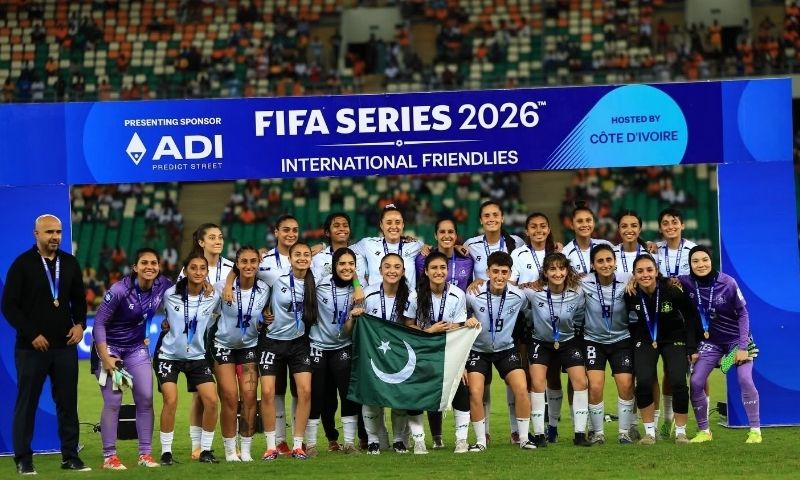
At the start of 2026, Pakistan Women’s National Football Team (WNT) was handed a rare opportunity: a place in the FIFA Series in Ivory Coast in April. It was a major stepping stone for a team looking to build on its AFC Women’s Asian Cup qualification campaign debut the previous year, while also offering Pakistan the chance to face opposition from outside Asia. More significantly, it marked Pakistan’s first-ever participation in a FIFA-organised event at any level.
In its build-up, the Pakistan Football Federation (PFF) had advertised the WNT Head Coach vacancy and more than 50 coaches applied. Then, the PFF decided to keep Adeel Rizki on as coach for the FIFA Series. No explanation was given to the applicants.
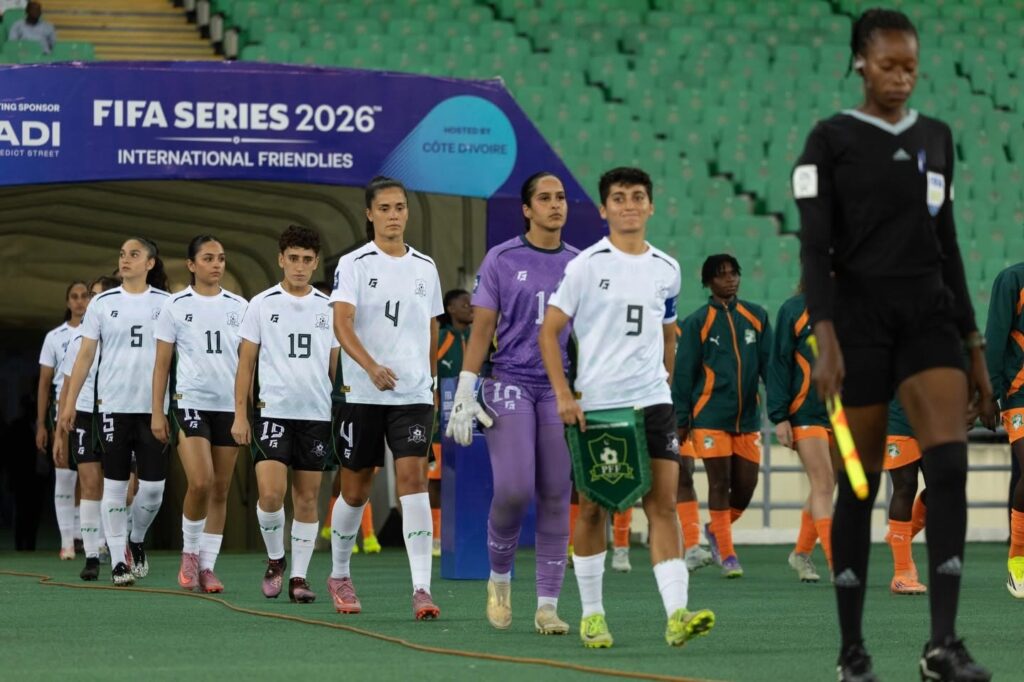
Pakistan also went into the FIFA Series without any preparation, as has been the norm for Pakistani football teams, be it men’s or women’s. The WNT had failed to play a single match since the July 2025 Women’s Asian Cup qualifiers and wasted every single FIFA window in which it could have played international friendlies, including the February 2026 one.
Pakistan turned up and beat an inexperienced Turks and Caicos Islands 8-0 before shockingly losing 1-0 to an unranked Mauritania and concluding the competition with a hard-fought 2-0 defeat to hosts and WAFCON regulars Ivory Coast. That was the last we saw of the Women’s National Team. It then missed the SAFF Women’s Championship in India and rejected an alternative tournament invite from Jordan.
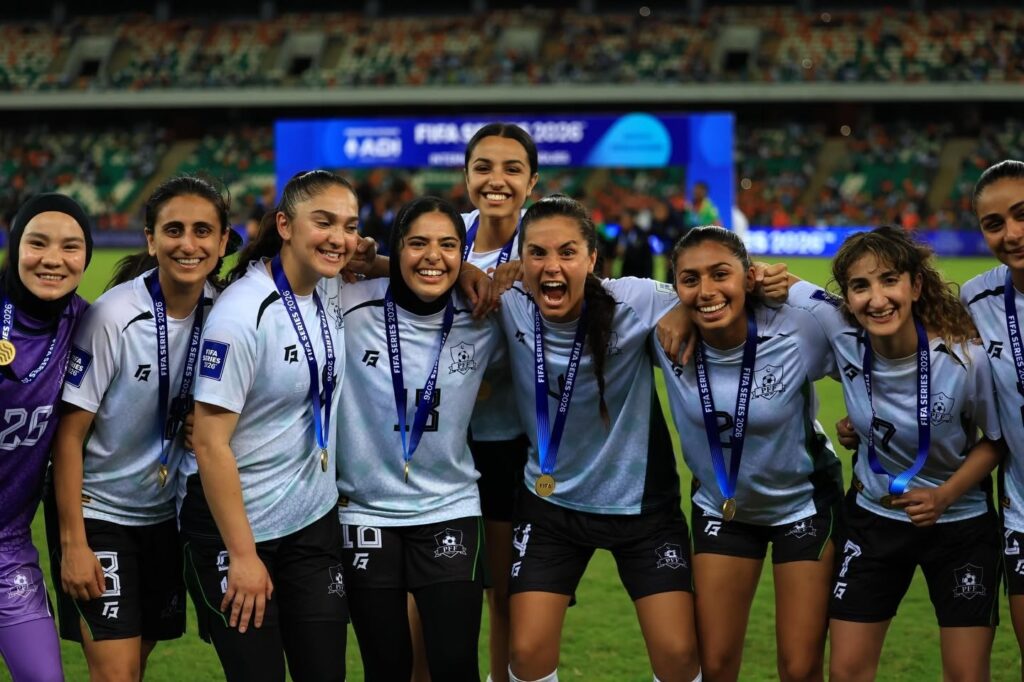
The PFF leadership had termed 2026 a ‘big year for women’s football’, but no other activity happened apart from the FIFA Series. The PFF has yet to take steps towards resuming the youth national teams, which last played SAFF/AFC-level age-group football in 2018 and included players who have since gone on to feature at senior domestic level.
The other FIFA windows in October and November-December 2026 were or will be wasted because the PFF did not line up any friendlies, and its usual reasoning of ‘lack of funds’ was on display again. Such a prolonged level of inactivity contradicts the ambitions of taking women’s football forward. With Pakistan hosting the South Asian Games in April 2027, it will be the first time Pakistan hosts international women’s football since the 2014 SAFF Women’s Championship. The February 2027 FIFA window will likely again be missed, meaning the WNT will start from scratch again.
Whilst the WNT remained without any games, the PFF once again advertised the WNT Head Coach job as Adeel Rizki became PFF’s Technical Director. Several months on from the application closing date, the PFF is yet to name a new WNT head coach.
No pathway beneath the senior team
Whilst the senior team has now resorted to playing one event a year, the age-group teams seem like a missed opportunity. The Normalisation Committee-era PFF never bothered to field age-group teams and hid behind the lack of a player pool as an issue. The elected leadership seems to have gone down the same route, failing to enter the U20 and U17 teams for both SAFF and AFC age-group events.
The PFF can continue to blame the lack of a talent pool whilst doing nothing to increase it by failing to organise domestic football. It also has enough talent among diaspora players to field both squads. But it seems unbothered about it.
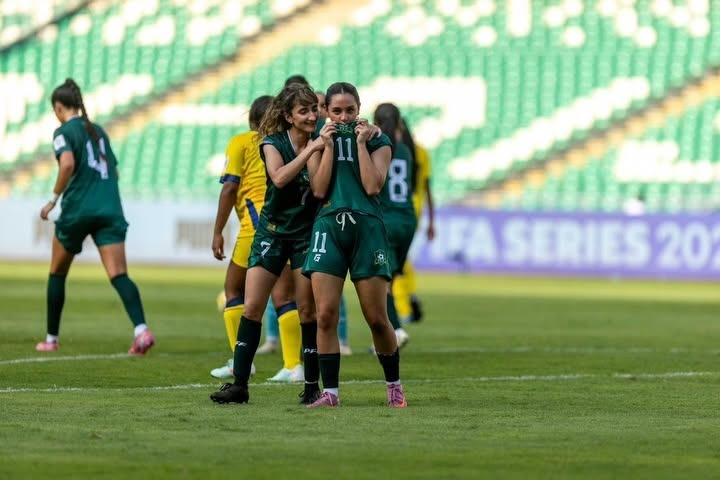
These misplaced priorities aren’t limited to the women’s game, though; the men’s game also gets mixed signals. The men’s U20 side took part in the SAFF U20 Championship back in March, but then the PFF decided against participating in the AFC U20 Asian Cup Qualifiers. It got more puzzling when the PFF arranged a one-off U20 friendly against Azerbaijan, as if it was to prepare for the AFC U20 Qualifiers. But then the senior leadership decided against the AFC U20s after keeping the coaching staff in the dark. A poor decision for which the federation still hasn’t provided a reason to date.
Pakistan will be sending its U15 team for the inaugural FIFA U15 World Cup & Festival in Azerbaijan this October, and a U17 team for the AFC U17 Asian Cup qualifiers in November after holding a PFF U17 Championship with ad hoc teams from each province and region. Women’s football has yet to get anything like that in almost a decade.
The PFF did announce an ambitious women’s football strategy this September, talking about expanding football access to women players, coaches and referees over the coming several years. Plenty of signalling, but given the Federation’s current inability to get regular international football for the women’s team, there will be doubts about the strategy’s implementation.
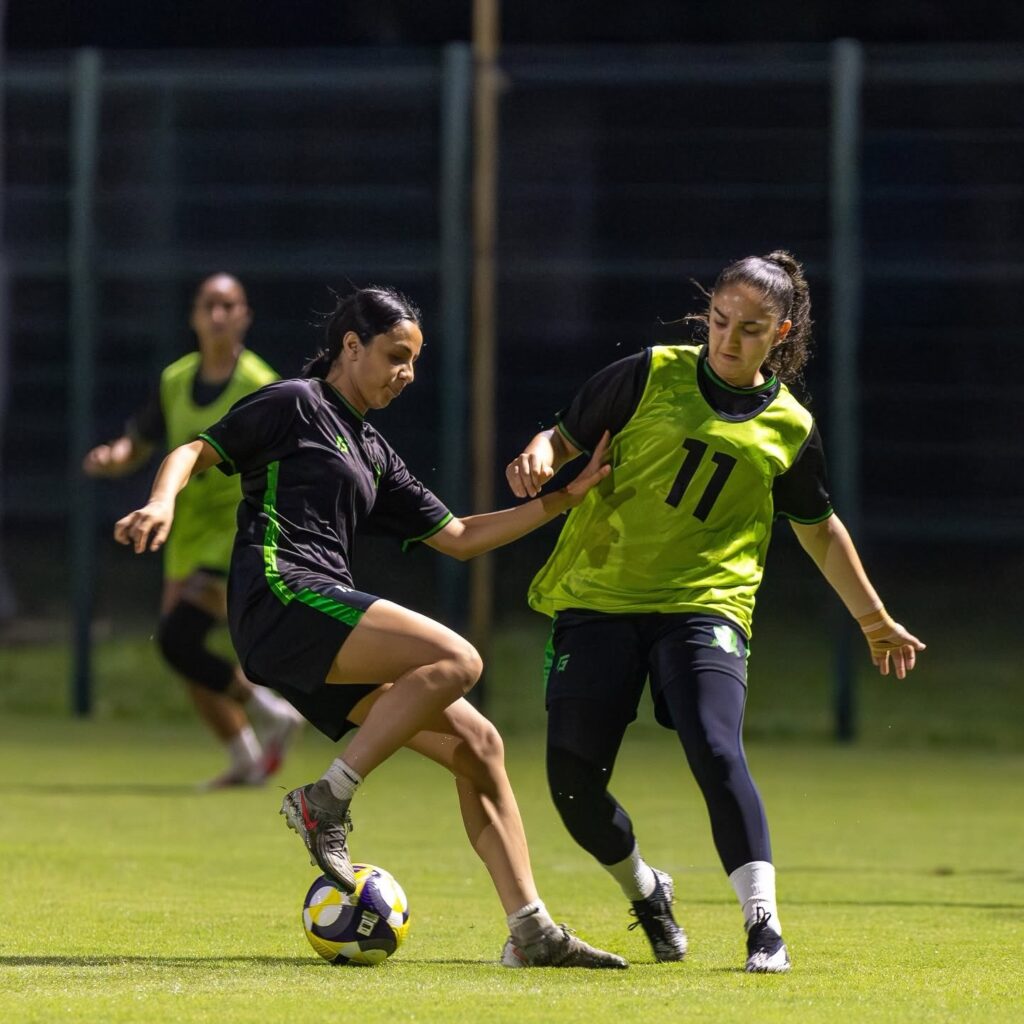
With the recently launched SHE Leagues, a five-a-side tournament spread across Pakistan’s three big cities, some domestic women’s football is back. But actual 11-a-side events remain woefully missing. Small-sided recreational football is not an adequate replacement.
The PFF can continue to do workshops, symposiums and seminars, but they won’t solve the problems our football faces on the field. Only football development through domestic competitions and age-group team participation will bring progress.
Lessons elsewhere, questions at home
There are lessons for the PFF to learn from other sports in the country. Pakistan’s women’s netball team recently won the Asian Plate Division and qualified for the main Asian Netball Championship with a squad dominated by diaspora players. Another example to take inspiration from is the Pakistan Hockey Federation, a sentence that was unthinkable a few months ago. Despite its interim setup, the PHF managed to conduct a national youth championship and field women’s youth teams in an Asian event. It also hired a foreign coach before the PFF and will now field teams in international events at senior and junior levels, as well as hold domestic competitions. Granted, this all happened with direct government backing, but it makes one curious as to why the PFF could not get similar support from the government just for women’s football despite accommodating a few serving government members in football.
Unlike the PHF, the PFF seems light years away from doing so despite having elected leadership, a fully-fledged PFF secretariat and a dedicated women’s department. It just goes to show what a little bit of vision and ambition can achieve if you really want things done. More than a year after the PFF elections, fans and the wider football community have even more unanswered questions.
Soon we’ll be in 2027 and there will be a SAFF U20 Women’s Championship, and the PFF will come with the same reasons again to withdraw. Then it will follow suit for the AFC U20 and U17 Women’s Championship qualifiers. After April’s South Asian Games, the AFC Women’s Asian Cup qualifying campaign also comes, where the WNT’s seedings will be impacted by stagnant FIFA rankings, something that is totally avoidable by playing and winning matches in these FIFA windows.
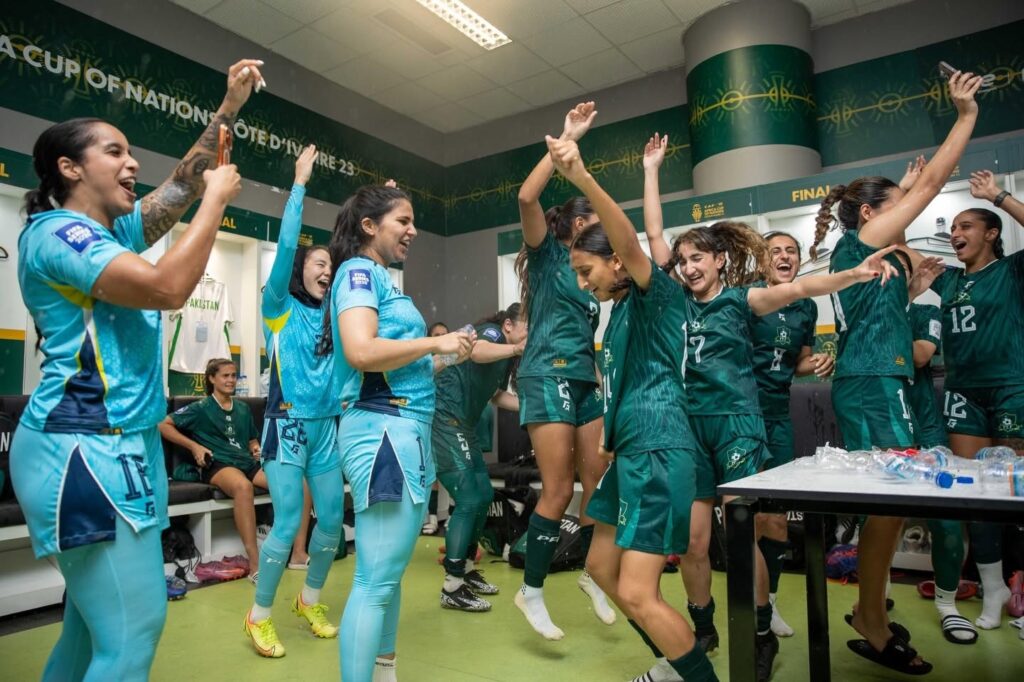
The tremendous goodwill and national attention the Pakistan WNT generated since the AFC Women’s Asian Cup qualifiers in 2025 should have been the spark to ignite genuine women’s football progress in the country. Instead, that opportunity was wasted, as is now the post-FIFA Series opportunity to get women’s football back on track.
It also does not help that most of Pakistani football’s local stakeholders either simply do not care about women’s football, or even men’s football, for that matter, or just consider it a mere formality to ensure FIFA/AFC development grants for the PFF. In fact, apparent governance crises inside the PFF leadership give little confidence that the people fighting for posts and perks care about anything else.
This cannot keep going like this. If Pakistan is to be a serious football nation, the PFF needs to get in line with the rest of the world and take actual football seriously.