- Web Desk
- Now
WATCH: Mia Khalifa condemns escalation in Lebanon – “when is it enough?”
-

- Web Desk
- 1 Minute ago
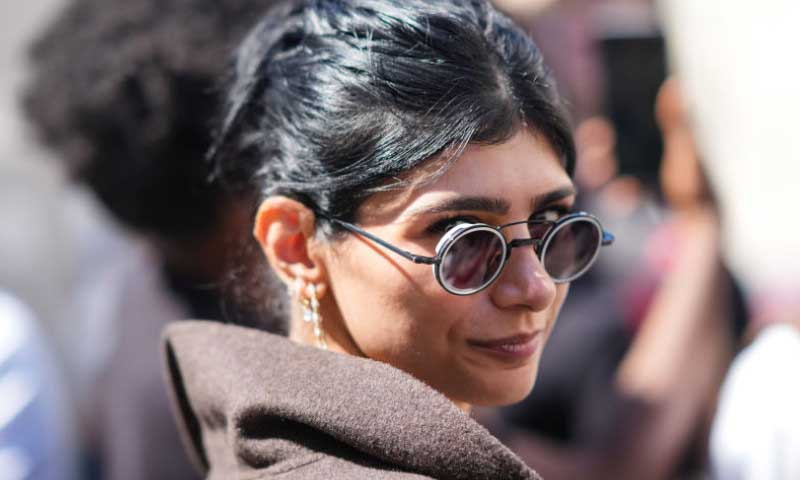
The digital landscape was met with a raw and emotional appeal today as media personality Mia Khalifa took to social media to condemn the rapid escalation of violence in Lebanon. In a poignant address, Khalifa expressed her profound distress over the humanitarian toll of recent military actions, describing the current state of affairs as “dystopian” and “insane.”
A devastating toll on infrastructure
Khalifa’s remarks centered on the sheer scale of the destruction reported over a shockingly brief period. She highlighted reports of 160 air strikes occurring within just ten minutes, targeting a wide array of civilian sectors. These strikes have reportedly leveled residential buildings, schools, and hospitals.
Beyond essential services, Khalifa noted the targeting of cemeteries and funeral processions, even as discussions of ceasefires persist in the background. “We’ve watched a genocide play out before our eyes for decades,” she stated, noting that the intensity has surged significantly in recent years.
Personal ties and global inequities
For Khalifa, the crisis is deeply personal, as she referred to Lebanon as her “homeland”. She expressed a painful internal conflict regarding the use of her own tax dollars to fund military actions against the region she calls home.
The influencer also drew a sharp contrast between global technological advancements and the persistence of regional warfare. She questioned the priorities of a world that invests in “scoping out living on the moon” while simultaneously failing to prevent the overt bombing of sovereign nations.
A call for solidarity
Struggling to find words to articulate the depth of her grief, Khalifa admitted to feeling a sense of helplessness, often relying on resharing the voices of others who might have more emotional distance. Despite her self-described “fortunate” circumstances, the visible toll of the conflict prompted an emotional breakdown during her address.
“My thoughts are with everybody in Lebanon right now,” she concluded, echoing a sentiment shared by many in the diaspora as they watch the crisis unfold from afar. Her plea serves as a stark reminder of the human cost behind the headlines, ending with a haunting question for the international community: “When will it stop?”.
You May Also Like