- Aasiya Niaz
- 18 Minutes ago
WFH, online classes: Pakistan likely to revive Covid-19 protocol to conserve fuel
-

- Web Desk
- Mar 06, 2026
ISLAMABAD: The government has principally decided to introduce weekly petroleum price adjustments starting March 8, Dawn News reported on Friday. The government may reintroduce several measures used during the Covid-19 pandemic, such as work-from-home, distance learning and car-pooling, to limit fuel consumption and reduce pressure on the country’s foreign exchange reserves.
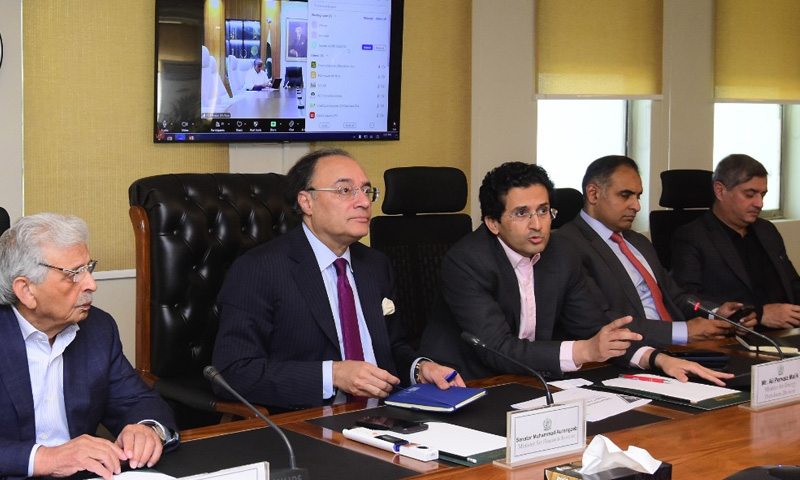
The decision was taken on Thursday during a meeting of the cabinet committee formed by the prime minister to monitor petrol prices in light of the evolving regional situation. The meeting included representatives from federal ministries as well as provincial and regional governments, who discussed steps to manage the potential economic impact of disruptions in global energy markets.
The discussions took place as tensions in the Middle East continued to escalate, with the conflict involving the United States, Israel and Iran entering its sixth day. The situation has affected global supply routes, particularly through the Strait of Hormuz, creating uncertainty in energy markets and increasing shipping, insurance and freight costs.
Officials said the proposed action plan would be presented to the prime minister on Friday. After his approval and further refinements, the recommendations are expected to be forwarded to the Economic Coordination Committee (ECC) of the cabinet for formal endorsement and implementation.
Sources indicated that the government had also shared details of the contingency planning with the International Monetary Fund (IMF).
During the meeting, chaired by Finance Minister Muhammad Aurangzeb, officials noted that Pakistan had dealt with a similar situation during the Covid-19 pandemic, when austerity measures were adopted to manage severe financial and foreign exchange pressures.
Except for health-related restrictions, several of those measures may be revived from next week. These steps aim to reduce fuel consumption, conserve energy and limit foreign exchange outflows while ensuring that critical sectors continue to function.
Participants also reviewed the country’s petroleum stock levels and preparedness to handle potential supply disruptions. According to an official statement, the committee examined a phased plan for fuel conservation based on protocols previously used during national emergencies. The approach is intended to manage demand while avoiding public alarm.
The committee is expected to finalise its recommendations and submit a detailed implementation strategy to the prime minister, covering supply security, pricing mechanisms, enforcement and conservation measures. It will continue meeting daily to monitor developments in global energy markets and review domestic stock levels and supply chains.
Officials informed the meeting that Pakistan currently holds adequate reserves of petroleum products to meet national demand. However, they stressed that the situation in global markets remains uncertain due to risks to shipping routes and rising logistical costs.
A briefing was also given on trends in international oil markets, including fluctuations in benchmark prices and increasing freight and insurance charges. Authorities warned that heightened competition for energy shipments in Asian markets could put additional pressure on Pakistan’s external accounts if volatility persists.
To strengthen supply security, the government is exploring alternative sourcing options and logistics arrangements. Officials said diplomatic and commercial engagements with friendly countries and suppliers were underway to secure additional crude oil and refined products through routes and ports considered less risky.
The committee also discussed steps to maintain market stability by preventing hoarding, illegal storage and diversion of petroleum products. Provincial administrations will coordinate with regulators to enforce compliance.
Separately, the federal government directed provincial authorities to conduct physical inspections of petrol stations through deputy commissioners to curb hoarding and profiteering.
Meanwhile, Oil and Gas Regulatory Authority (OGRA) assured the public that the country currently has sufficient petroleum stocks and urged citizens not to engage in panic buying. The regulator said authorities were closely monitoring supply chains to ensure uninterrupted availability of fuel.
You May Also Like