- Web Desk
- 2 Minutes ago
What is Trump’s ‘TACO’ moment and is it important for Pakistan?
-

- Web Desk
- 1 Minute ago
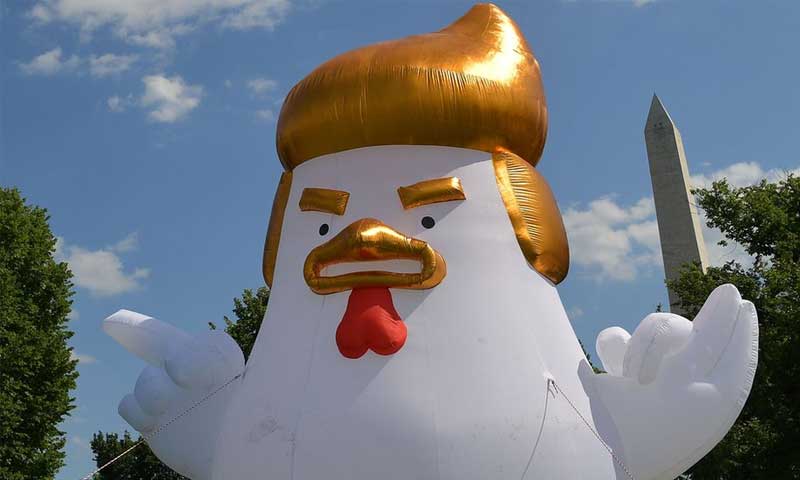
As the world watches a fragile pause between the United States and Iran, a viral nickname has taken hold online: “TACO”, Trump Always Chickens Out. The label pokes fun at what critics see as a recurring pattern in US President Donald Trump’s approach to Iran: bold threats, dramatic warnings of destruction, and then sudden openings for negotiations. From threatening the obliteration of Iranian infrastructure to promising “total destruction,” only to backtrack, the nickname captures public scepticism over Trump’s high-drama strategy.
While TACO has gone viral as a humorous critique, its relevance for Pakistan lies not in the memes themselves, but in what they signal about U.S. unpredictability, a key factor Islamabad must manage in its role as mediator. Pakistan’s diplomacy, through Prime Minister Shehbaz Sharif and senior officials, is focused on keeping both Tehran and Washington at the negotiating table and ensuring the temporary two-week ceasefire holds. Understanding the pattern behind Trump’s rhetoric helps Pakistani negotiators anticipate possible shifts, reassure Iran, and maintain credibility as a neutral intermediary.
Pakistan’s Pivotal Role in a Delicate Pause
The ceasefire, agreed just hours before Trump’s escalation deadline, does not occur in a vacuum. Pakistan has quietly positioned itself as the bridge between Tehran and Washington, leveraging trust built over years of diplomatic engagement. Islamabad relayed Iran’s 10-point proposal, coordinated with U.S. officials, and helped secure Tehran’s commitment to reopen the Strait of Hormuz while setting the stage for formal talks.
For Pakistan, this is both an opportunity and a test. By hosting and mediating these negotiations, it strengthens its international profile and reinforces its image as a credible broker. Yet the volatility reflected in Trump’s rhetoric, the very behavior mocked by TACO, makes the task more complex. Pakistani officials must plan for sudden shifts in tone, aggressive ultimatums, or rapid reversals by Washington, all while keeping Iran engaged and regional allies reassured.
Analysts note that while TACO is largely a humorous shorthand, the underlying reality of inconsistent messaging is critical for Islamabad. Each time the U.S. oscillates between threat and negotiation, it affects how Iran perceives the credibility of any proposal and influences the timing, tone, and concessions Pakistan can safely push for. Success in this delicate dance could buy crucial time, prevent escalation, and lay the groundwork for longer-term stability in the region.
In the end, while TACO is a viral nickname and not a formal factor in negotiations, it underscores the unpredictable context Pakistan must navigate. The country’s ability to manage U.S. volatility, mediate trust between rivals, and keep dialogue alive will likely be more consequential than any meme. For now, the world watches as Pakistan mediates a ceasefire in which timing, strategy, and diplomacy matter far more than social media satire.
You May Also Like