What the LHC’s latest child maintenance ruling means for divorced parents?
-

- Zoya Anwer
- June 4, 2026
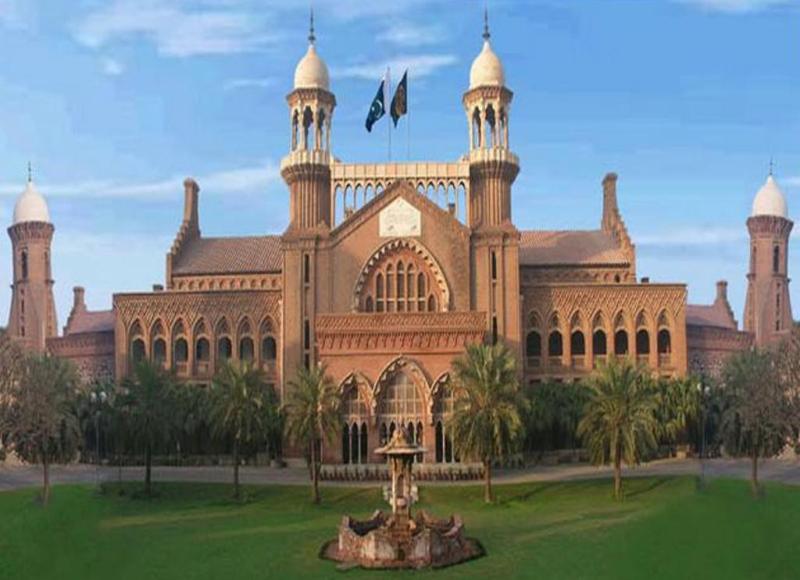

The Lahore High Court (LHC) recently ruled that a father cannot escape his legal, moral, and religious obligation to provide maintenance for his minor children through a private settlement agreement. Senior legal expert Alia Zari Abbasi, appeared on the Hum News morning show Subh Say Aagay to provide her expert analysis on Justice Kayani’s recent ruling regarding child maintenance.
Case background: Mother moves court over child’s maintenance needs
A maintenance petition was filed on behalf of a minor child through his mother, Sadia Awan, who argued that meeting the child’s financial needs had become increasingly difficult without the father’s support, affecting his welfare and upbringing.
The case reached the Lahore High Court (LHC) after Akhtar Hussain Awan challenged earlier rulings of the family court and appellate court that had directed him to pay maintenance for his son, Naseer Akhtar Awan.
Father’s argument: Private settlement and limitation plea
Awan argued that the matter had already been resolved through a private settlement in 2005, under which he paid Rs60,000 as a lump sum and the mother agreed not to pursue any further maintenance claims.
He also contended that the fresh suit filed in 2019 was time-barred under limitation laws and hit by the legal principle of res judicata, which prevents courts from reopening disputes that have already been settled.
Court’s ruling: Child’s right to maintenance cannot be waived
Justice Jawad Hassan Kayani dismissed the petition and rejected the arguments raised by the father in a detailed 15-page judgment.
The court ruled that a child’s right to maintenance is independent and cannot be waived through private agreements between parents. It held that such arrangements do not override the legal obligation of a parent to provide ongoing support.
Continuing obligation: Why maintenance claims cannot be time-barred
The judgment explained that child maintenance is a recurring and continuing obligation, meaning each period of non-payment creates a fresh cause of action.
On this basis, the court held that the principle of res judicata does not apply in maintenance cases involving minors, as their right to support continues over time.
It further ruled that limitation laws, including Article 120 of the Limitation Act, 1908, do not bar maintenance claims filed on behalf of minors or by a wife in an ongoing marriage.
Legal, moral and religious duty highlighted
The court observed that a father’s responsibility extends beyond legal obligations and includes moral and religious duties.
It stated that maintenance covers essential needs such as food, clothing, shelter, education, healthcare and overall welfare of the child.
Citing verses from Surah At-Talaq and Surah Al-Baqarah, the judgment emphasized that Islamic teachings reinforce the continuing duty of fathers to support their children, which cannot be waived through private arrangements that compromise a minor’s welfare.
Directions for legal reform
The court also directed that a copy of the judgment be sent to the Law and Justice Commission of Pakistan and the Ministry of Law and Justice for consideration of reforms to the Limitation Act in light of Islamic principles governing maintenance claims.
You May Also Like