- Web Desk
- 25 Minutes ago
White House confirms call between Gen Asim Munir and Donald Trump
-

- Web Desk
- 3 Minutes ago
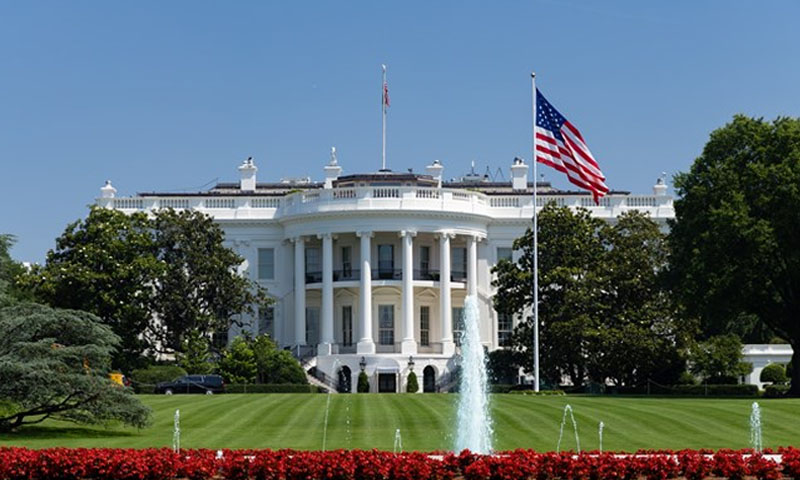
WASHINGTON/ISLAMABAD: The White House has confirmed that Pakistan’s army chief, Field Marshal Syed Asim Munir, held a phone call with US President Donald Trump, as backchannel diplomacy intensifies over the escalating conflict involving Iran.
“These are highly sensitive diplomatic matters, and the United States will not conduct negotiations through the media,” a White House statement said, underscoring the secrecy surrounding ongoing contacts.
“The situation is evolving rapidly, and any speculation regarding a possible meeting should not be considered final,” it added, cautioning against reports of imminent talks or high-level meetings.
The confirmation comes amid a surge in behind-the-scenes diplomatic activity aimed at defusing tensions in the Middle East, where a conflict involving the United States, Israel and Iran has entered its fourth week, raising fears of a broader regional war.
Pakistan’s emerging role
Pakistan has increasingly positioned itself as a key intermediary between Washington and Tehran, offering Islamabad as a potential venue for talks while maintaining contacts with both sides.
Senior Pakistani leadership has been actively engaged in diplomatic outreach. Prime Minister Shehbaz Sharif has spoken with Iranian President Masoud Pezeshkian, urging restraint and dialogue, while Munir’s reported contact with Trump highlights the military’s parallel role in mediation efforts.
Analysts say Islamabad is attempting to balance its ties with the United States, Iran and Gulf allies, while avoiding direct involvement in the conflict.
Backchannel diplomacy intensifies
Despite public denials of direct negotiations, multiple reports indicate that indirect communication between the United States and Iran is underway through intermediaries, including Pakistan, Turkey and Egypt.
The diplomatic push has already shown tentative signs of progress. President Trump recently delayed planned strikes on Iranian infrastructure, citing “productive” discussions, though Tehran has denied any direct contact with Washington.
Possible talks involving U.S. and Iranian officials in Islamabad have been widely speculated, but the White House has refrained from confirming any such plans, emphasising that developments remain fluid and uncertain.
High stakes and global impact
The crisis has significant global implications, particularly for energy markets, as tensions around key shipping routes such as the Strait of Hormuz threaten oil supplies.
The conflict has already led to rising casualties, military escalation, and economic disruption, while world powers scramble to prevent further deterioration.
Against this backdrop, the Munir–Trump call signals Pakistan’s growing diplomatic relevance, with both its civilian and military leadership playing an active role in efforts to facilitate dialogue.
However, with positions still far apart and trust between Washington and Tehran deeply strained, officials caution that any breakthrough remains uncertain.
You May Also Like