- AFP
- November 4, 2026
Who is Abdul El-Sayed, the man who has made history as America’s first Muslim senator?
-

- WEB DESK
- November 4, 2026
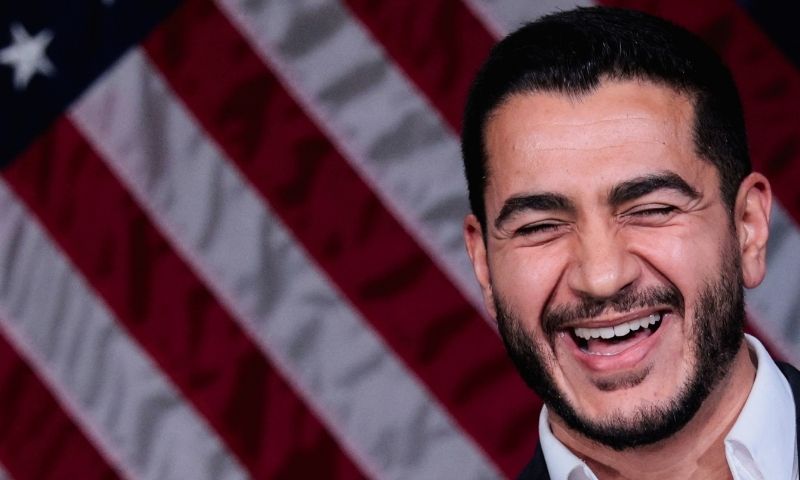
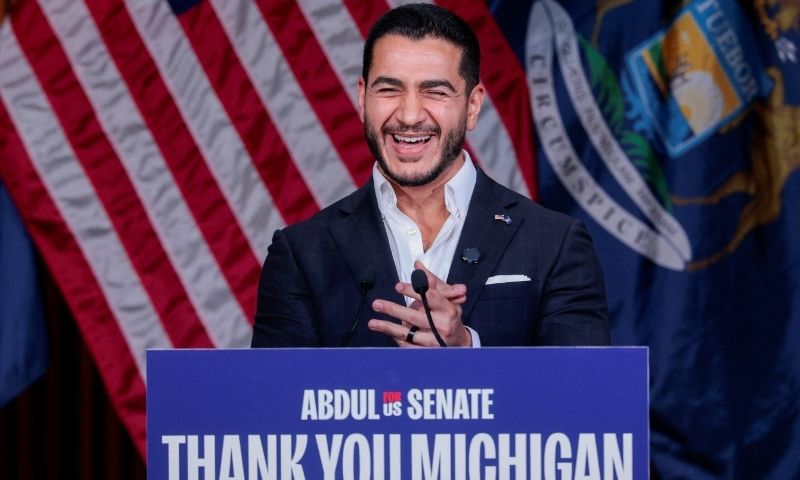
A barrier has been broken in American politics, and with it, a message has been delivered: a person’s faith or name does not define their place in public life. Abdul El-Sayed, the Democrat who has won Michigan’s US Senate race, made history as the first Muslim elected to the chamber, and used his victory speech to answer those who had made his identity a target throughout the campaign.
A physician, epidemiologist and former public-health official, El-Sayed was born and raised in metropolitan Detroit to Egyptian immigrant parents. His journey from academic research and local government to the Senate has been shaped by a career in public service and progressive politics. His victory is both a personal milestone and a landmark moment for Muslim representation in American public life.
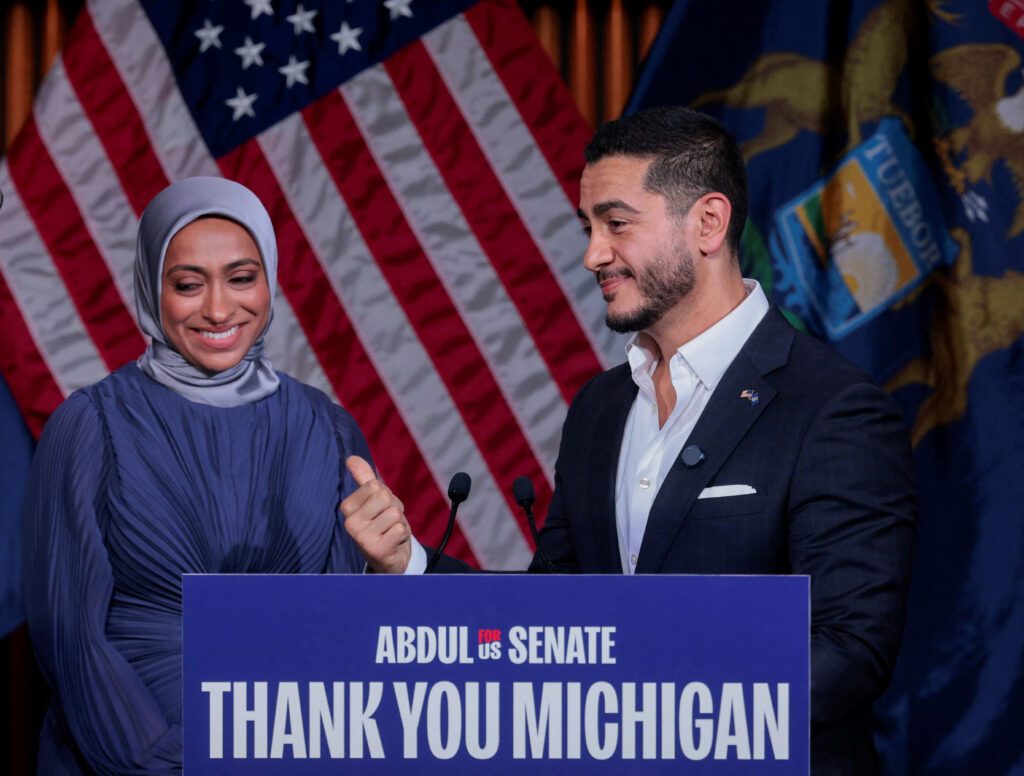
“They might have been pointing to my name and my faith, but we all know that my name and my faith aren’t the reason you can’t afford your gas. Not the reason you can’t afford your groceries. Not the reason you can’t see a doctor,” he told supporters, turning the focus to the economic pressures facing American families.
El-Sayed graduated from the University of Michigan in 2007 with degrees in biology and political science, earning the highest distinction and election to Phi Beta Kappa. He went on to study at the University of Oxford as a Rhodes Scholar, completing a doctorate in public health in 2011, before earning his medical degree from Columbia University in 2014.
He subsequently joined Columbia’s Mailman School of Public Health as an assistant professor, where he led the Systems Science Programme and Global Research Analytics for Population Health. His academic work produced more than 100 peer-reviewed publications. In 2016, Oxford University Press published his textbook, Systems Science and Population Health.
Rebuilding Detroit’s health department
El-Sayed’s career soon moved beyond universities and research. In 2015, he became director of the Detroit Health Department, taking charge as the city worked to rebuild public services following years of financial crisis and the privatisation of parts of its health system. He led the department until 2017, overseeing public-health services in a city of about 700,000 people.
His work earned him recognition from the Michigan League of Conservation Voters, which named him Public Official of the Year. Crain’s Detroit Business also included him in its 40 Under 40 list. A University of Michigan commencement profile described him as the executive director responsible for the health and safety of more than 670,000 Detroit residents.
In 2022, El-Sayed returned to public administration as director of the Wayne County Department of Health, Human and Veterans Services, also serving as the county’s health officer. The department serves about 1.8 million residents. Initiatives during his tenure included expanding access to naloxone to address opioid overdoses, tackling lead exposure and air-quality concerns, and providing free glasses to children. The county also launched a medical-debt programme aimed at cancelling up to $700 million owed by around 300,000 residents. He held the post until 2025. The Detroit Regional Chamber’s biography also outlines his work in Detroit and Wayne County.
From public health to progressive politics
El-Sayed first sought higher office in 2018, running for the Democratic nomination for governor of Michigan. He campaigned on universal healthcare, clean water, tuition-free and debt-free higher education, renewable energy and limits on corporate influence in politics. Backed by progressive figures including Bernie Sanders and Alexandria Ocasio-Cortez, he secured more than 340,000 votes but lost the primary to Gretchen Whitmer.
He continued to combine public-health work with political advocacy. He hosted and executive-produced America Dissected, a podcast by Crooked Media examining health and politics, and wrote Healing Politics, published in 2020. A year later, he co-authored Medicare for All: A Citizen’s Guide with Micah Johnson.
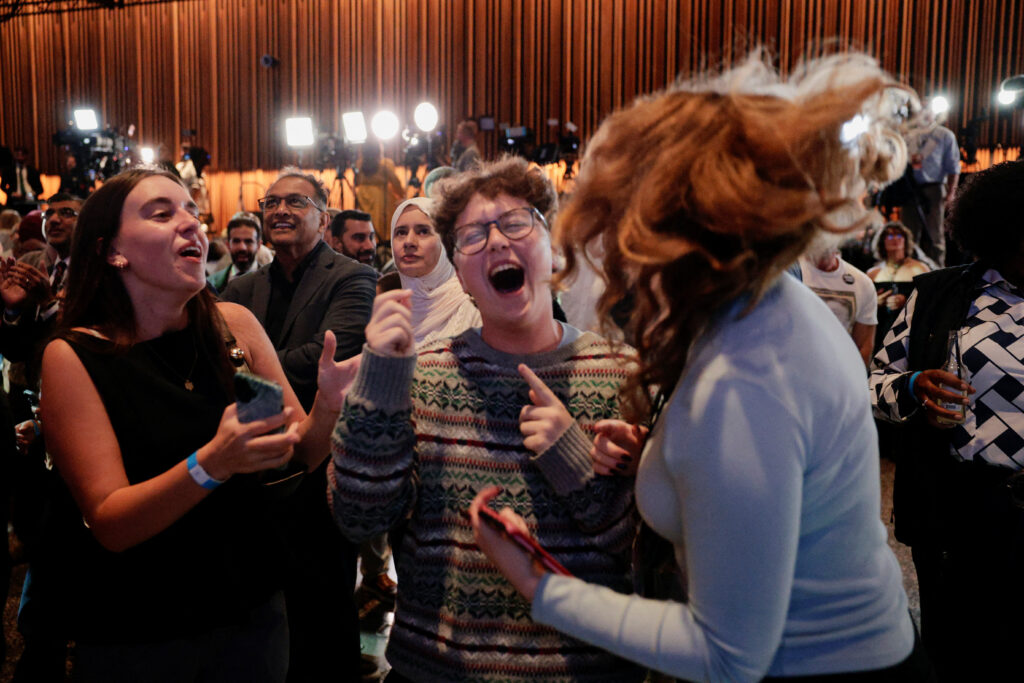
His political outlook has consistently focused on healthcare access, economic inequality and the role of government in improving people’s lives. Those themes also shaped his Senate campaign, which featured proposals for Medicare for All, campaign-finance reform, workers’ rights and higher taxes on concentrated wealth.
Faith and family in the political spotlight
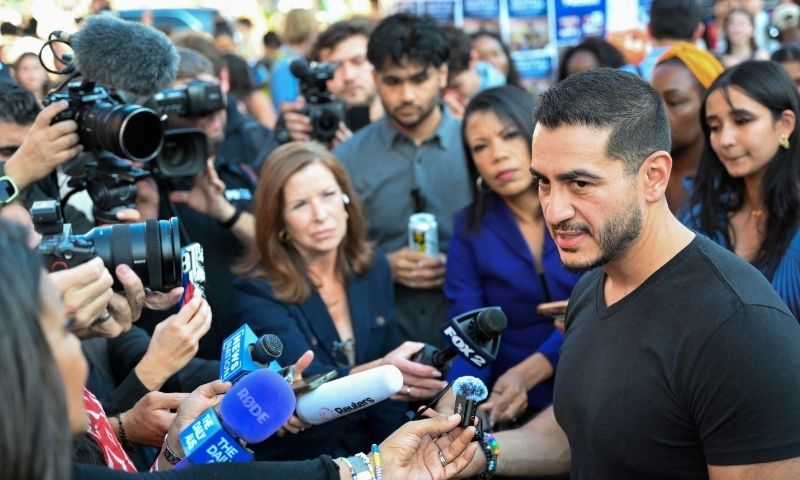
El-Sayed’s Muslim identity became a prominent issue during the Senate campaign. President Donald Trump called him a “jihadist” and portrayed him as an extremist, while Republican opponent Mike Rogers alleged links to the Muslim Brotherhood without presenting evidence to support the claim. El-Sayed has denied any affiliation with the organisation. The AP reported that Republicans repeatedly targeted his progressive views, Muslim faith and associations during the campaign.
The attacks also drew attention to his family background. His father, an Egyptian engineer and former professor, left Egypt amid a political crackdown and later settled in the United States. El-Sayed met his wife at the University of Michigan, where both were active in the Muslim Students Association. In an interview with CBS News, he described himself as a “man of faith” and rejected claims that he belonged to the Muslim Brotherhood.
The controversy reflected the wider challenges facing Muslim candidates in American politics, particularly as debates over Israel and Gaza sharpened divisions among voters. El-Sayed has been a prominent critic of US policy towards Israel, arguing that Washington’s support for the Israeli government conflicts with its stated backing for a two-state solution. His views on the issue, along with his faith, became flashpoints in a closely watched campaign.
A career shaped by public service
El-Sayed’s profile extends beyond his religious identity or his place in the political debate. He is a doctor and public-health specialist whose career has taken him from academic research to leading health departments serving hundreds of thousands of people. His transition into politics grew out of the same concerns that shaped his work in public health: access to essential services, economic security and the responsibilities of government.
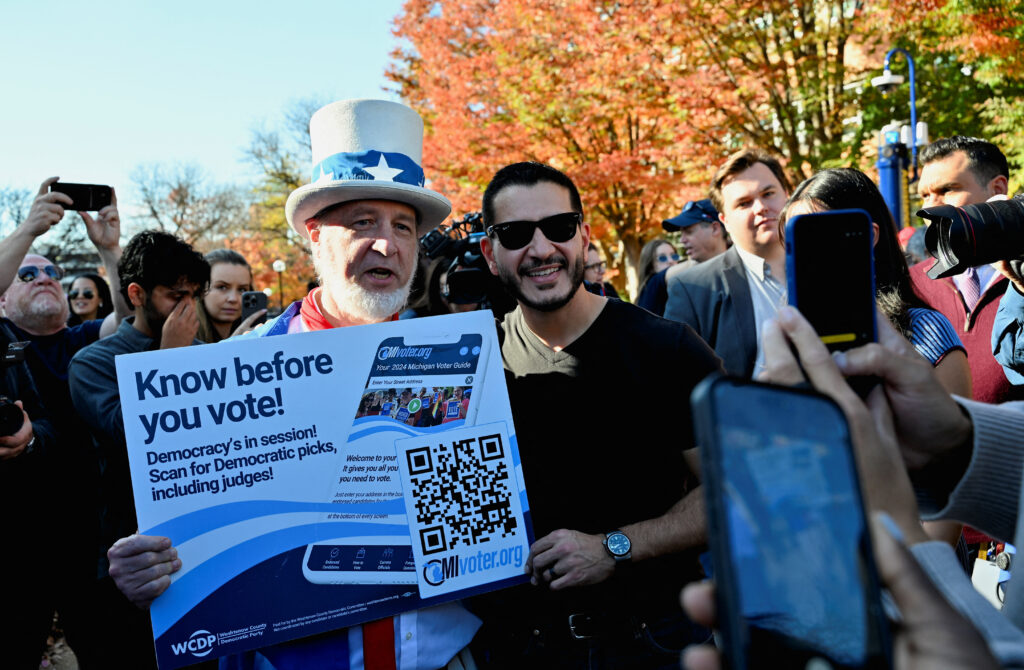
His Senate campaign brought those issues onto a national stage while placing the question of Muslim representation in American political life under an intense spotlight.