- Web Desk
- 1 Hour ago
Who is Ayatollah Ali Khamenei — and why is he central to the Iran-US and Israel conflict?
-

- Web Desk
- Mar 01, 2026
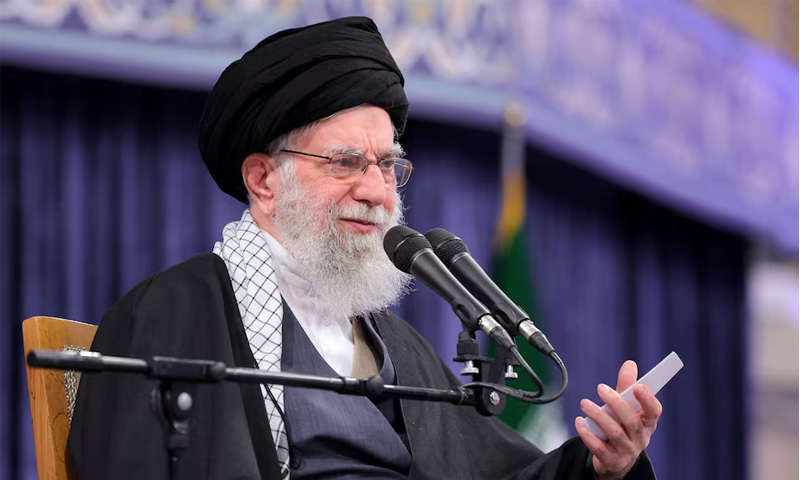
Fresh US-Israeli strikes on Iran have renewed focus on the country’s most powerful figure: Supreme Leader Ayatollah Ali Khamenei. Some of the reported targets in Tehran were located near sites associated with his office and residence, intensifying speculation about whether Iran’s leadership itself is being directly challenged.
Strikes Near Key Power Centres
Iranian media reported missile impacts in northern Tehran, including areas close to the presidential complex and locations linked to the Supreme Leader’s compound. International news agencies also cited sources suggesting Khamenei was moved to a secure location outside the capital. His exact whereabouts remain unknown.
Iran’s Most Powerful Authority
Khamenei, 86, has led Iran since 1989, succeeding Ayatollah Ruhollah Khomeini after the 1979 Islamic Revolution. As Supreme Leader, he holds ultimate authority over the armed forces, judiciary and key state institutions, while also serving as the country’s highest religious authority. His influence rests heavily on the loyalty of the Islamic Revolutionary Guard Corps (IRGC) and allied paramilitary forces.
Throughout his tenure, Khamenei has overseen periods of domestic unrest, international sanctions and prolonged tensions with Western powers. He has consistently maintained that Iran’s nuclear programme is civilian in nature, rejecting accusations that Tehran seeks nuclear weapons.
Why Would He Be Targeted?
Analysts say recent attacks appear aimed at weakening or “decapitating” Iran’s senior leadership and security structure. Israeli officials have previously issued strong statements against Khamenei, while US President Donald Trump has publicly warned that Iran’s leadership should be concerned about escalating military pressure.
Escalation and Political Messaging
Following the latest strikes, Washington signalled that military sites linked to Iran’s missile and naval capabilities were primary objectives. At the same time, US leadership has openly urged political change within Iran, a move Tehran views as interference in its internal affairs.
With regional tensions rising, uncertainty now surrounds both the security of Iran’s leadership and the broader trajectory of the conflict.
You May Also Like