- Web Desk
- 53 Minutes ago
Why are residents facing higher council tax this April?
-

- Web Desk
- Jan 28, 2026
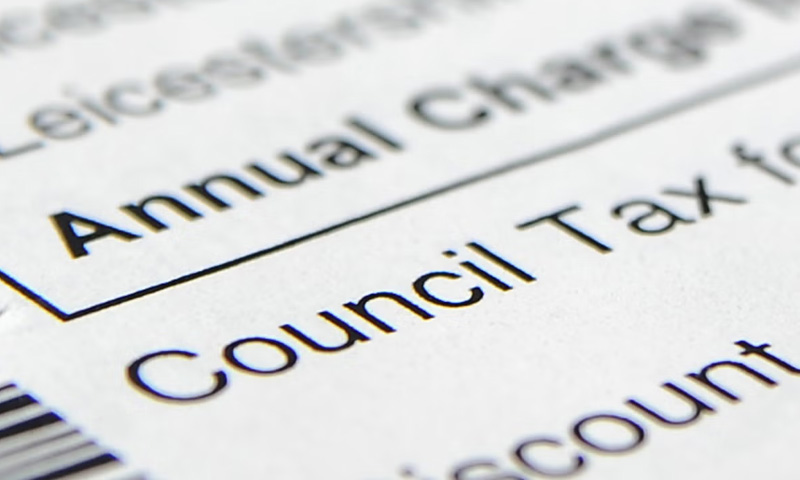
Households in Essex are set to pay more in council tax from April after county leaders approved an increase aimed at easing mounting pressures on care services, particularly for children.
Essex County Council’s cabinet has agreed to raise council tax by 3.95 per cent, a move expected to generate an additional £36 million a year as the authority grapples with soaring demand and rising costs in social care. Two-thirds of the council’s entire budget is now spent on adult and children’s services, leaving limited room to absorb further financial strain.
Council leaders say the increase is unavoidable, pointing to a sharp 15.5 per cent rise in children’s care costs alone, a news report by BBC said on Thursday. Spending on adult and children’s services is set to climb by £65 million next year, taking total expenditure in these areas to £910 million.
Chris Whitbread, the cabinet member for finance, said the decision to raise council tax was taken to protect frontline services and safeguard vulnerable children. He described setting the budget as “a challenge” but insisted the authority remained committed to delivering care while reshaping how services are run.
Alongside the tax rise, the council plans to deliver £40 million in savings over the next year by reducing some activity and changing how services are delivered. However, opposition parties have raised concerns about the impact of those savings, particularly on children’s services.
Labour councillors warned it was troubling that more than £30 million of savings would come from areas linked to children’s care, arguing that the full consequences for families were not yet clear. Liberal Democrats also questioned whether cost-cutting could undermine the quality of care provided to vulnerable children.
Council documents show that savings in children’s services will include negotiating lower costs with external care providers and increasing the use of foster placements rather than residential care. The authority currently supports more than 5,700 children and young people through social care, alongside 16,500 adults.
Despite the council tax increase, longer-term financial pressures remain. The council’s projected budget gap for next year has doubled to £110 million and is expected to rise to £279 million by the end of the decade, driven largely by children’s services and growing demand for special educational needs and disabilities support.
The council will use £6 million from its reserves to balance the budget in the short term, but senior figures have acknowledged that future years will be increasingly difficult.
The full budget, including the council tax rise, will be debated and voted on by all councillors next month.
You May Also Like