- Web
- 23 Minutes ago
Why did Pakistan raise petrol prices by Rs55 instead of Rs32?
-

- Web Desk
- 1 Minute ago
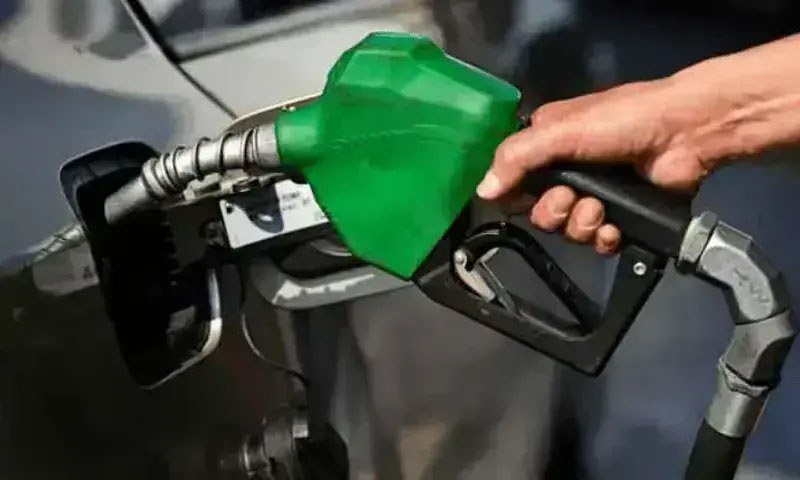
ISLAMABAD: Petrol prices in Pakistan jumped by Rs55 per litre in a single revision. Sources said that the increase would have been around Rs32–35 if it were based solely on international oil prices, but the government raised the petroleum development levy under pressure from the International Monetary Fund.
According to sources in the petroleum ministry, the government increased the petroleum development levy (PDL) on petrol by Rs20 per litre, pushing it from Rs85 to Rs105 per litre.
The additional levy pushed the total price far higher than the increase driven by global oil markets alone, the sources said.
Petrol prices were raised by Rs55 per litre to Rs321.17, while diesel rose to Rs335.86, marking one of the largest single-day increases in Pakistan’s fuel prices.
Officials said the government passed on the impact of rising global oil prices but also increased the levy to meet fiscal commitments linked to Pakistan’s IMF programme.
Global crude prices have surged amid escalating tensions in the Middle East, raising fears of supply disruptions in a region through which a large portion of the world’s oil shipments pass.
Pakistan imports most of its oil, mainly from Saudi Arabia and the United Arab Emirates, making domestic fuel prices highly sensitive to international market fluctuations.
How the increase was calculated
According to petroleum ministry sources, if the government had only passed on the impact of higher international oil prices, the increase would have been around Rs32 to Rs35 per litre.
However, the additional Rs20 levy increase pushed the final price hike to Rs55, effectively raising government revenue from each litre sold.
The levy is a key non-tax revenue source for the government and has been gradually increased in recent years as part of reforms tied to Pakistan’s IMF bailout programme, aimed at improving fiscal discipline and reducing budget deficits.
Broader economic impact
Economists warn that such a sharp increase in fuel prices could feed into broader inflation because petrol and diesel costs affect transportation, electricity generation and food prices across the economy.
The government has said it will review fuel prices on a weekly basis as global energy markets remain volatile due to geopolitical tensions.
The surge has already triggered panic buying and long queues at petrol stations in several cities as motorists rushed to fill their tanks before the new prices took effect.
Background
The hike also comes amid growing debate over how high petrol prices could climb if global crude prices continue to rise.
KP Finance Adviser Muzammil Aslam recently warned that if oil were to reach $120 per barrel, petrol prices in Pakistan could potentially reach Rs500 per litre, highlighting the country’s vulnerability as a heavily import-dependent energy market.
You May Also Like