- Web
- 1 Minute ago
Why Friday the 13th still unsettles people and why 2026 makes it harder to ignore
-

- Aasiya Niaz
- Feb 13, 2026
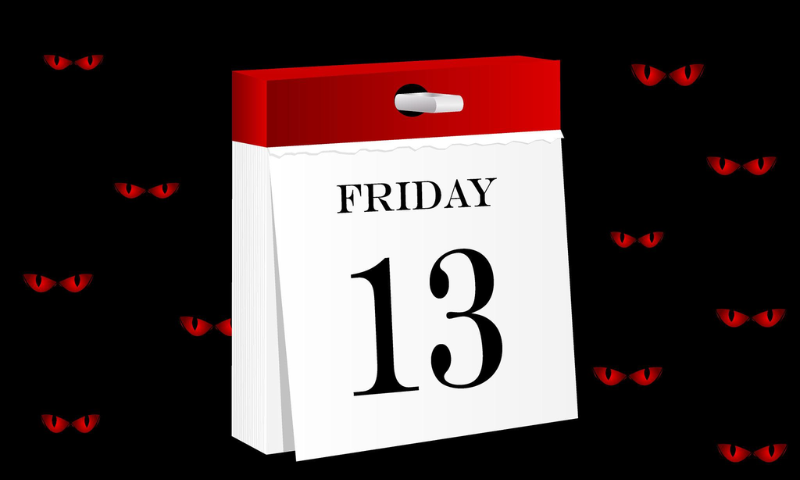
For a date that is just another square on the calendar, Friday the 13th continues to hold an outsized grip on the public imagination. In 2026, that grip feels harder to shrug off, with the superstition returning not once, but three times over the course of the year.
The first Friday the 13th arrives today, February 13, landing just a day before Valentine’s Day and marking the only one of the year to fall on a holiday weekend. It will return again in March, before making a final appearance in November, giving believers and sceptics alike repeated chances to test whether the date really lives up to its reputation.
Why Friday the 13th still carries a psychological punch
The unease surrounding Friday the 13th is deeply rooted in Western culture. The fear is so common it even has a name, paraskevidekatriaphobia, referring specifically to the fear of Friday the 13th. Closely related is triskaidekaphobia, the fear of the number 13 itself, which researchers estimate affects a significant portion of the population.
Where the superstition actually comes from
Much of the superstition traces back to mythology and religion. In Norse legend, the god Loki was the 13th guest to arrive at a feast in Valhalla, setting off a chain of events that led to the death of Baldur. In Christian tradition, Judas, who betrayed Jesus, was the 13th guest at the Last Supper. Scholars have also suggested the number’s bad reputation comes from its contrast with 12, a number long associated with completeness, from the months of the year to the signs of the zodiac.
Why people still change their behaviour
Despite centuries of folklore, there is no evidence that Friday the 13th causes more accidents, misfortune or bad outcomes than any other day. Yet many people still adjust their behaviour, avoiding major decisions, travel or risk, while others embrace the superstition head-on.
How fear turned into tradition and profit
That tension between fear and fascination has helped turn Friday the 13th into a cultural event. One of the most visible modern traditions is the surge in discounted flash tattoos, with studios across the US offering small designs at heavily reduced prices. The trend gained momentum in the 1990s and has since become a recurring ritual, with queues forming outside tattoo shops every time the date rolls around.
Elsewhere, people mark the day by watching horror films, hosting themed parties, testing old superstitions or indulging in a baker’s dozen of treats. Brands have also leaned into the moment, particularly this year, with Friday the 13th falling immediately before Valentine’s Day and fuelling “lucky in love” promotions.
Why 2026 makes the superstition harder to ignore
With three Friday the 13ths spread across 2026, the date’s psychological pull is unlikely to fade anytime soon. Whether it inspires genuine anxiety, playful defiance or commercial opportunity, the superstition continues to thrive, proving that its power lies less in the calendar and more in the stories people keep telling about it.
You May Also Like