
- Web Desk
- 50 Minutes ago
Why no one stopped Jodi Hildebrandt sooner
-

- Aasiya Niaz
- Dec 31, 2025
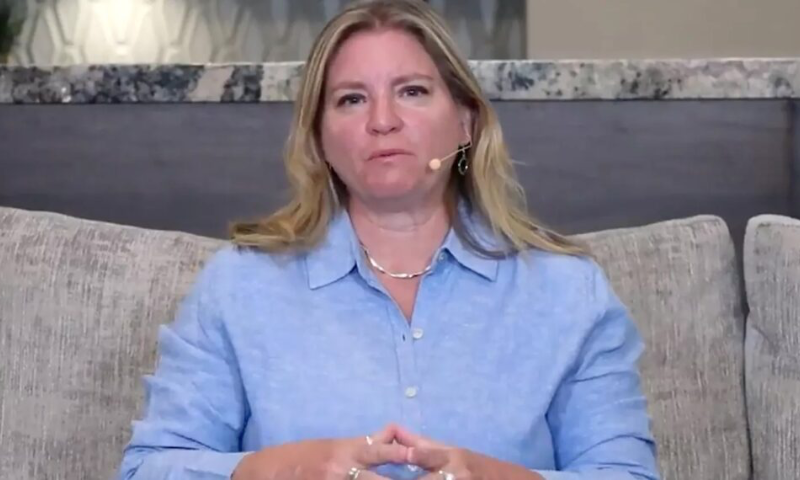
The release of Netflix’s documentary Evil Influencer: The Jodi Hildebrandt Story, which premiered on December 30, has renewed scrutiny of Jodi Hildebrandt, the former therapist and life coach whose influence became central to one of the most disturbing child abuse cases in recent years. While the crimes themselves are now well documented, the film raises a more uncomfortable question: how did her authority go largely unchallenged for so long?
Hildebrandt built her following through ConneXions, a counselling and self-help programme rooted in strict ideas about morality, obedience and personal responsibility. Framed in therapeutic language and reinforced by religious rhetoric, her teachings promised clarity and discipline to followers seeking structure, certainty or spiritual guidance. That combination proved powerful, particularly in spaces where her credentials were rarely scrutinised.
The documentary outlines how Hildebrandt positioned herself as a moral authority, discouraging dissent by framing disagreement as personal failure rather than legitimate concern. Former clients describe an environment where doubt was treated as weakness, leaving followers to question themselves instead of the system they were operating within. Over time, obedience became synonymous with growth, while resistance was cast as moral deficiency.
That dynamic became far more dangerous when Hildebrandt formed a close partnership with YouTuber Ruby Franke. Franke’s existing audience and reputation as a parenting influencer gave Hildebrandt’s ideas a far wider platform, extending her reach beyond private coaching sessions and into family life. What was presented as discipline or correction later emerged, through court records, as severe and sustained abuse.
Hildebrandt pleaded guilty in December 2023 to four counts of aggravated child abuse and was sentenced in February 2024. She is currently serving her prison term in Utah, with parole eligibility beginning in late 2026. Her counselling licence was revoked following her conviction.
Yet the documentary makes clear that the warning signs were not hidden. Hildebrandt operated in environments where oversight was limited and authority was often granted quickly. The language of self-improvement and faith can discourage scrutiny, particularly when discomfort is reframed as evidence of progress rather than a signal of harm.
Experts featured in the film point to familiar patterns of coercive control, including isolation, rigid rules and the gradual erosion of independent judgement. These behaviours are not new, but when packaged as wellness or moral guidance, they can evade the safeguards typically associated with professional therapy.
As interest in the case resurges following Netflix’s release, the focus has shifted from shock to accountability. Hildebrandt’s story is not only about abuse and punishment, but about how influence can flourish when trust goes unquestioned. The lingering question is not just what happened, but how long it took for anyone to intervene.
You May Also Like