- Aasiya Niaz
- 18 Minutes ago
Why the 2026 Winter Olympics will look unlike any before
-

- Aasiya Niaz
- Feb 05, 2026
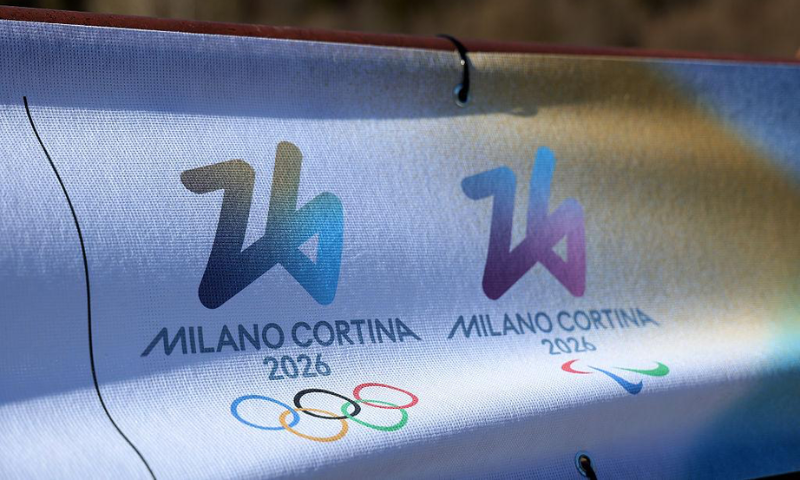
The 2026 Winter Olympics are set to break with tradition, as Italy prepares to host one of the most geographically ambitious and culturally distinct editions of the Winter Games in Olympic history.
Staged across northern Italy, the Milan–Cortina Olympics mark the first time the Winter Games will be split between two primary host cities, with events taking place in Milan, Cortina d’Ampezzo and more than two dozen venues across the region. Organisers say the model reflects a shift towards sustainability and long-term use of existing infrastructure rather than purpose-built Olympic sites.
A return to full crowds
The 2026 Winter Olympics will also mark the first Winter Games since the pandemic to welcome spectators at full capacity, restoring the atmosphere that was largely absent during Beijing 2022.
Officials expect packed venues throughout the competition, with Italy positioning the Games as both a sporting event and a nationwide cultural moment.
What happens once the Games begin
Following the opening ceremony in Milan, competition will run through February 22, with events taking place almost daily across alpine skiing, ice sports and sliding disciplines.
Early attention is expected to focus on speed skating, alpine skiing and ice hockey, as medal events begin shortly after the ceremony. With Italy six hours ahead of the US East Coast, many competitions will take place during early morning or daytime hours for international viewers, creating a more continuous viewing cycle.
Broadcasters have adjusted coverage to reflect the spread-out format, offering rolling live events, highlights and multi-stream viewing options rather than a single daily peak.
Culture takes centre stage
Italy’s cultural influence will extend beyond competition venues. Organisers have promised an opening ceremony that blends sport, music and Italian identity, while host cities are set to stage exhibitions, performances and public events alongside the Games.
Rather than concentrating attention in one Olympic zone, the Milan–Cortina model turns the Olympics into a regional showcase, spanning fashion, music, food and heritage.
What it means for the future of the Games
With nearly 2,900 athletes competing across 16 sports, Milan–Cortina is widely seen as a test case for how future Olympics may be organised.
If successful, the two-city model could reshape how host nations approach the Games, favouring flexibility and long-term legacy over concentrated mega-projects.
As competition gets underway, one thing is clear: the 2026 Winter Olympics will not look or feel like those that came before.
You May Also Like