
- Web
- 1 Hour ago
World Wetlands Day: wetlands in Pakistan and the fight to protect them
-

- Web Desk
- Feb 02, 2026
On World Wetlands Day, Pakistan’s top political leaders highlighted the urgent need to protect wetlands. They accentuated the crucial role of these wetlands in environmental conservation, climate resilience, and livelihoods. Officials also warned that the country’s fragile wetlands are under increasing threat from climate change, pollution, and unplanned development.
WHAT ARE WETLANDS AND WHY THEY MATTER?
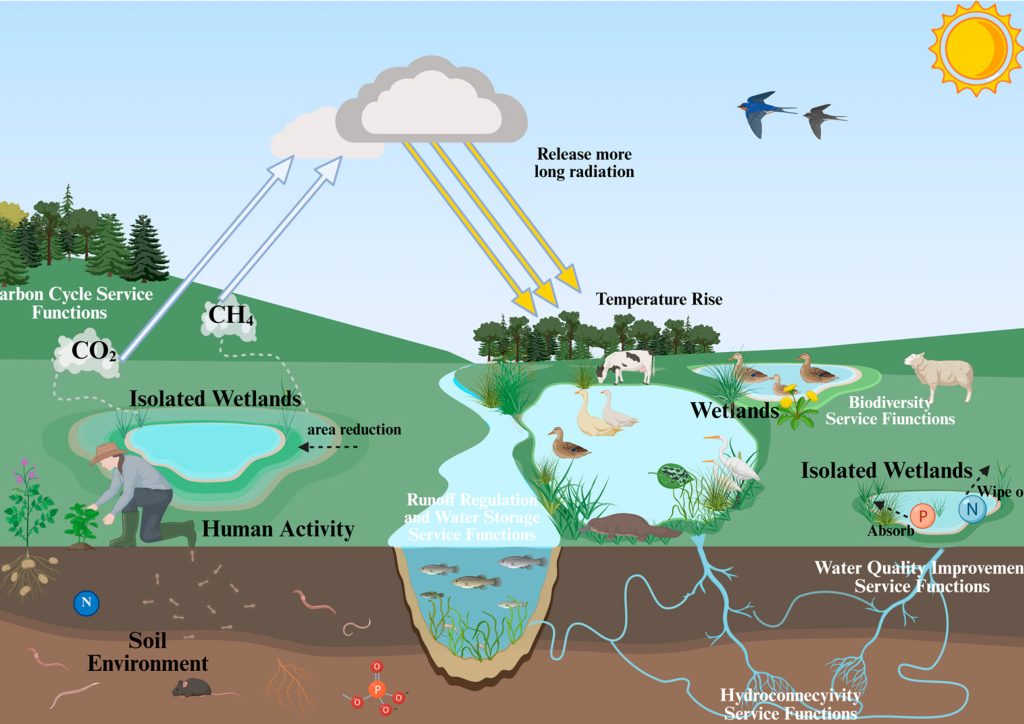
Wetlands are unique ecosystems where water covers the soil either permanently or seasonally. They include marshes, swamps, bogs, and coastal mangroves, and are among the most productive ecosystems on Earth. Wetlands act as natural sponges, absorbing excess rainfall, reducing floods, and replenishing groundwater. They also filter pollutants, store carbon, and support rich biodiversity, serving as breeding grounds for fish, birds, and other wildlife.
For Pakistan, wetlands are especially vital. The country’s Indus Delta, coastal mangroves, lakes, and rivers sustain millions of people, providing water, fish, and fertile land for agriculture. They act as buffers against cyclones, storm surges, and other natural disasters. In a country increasingly affected by glacier melt, rising temperatures, and erratic monsoons, wetlands are indispensable for climate adaptation, food security, and water management.
CLIMATE MINISTER CALLS FOR IMMEDIATE ACTION
Pakistan’s Climate Minister highlighted wetlands and forests as the nation’s largest natural carbon sinks. “The fight against climate change can be won by protecting wetlands,” the minister said, linking glacier melt, rising carbon emissions, and increased natural disasters.
He stressed that wetland conservation is directly tied to public welfare: “For families who live on wetlands, it’s a question of life and survival… These resources are for the 99 per cent of the people, not just the elite.” The minister warned that the destruction of wetlands and forests would not only harm the environment but also threaten the livelihoods of millions dependent on these natural resources.
PPP CHAIRMAN TALKS ABOUT WETLANDS’ ROLE IN CLIMATE STABILITY
Pakistan People’s Party (PPP) Chairman Bilawal Bhutto Zardari described wetlands as “the lifeblood of our environment, food security, and climate stability.” He urged urgent, collective measures to protect these fragile ecosystems, noting that Pakistan is among the countries most affected by climate change.
Bilawal highlighted the protective role of mangroves in shielding coastal populations from storms and floods. He called for sustainable development policies that preserve natural resources for future generations while balancing economic growth.
SINDH CHIEF MINISTER PLEDGES WETLAND PROTECTION
Sindh Chief Minister Sindh Syed Murad Ali Shah reaffirmed his government’s commitment to conserving wetlands, noting their importance for biodiversity, flood management, and community livelihoods. He pointed to key Sindh wetlands such as the Indus Delta, Manchhar, Keenjhar, and Haleji lakes, calling them “vital natural assets” and promising continued efforts for their restoration and sustainable use.
“Protection of wetlands helps in reducing the effects of floods and climate change,” Shah said, describing their conservation as “a guarantee of a safe future for generations to come.”
PRESIDENT STRESSES WATER SECURITY AND REGIONAL COOPERATION
President Asif Ali Zardari, in his message for the day, spoke on the importance of water security and cross-border cooperation. He expressed concern over India’s unilateral actions affecting the Indus Waters Treaty, warning that disruptions in river flows could threaten millions of Pakistanis dependent on water from these rivers.
“Water should never be used as a weapon of war,” he said, noting that regional cooperation is essential to safeguard shared water resources.
A UNIFIED CALL FOR CONSERVATION
Pakistan’s leadership sent a unified message: wetland protection is not just an environmental priority – it is a socio-economic necessity. From mitigating climate impacts and sustaining fisheries to safeguarding agriculture and human settlements, wetlands are central to Pakistan’s resilience strategy.
As the country faces rising temperatures, glacier melt, and extreme weather, leaders stressed that conserving natural resources alongside sustainable development is crucial for building an equitable and climate-resilient future.
You May Also Like