
- Web
- Feb 15, 2026
Starfish may be nothing but heads, new study reveals
-

- Hum News
- Nov 02, 2023
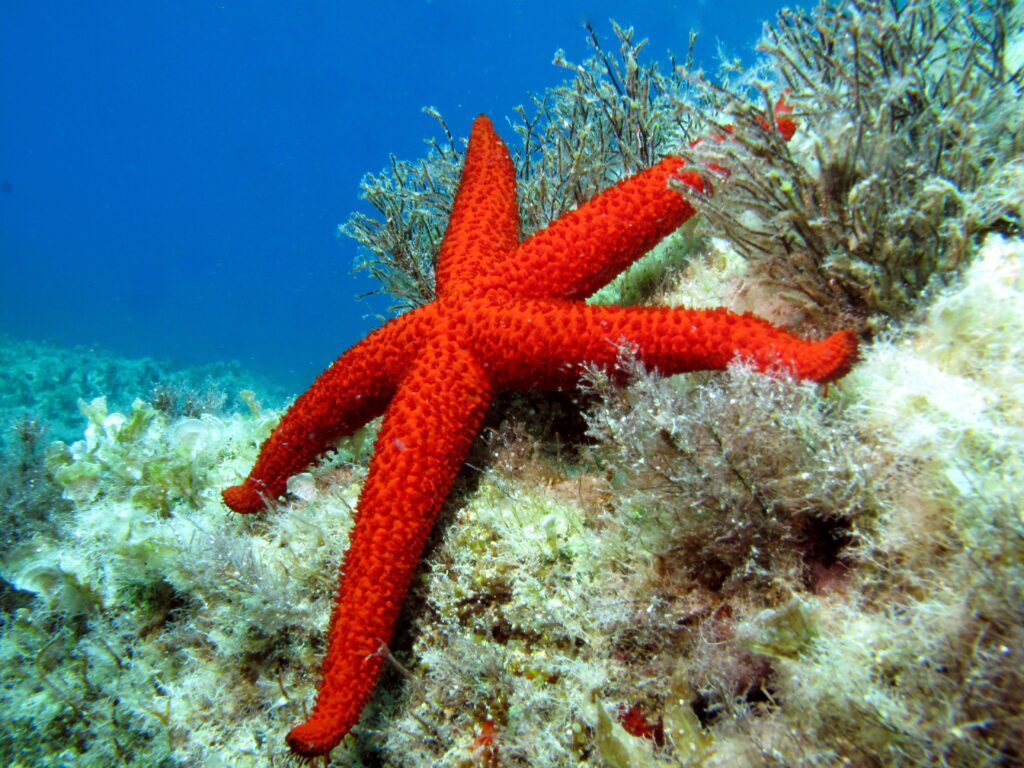
BRITAIN: A recent study conducted in collaboration with a British university has challenged long-held beliefs about starfish, suggesting that rather than being headless, they may actually be nothing but heads.
Starfish have puzzled scientists for years due to their unique shape, which doesn’t conform to the typical body structure of most animals.
These marine creatures belong to a group known as echinoderms, which also includes sea urchins and sand dollars. Their bodies are divided symmetrically into five sections, and understanding the relationship of these sections to the bodies of other animals has been a longstanding challenge for researchers.
Dr Jeff Thompson, a scientist from the University of Southampton, explained, “The makeup of echinoderms has been a mystery to scientists for as long as we’ve been studying them.”
Read More: NASA unveils eerie sound recordings from Solar System
In an effort to shed light on this enigma, an international research team led by experts at Stanford University in the United States conducted a study.
They compared the molecular markers of starfish to those of other members of a broader animal group called deuterostomes, which includes vertebrates and echinoderms. These animals share a common ancestor, allowing scientists to directly compare their development.
Using advanced molecular and genomic techniques, the research team created a 3D map illustrating the expression of specific genes during the development of a starfish.
Dr Thompson, one of the study’s co-authors, pointed out a critical revelation. He stated, “A crucial part of a conventional bilateral body was missing. The genes typically involved in the patterning of the trunk of the animal weren’t expressed. It seems the whole echinoderm body plan is roughly equivalent to the head in other groups of animals.”
The study’s findings suggest that starfish have not lost their heads but rather shed their ancestor’s bodies over time, eventually evolving into creatures composed mostly of heads.
According to the lead author of the study, Laurent Formery of Stanford, they can be best described as “a head crawling along the seafloor.”
The results of this peer-reviewed study have been published in the journal Nature.
You May Also Like