- Web Desk
- Mar 18, 2026
The martyrdom of Khamenei: A wake-up call for the Ummah
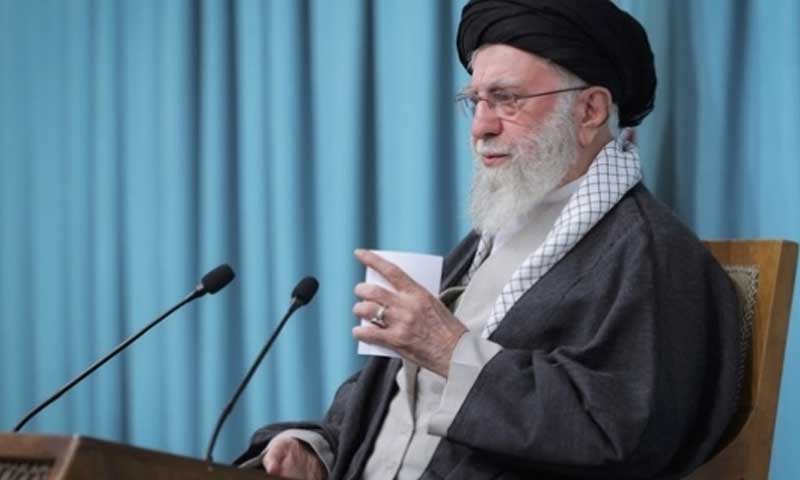
Hours before the bombs fell, Oman’s foreign minister spoke of quiet gains. A shift had taken place in Geneva, behind closed doors, guided by Muscat’s envoys. Badr Albusaidi appeared on American television, sharing what he called an unprecedented step by Tehran. Enriched uranium would no longer pile up; none would be kept beyond immediate needs. What existed already would be changed – diluted so it could never become weapon fuel. The IAEA would check every move. By his words, old arguments about how much uranium was allowed seemed outdated now. Then came dawn on February 28, 2026. Missiles struck deep inside Iran. Among those killed: Ayatollah Ali Khamenei, head of state. Damage spread across command centers and key sites. This happened just one day after hope was named aloud. Diplomacy, mid-stride, met destruction.
A sudden shift unfolded just as Iran softened its stance, exposing deep doubts about Western promises of diplomacy. The timing felt less like coincidence, more like resistance to real compromise. When openness met backlash, questions grew louder than answers. Peace talks now hang on moments that seem carefully undermined. Trust erodes fastest when moves appear choreographed rather than earned.
A wave of anger rolled through Pakistan after the strikes were labeled wrongful breaches of global rules and national rights. Sorrow weighed heavy when Shehbaz Sharif spoke of the fallen leader’s death, voice low with pain. On the phone with Iran’s foreign minister, Ishaq Dar rejected the raids as baseless – his words sharp – and pushed talks now before tensions spiral beyond control.
Desert tensions and double standards: Nuclear politics in the Middle East
Out of nowhere, tension flared along a stretch of desert where Pakistan and Iran meet, two neighbors shaped by decades of quiet understanding. Not long ago, talks had begun to ease old tensions – then explosions cracked across cities, breaking more than buildings. Fires burned at fuel sites deep inside Iran, spreading smoke over towns while families ran for shelter. In response, missiles flew back across the border under cover of night, shaking homes far from any battlefield. Oil tankers slowed near Hormuz as captains waited for signals; prices twitched on screens halfway around the world. Pakistan, still patching its own power grid and struggling with inflation, now watches unrest creep toward its western edge. Villages in Balochistan could soon fill with those fleeing violence just miles away. Trade routes meant to carry goods from Gwadar to Xinjiang now hang in uncertainty, tied to decisions made behind closed doors. Amid mourning rituals and lowered flags, many in Islamabad speak quietly about a new council rising amid grief in Tehran.
What makes one country’s nukes ignored while another gets punished? In the Middle East, Israel keeps about ninety warheads without admitting they exist. By 2026, it still refuses to join the global treaty meant to limit such arms. Meanwhile, Iran follows the rules tightly – monitored constantly – yet owns zero confirmed bombs, even with plenty of processed fuel nearby. Though Tehran cooperates fully, inspectors cannot enter Dimona; Israel blocks every check there. For years, United Nations voices have urged openness, yet nothing changes. Behind silence lies strategy: unmatched force used often against civilians near its borders, leaving trails through Gaza and Lebanon. While one nation breaks norms freely, the other bends completely under pressure. Double standards aren’t accidents here – they shape outcomes daily. Hidden capabilities turn into tools not for safety, but control, shaping lives far beyond labs and bunkers.
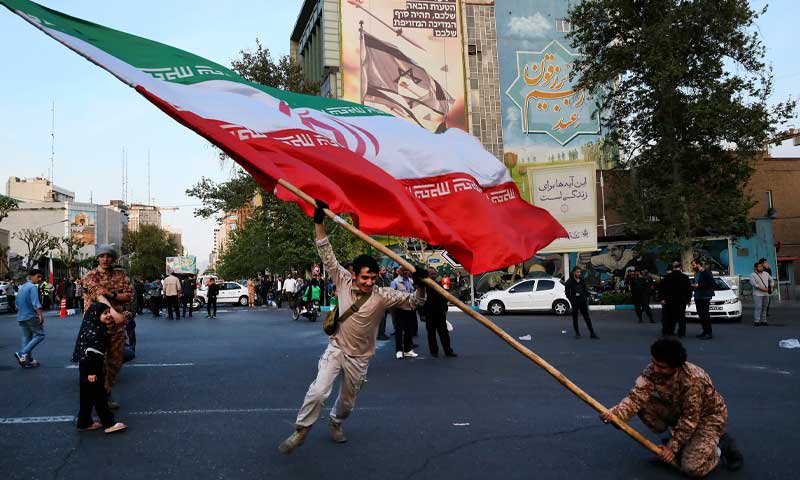
How Pakistan reacted shows clear principles, yet calm control – pointing fingers at violence but asking everyone to step back slowly. Because Tehran holds a legal shield through UN Chapter 51, Islamabad backs its claim to protect itself, though stressing reactions must stay within tight limits when targeting outposts tied to adversaries across borders. Even after counterblows ripple near allied strongholds, voices from officials warn any surge beyond balance risks lighting a fire spreading past West Asia toward home soil. Anger floods sidewalks in places like Peshawar and Faisalabad where crowds chant for fairness following attacks on a neighboring Islamic state plus symbolic figures held high. Outrage grows loud, yes – still, those same demonstrators echo government lines: stand firm on defense rights, hold every urge to strike harder in check for peace’s sake.
However, tough times demand stronger teamwork between Pakistan and Iran protection of borders, stopping militant spread, steady energy supplies, along with linked economies. The recent attack failed to weaken Iran’s stance; instead, unity across Muslim communities grew firmer. With strikes launched amid talks of peace progress, those responsible unknowingly pushed regional players closer toward real independence and joint safety plans. Even as it walks a careful path, refusing to pick sides, Islamabad keeps bonds alive with everyone while focusing on shielding Muslim countries’ stability and respect.
Peace never arrives on the wings of warplanes or secret killings. From dignity among nations, fair rules for everyone, and shared space for safety grows something steady. Standing beside Iran now means sharing grief, standing firm together, holding tight to fairness shaped by dialogue, not force. Those lost to violence stay alive in memory, their lives push us toward deeper unity and strength within Muslim communities everywhere.
You May Also Like