- Web Desk
- Feb 24, 2026
G-B decides against renewing Rs200 million contract with Shifa Hospital
-

- Hum News Tanveer Abbas
- Mar 05, 2024
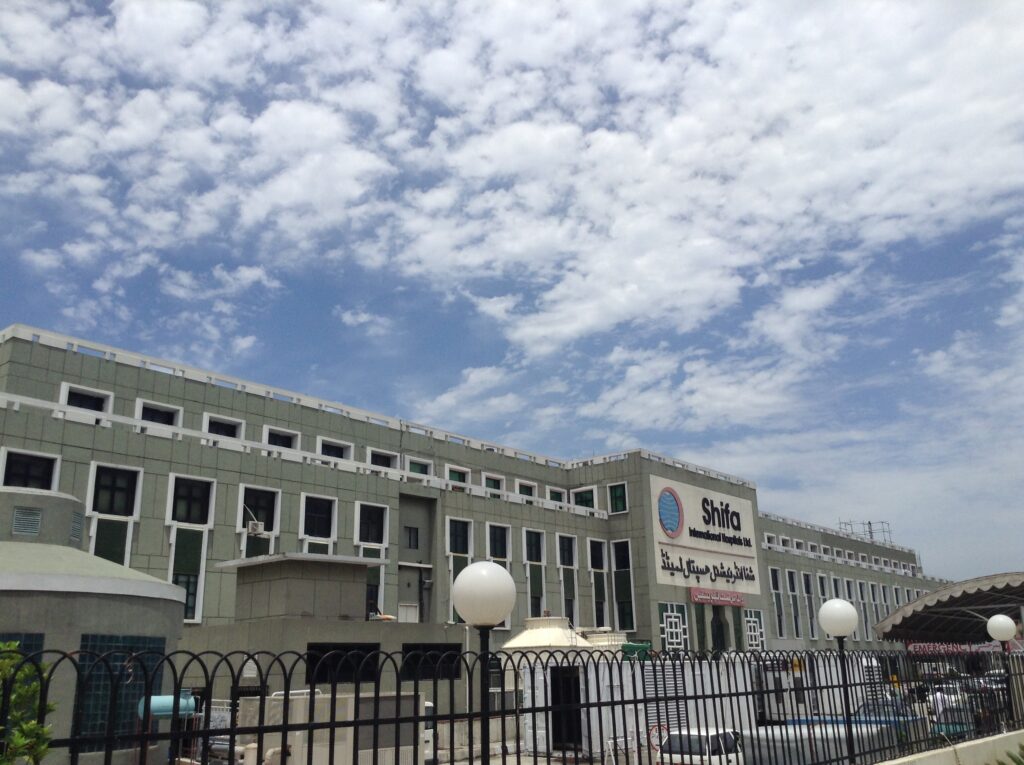
GILGIT: The Gilgit-Baltistan (G-B) government has opted not to renew its healthcare project with Shifa International Hospital, Islamabad, leading to the withdrawal of specialist doctors from the region.
In December 2022, the GB government and Shifa International Hospital entered into a pioneering agreement to address the acute shortage of medical specialists in the region.
The contract required hiring 66 consultant doctors across various specialities based on the needs identified by the GB Health Department. However, by the end of the agreement period, the project had only managed to facilitate the services of 27 specialist doctors, falling significantly short of its objective.
The one-year agreement, which expired on February 29, had the option for renewal for another year. However, sources close to the matter indicate that the decision against extending the agreement was primarily due to its hefty financial implications amidst other budgetary constraints faced by the regional government.
Under the project, the services of seven ENT specialists, four neonatologists, one child specialist, five gynaecologists, one neurosurgeon, two pulmonologists, one urologist, four critical care specialists, one radiologist, and one haematologist were secured.
The arrangement stipulated a monthly salary of Rs 0.55 million for each specialist, culminating in an annual expenditure of Rs 6.6 million per doctor.
A detailed breakdown provided by the Young Doctors Association Gilgit-Baltistan sheds light on the financial dimensions of the project. The total salary expenditure for the 27 doctors employed under this initiative amounted to Rs 178 million for a year.
Additionally, the management costs attributed to Shifa Hospital were documented at Rs 16.216 million, with the Gilgit-Baltistan Rural Support Programme (GBRSP) incurring costs of Rs 3.564 million. Collectively, these figures brought the annual cost of the project to a total of Rs 200 million.
The termination of this agreement has prompted worries about the future of healthcare availability in Gilgit-Baltistan, a region already grappling with limited access to specialized medical care. Amid these developments, the Young Doctors Association (YDA) has voiced serious concerns, attributing the inception of the project to corrupt practices under the tenure of the then Chief Secretary, Mohyuddin Wani.
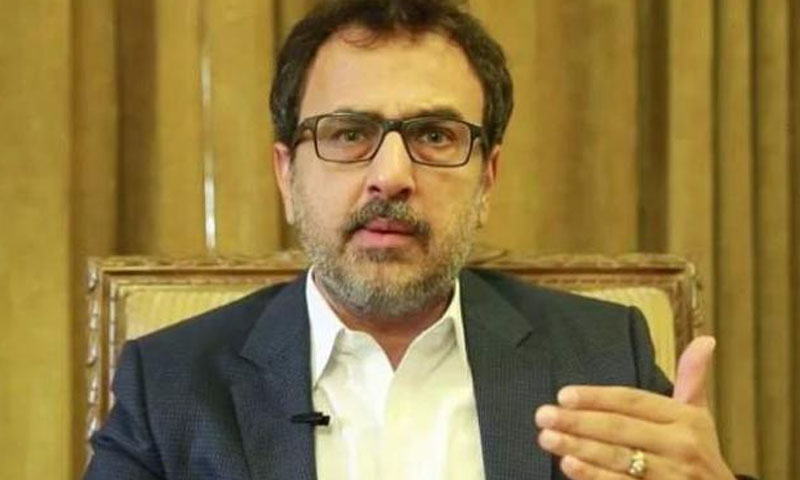
In his conversation with HUM News English, YDA President Dr Bahadur Shah criticized the project for being a means to generate profit and adjust personal acquaintances rather than addressing the healthcare needs of Gilgit-Baltistan.
He argued that while the project was justified for specialities lacking local experts, it unjustly enriched specific individuals, including bringing in specialists where local talent was available, such as “top-class neurosurgeons” already practising in Gilgit.
Dr Shah highlighted the exorbitant salaries paid to the specialists, which amounted to over Rs 100 million per annum for just one neurosurgeon, despite the presence of capable professionals like Dr Syed Arif Hussaini, Dr Sadeer Alam, Dr Ishtiaq, and Dr Fazal in Gilgit. He labelled such financial imprudence as akin to “dropping an atom bomb on the poor people of Gilgit-Baltistan”.
He called for a thorough investigation into the beneficiaries of this scheme, asserting that the local populace gained little from it.
Moreover, Dr Shah criticised the decision to hire specialists for services already well-provided within the region. He urged the government to instead focus on acquiring essential medical equipment that could genuinely benefit the hospitals in Gilgit-Baltistan.
Dr Shah called on higher authorities in Gilgit-Baltistan to take stringent action against those responsible for misappropriating funds through this project. He advocated for the involvement of the National Accountability Bureau (NAB), Federal Investigation Agency (FIA), and Anti-Corruption units to ensure that future initiatives are conducted transparently and in the genuine interest of the region’s healthcare needs.
You May Also Like