- Web Desk
- Mar 31, 2026
Pakistan’s traffic accidents soar, claiming 70,000 lives in six years
-

- Zahid Gishkori Web Desk
- Nov 06, 2024
By Zahid Gishkori, Mujahid Hussain and Abobakar Khan
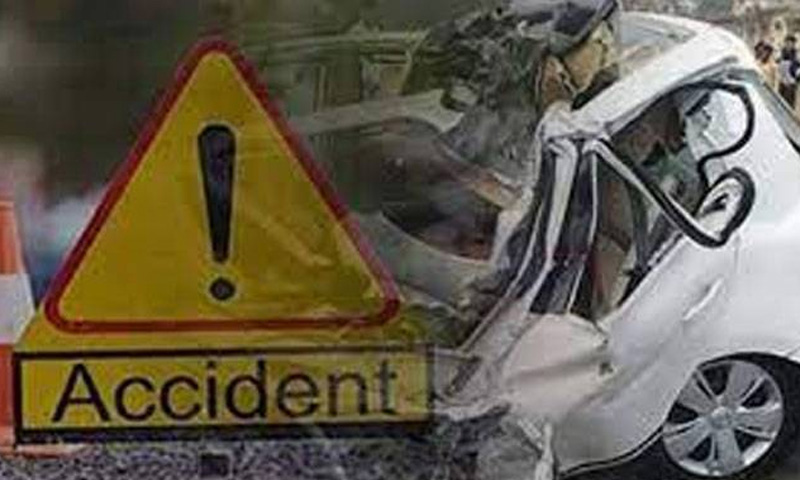
ISLAMABAD: Pakistan is grappling with a surge in traffic accidents that claim an average of 32 lives daily from the 1,701 incidents recorded each day, highlighting a pressing public safety issue. Data obtained by Hum Investigates reveals a staggering 2.5 million traffic accidents across the country since 2019, resulting in 70,600 fatalities and injuries to 4 million people.
Lahore leads in traffic accidents with 967,000 registered cases, trailed by Karachi at 458,000. Punjab bears the highest provincial toll, recording 1.56 million accidents over this period. These figures underscore a dire need for comprehensive road safety reforms as traffic incidents continue to affect thousands of lives in Pakistan every year.
Data from sources including Rescue Punjab, Edhi Foundation, Pakistan Bureau of Statistics, and provincial traffic authorities reveal a grim trend: Pakistan has witnessed over 2.5 million traffic accidents since 2019, leaving nearly 70,600 dead and injuring around 4 million people. Khyber Pakhtunkhwa recorded 314,000 accidents, with 190,000 in Peshawar alone, while Sindh saw 700,000 incidents and Balochistan 111,245. Islamabad, despite better roads, reported 5,501 accidents, with 1,596 fatalities and 4,574 injuries.
Stark Provincial Fatalities and Injuries
A breakdown of fatalities by province paints a sobering picture: Punjab recorded 18,001 deaths, Sindh 12,286, Khyber Pakhtunkhwa 7,545, and Balochistan 5,969. Injuries are widespread as well, with Punjab reporting 1.656 million, Sindh 3.289 million, Khyber Pakhtunkhwa 250,000, and Balochistan 115,000. Motorcycles are involved in 71 per cent of these incidents, followed by cars at 20 per cent, while larger vehicles and rickshaws account for the rest.
Infrastructure Deficiencies and Unlicenced Driving
With 60 per cent of Pakistani drivers unlicenced, unregulated driving is a critical issue. In the last six years alone, 3.56 million vehicles worth 109 billion rupees have been destroyed. Pakistan has over 40 million registered vehicles, with 1.3 million unregistered motorcycles and rickshaws on its roads. High-risk roads, including the Indus Highway, Multan-Muzaffargarh Road and Quetta-Karachi Highway, have been particularly deadly, with 7,000 fatalities across 320 major incidents in just five years.
Rising Fatalities and a Lack of Reforms
According to the World Health Organization, road accidents claim approximately 11,000 lives annually in Pakistan, with over 50,000 sustaining serious injuries. Despite the mounting fatalities, the government has yet to implement effective road safety measures. Traffic laws remain weak, enforcement is minimal, and underage, untrained drivers are common. Fatal traffic accidents increased by 77 per cent from 2020 to 2024, and current projections warn of a possible 200 per cent rise by 2030.
The report notes that nearly half of all drivers lack a formal license, with many obtaining them unofficially. Dangerous drivers continue to operate without repercussions, as there is no formal system for revoking licenses after severe offenses — a standard practice in other countries.
Deadly Road Sections and Regional Trends
The Islamabad-Lahore Motorway, especially a 10-km section through the Salt Range, has become an accident hotspot. Initially included in the route for political reasons in the 1990s, this hazardous section has since claimed hundreds of lives. In Punjab, high-speed collisions are on the rise, while Sindh’s chaotic traffic, particularly in Karachi, sees motorcycles making up 70 per cent of all vehicles. Khyber Pakhtunkhwa reports thousands of fatalities each year, and while Balochistan has fewer accidents due to lower population density, its highways remain perilous.
Also read: Traffic nightmare — Pakistan grapples with 24 daily fatalities, 1,101 road accidents
Islamabad, despite its modern infrastructure, records frequent speeding-related incidents, often involving high-profile figures. Generally, Pakistan’s approach to road safety is reactive rather than proactive; reforms and campaigns often follow only after major incidents, contrasting sharply with countries where continuous road safety campaigns and strict traffic enforcement are standard.
Urgent Need for Education and Regulatory Reforms
Experts suggest integrating traffic education into school curricula to foster a culture of road safety from an early age. They also call for stricter traffic laws, regular vehicle inspections, and a transparent licencing process. Long-term reforms, they argue, must prioritize vehicle fitness checks, roadside safety awareness, and more efficient legal processes to penalize violators.
With Pakistan’s roads growing more hazardous by the day, the growing toll of lost lives and injuries underscores the urgent need for reform and accountability to reverse this trend.
Nauman Quddus and Tariq Wasim also contributed to this report
You May Also Like