
- Web
- Feb 05, 2026
PC greenlights transaction framework for PIA’s stake sale
-

- Web Desk
- Jan 10, 2024
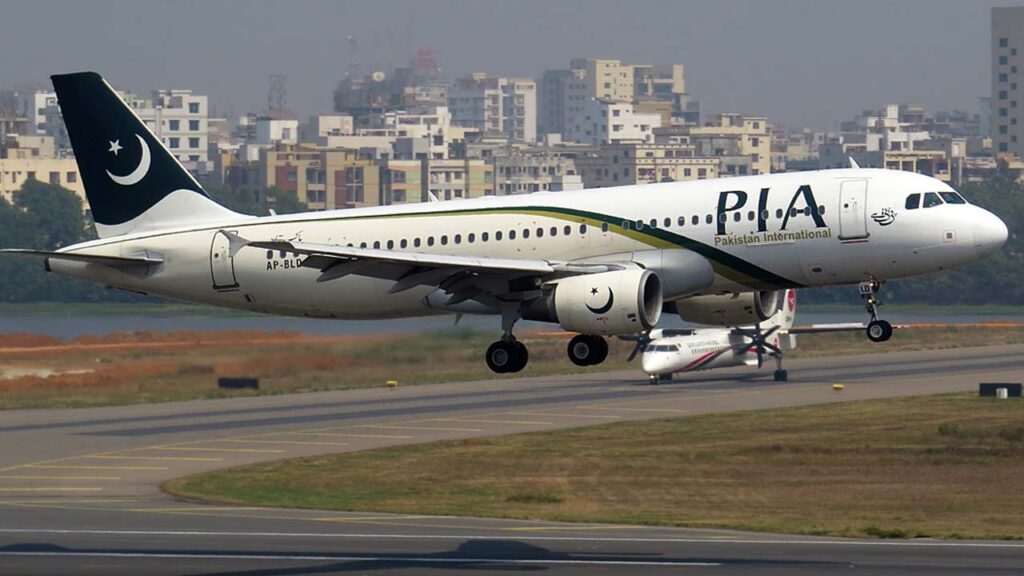
ISLAMABAD: In a significant development, the Privatisation Commission (PC) board granted approval to the transaction structure for the sale of a minimum 51 per cent stake in Pakistan International Airlines (PIA) on Tuesday. This decision followed the cleansing of PIA’s balance sheet, where nearly three-quarters of the Rs 825 billion liabilities were transferred to a newly formed company, Express Tribune reported on Wednesday.
During the reconvened board meeting, officials from the privatisation ministry indicated that the board, by and large, endorsed the “legal segregation” of PIA into categories of good and bad, and subsequently approved the transaction structure. Notably, the financial advisors’ report, lacking the valuation of assets, was submitted, marking a departure from past transparency practices.
PM Kakar pushes for swift and transparent privatisation of PIA
Contrary to customary procedures, the PC refrained from issuing a press statement post the board meeting, which had previously remained inconclusive due to the absence of at least three members. Chaired by Privatisation Minister Fawad Hasan Fawad, the meeting focused on the proposal presented by the Ernst and Young-led consortium, outlining the transaction structure aiming to sell the majority of PIA’s shares and bifurcate its assets and liabilities.
However, obstacles emerged concerning the sale of majority stakes to foreign buyers due to legal constraints posed by the Pakistan Civil Aviation Authority Act, Air Service Agreements, and National Aviation Policy, as per government sources. The board recommended selling at least 51 per cent stakes, suggesting a solution wherein foreign buyers must have a local partner to overcome legal hurdles.
Amid recent discussions, the privatisation minister hinted at the possibility of a government-to-government deal for PIA. The privatisation ministry has received noteworthy support from the interim government, facilitating the process through a Presidential Ordinance and new rules transition.
Yet, discrepancies persist between the finance and privatisation ministries regarding the fate of the Rs 281 billion bank debt and the associated interest rates in case of a five-year payment freeze. Following board approval, the matter will now proceed to the Cabinet Committee on Privatisation, led by Fawad Hasan Fawad, and subsequently to the caretaker cabinet upon approval.
The advisors’ report on PIA, known as the Avion project, remains incomplete due to the pending valuation of assets, including local and international routes. The deadline for asset valuation is set for the third week of January.
Proposals from financial advisors suggest that new buyers should have the right to terminate employees after one year, with a suggestion to extend the retrenchment period to three years. The non-core assets and liabilities are slated to be retained in a holding company, making the federal government responsible for servicing and repaying debts.
Global tech giants to establish regional HQs in Riyadh
PIA’s total liabilities, estimated at Rs 825 billion, propose transferring around Rs 640 billion to a new holding company, covering the federal government’s debt and commercial bank debt. Additionally, Rs 140 billion payables of Pakistan State Oil and the Civil Aviation Authority are suggested to be included in the new holding company, along with retaining PIA’s properties and foreign hotels.
Core assets for sale include basic engineering services and international routes, with financial advisors recommending retaining $88 million along with lease agreements as part of the core assets. The Rs 83 billion payments to aircraft lessors are proposed to be covered by the federal government.
Disagreements persist between the finance and privatisation ministries over the treatment of the Rs 281 billion commercial banks’ debt, despite multiple meetings on the subject. The projected inflows to finance the over Rs 600 billion debt in the holding company are deemed insufficient, raising concerns about the burden falling on the finance ministry.
You May Also Like