- Web Desk
- Mar 24, 2026
Scorching temperatures ahead: Karachi residents warned
-

- Web Desk
- Apr 03, 2025
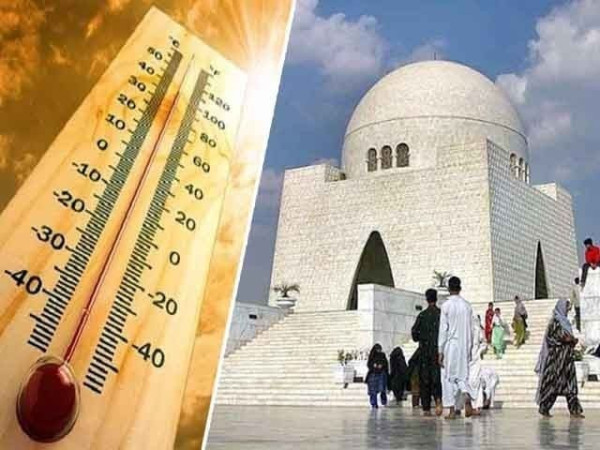
KARACHI: The temperature in Karachi is expected to rise further over the next two days, with the mercury likely to hover between 37°C and 39°C on Friday and Saturday, according to the Pakistan Meteorological Department (PMD).
The Met Office stated that hot and dry northwesterly winds may persist during the day, while sea breezes are expected to return in the evening.
On Tuesday, Karachi endured intense heat, with the temperature soaring to 38.1°C. Humidity stood at 53 per cent, accompanied by light winds from the north.
The latest forecast follows a warning by Chief Meteorologist Muhammad Afzal, who recently cautioned about a significant rise in temperatures nationwide in the coming months.
He emphasized that urban areas, including Karachi, would be particularly vulnerable to heatwave conditions due to the urban heat island effect, which could also intensify drought risks.
Afzal further noted that most parts of Pakistan will experience temperatures 2°C to 3°C above normal, while Karachi could see an increase of 3°C to 4°C, adding to public discomfort.
The PMD has advised residents to stay hydrated, avoid outdoor activities during peak hours, and conserve water to mitigate the impact of heat and water stress.
TEMPERATURES IN PUNJAB
Temperatures continue to rise across Punjab, with the Pakistan Meteorological Department (PMD) predicting persistent hot and dry weather in the region.
According to the Met Office, Lahore and other parts of Punjab are experiencing intensifying heat due to dry conditions. The increasing temperatures have led to a surge in the use of fans and air conditioners in homes and offices.
In Lahore, the minimum temperature is expected to be 19°C, while the maximum may reach 34°C. However, the PMD has ruled out any chances of rain in the next two to three days, meaning the hot spell will persist.
The PMD has advised residents to stay hydrated, avoid outdoor activities during peak hours, and conserve water to mitigate the impact of heat and water stress.
You May Also Like