- Web Desk
- Jan 12, 2026
Lead hazard crisis: Pakistan cuts toxic paint but urgent action needed
-

- Web Desk
- Dec 05, 2025
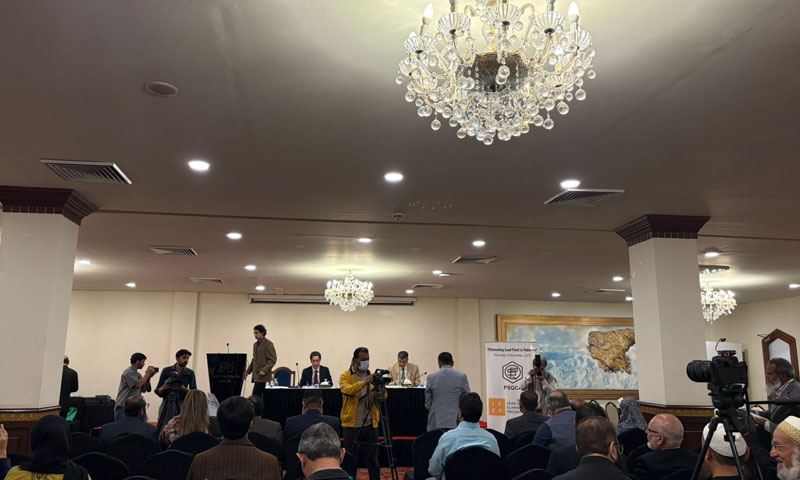
KARACHI: Dangerous lead paint sold for home use in Pakistan has dropped by more than half, a new study shows, marking a significant step forward in efforts to curb lead poisoning. However, hazardous paints remain available on the market, and experts said urgent action is still required to protect children.
The study, conducted by the Pakistan Standards and Quality Control Authority (PSQCA) and the Lead Exposure Elimination Project (LEEP) in consultation with the Pakistan Coating Association (PCA), reports substantial progress in reducing the availability of high-lead paints.
According to the findings, the market share of brands selling oil-based lead paint for home use fell from 88 per cent in 2021 to 41 per cent in 2024. The improvement follows coordinated efforts by PSQCA, PCA and LEEP after dangerous lead levels were first documented in 2021.
Despite the progress, 59 brands were still found producing paints with high lead concentrations.
A hidden poison in homes
Lead paint remains one of Pakistan’s most serious yet under-recognized health threats, particularly for children. Exposure can cause irreversible damage to cognitive development, harming learning ability, concentration and long-term earning potential. In adults, it contributes to hypertension and heart disease.
With an estimated 47 million children affected, Pakistan has the world’s second highest known level of childhood lead poisoning, costing the economy roughly $38 billion per year in lost future earnings.
Path to further progress
PSQCA continues to enforce the mandatory national limit of 90 parts per million (ppm), issuing notices and recalls to manufacturers that violate the standard. LEEP will continue offering technical support to help companies transition to lead-free formulations.
Dr Sayeda Zia Batool, Director General of PSQCA, said: “The PSQCA is firmly positioned to ensure nationwide compliance with mandatory standards that prohibit lead in paint above acceptable limits. The reduction highlighted in this study proves that progress is achievable through persistent regulation and industry cooperation. We call on all remaining manufacturers to immediately cease using lead-based raw materials and safeguard the population from this preventable harm.”
Hassam Ullah Khattak, Programme Manager at LEEP, said: “The PSQCA and paint industry leaders have made meaningful progress. Their efforts will protect Pakistan’s children, improve educational outcomes and contribute to the UN Sustainable Development Goals. We will continue supporting testing and monitoring and offer no-cost technical assistance to manufacturers seeking to remove lead from their paints.”
Iftikhar Bashir Chaudhry, Chairman of the Pakistan Coating Association, said:
“Alhamdulillah, Pakistan’s paint industry is committed to protecting children’s health. Both major manufacturers and SMEs are taking steps to eradicate lead in paint. Removing lead is technically and commercially feasible, and customers value our commitment to health and the environment.”
About the study
Between August and September 2024, PSQCA and LEEP—working with PCA—purchased 119 cans of home-use, solvent-based paint from retailers in Karachi, Sukkur, Quetta, Peshawar, Multan, Lahore, Rawalpindi and Islamabad. One or two colours were sampled from each brand, consistent with previous studies while adding new brands available in markets.
Additional samples were collected between October 2024 and September 2025 from manufacturers that had reformulated and redistributed solvent-based paints.
Dried samples were sent to three laboratories: PCSIR Lahore, the Industrial Analysis Center (IAC) at HEJ Karachi, and the Wisconsin Occupational Health Laboratory (WOHL), which is accredited under the US EPA’s Environmental Lead Laboratory Accreditation Program. WOHL analysed lead content using the NIOSH 7303 method, reporting results in parts per million (ppm) by dry weight.
You May Also Like