- Web
- Mar 30, 2026
Immunotherapy approach offers hope against brain cancer
-

- Hum News
- Aug 18, 2023
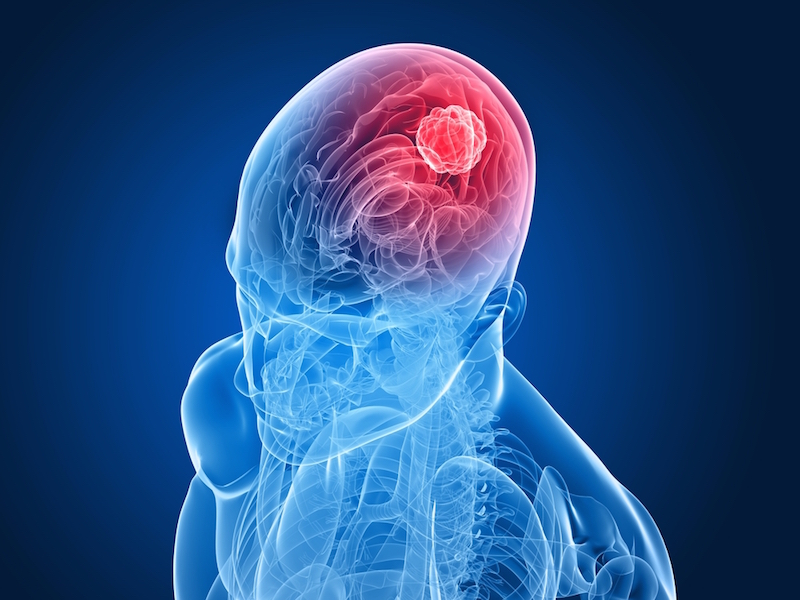
CALIFORNIA: Scientists at the Salk Institute have made a significant breakthrough in the fight against glioblastoma, a deadly and often untreatable form of brain cancer.
The team, led by Professor Susan Kaech, explored the use of immunotherapy to combat glioblastoma in mice, yielding promising results that could revolutionize cancer treatment.
Glioblastoma is a notoriously challenging brain tumor, and conventional treatments have limited success. However, the researchers discovered that immunotherapy, which harnesses the body’s immune system to target cancer cells, showed potential in overcoming the tumor’s evasive mechanisms.
The study focused on an immunotherapy drug called anti-CTLA-4, combined with specialized immune cells known as CD4+ T cells and microglia. The team observed that CD4+ T cells, when activated by anti-CTLA-4, secreted a protein called interferon-gamma. This protein triggered the tumor cells to release “stress flags,” signaling microglia, immune cells adapted for the brain environment, to attack and consume the stressed tumor cells.
Cancer diagnosis rates are going up in younger adults
Remarkably, this process created a cycle where each consumed cell led to the release of more interferon-gamma, intensifying the immune response until the entire tumor was consumed. This discovery could potentially open new avenues for effective glioblastoma treatment.
Professor Susan Kaech emphasized the significance of the findings, stating, “We’re extremely excited to find an immunotherapy regimen that uses the mouse’s own immune cells to fight the brain cancer and leads to considerable shrinkage, and in some cases elimination, of the tumor.”
While the study was conducted in mice, the next steps involve exploring whether this promising mechanism exists in human glioblastoma cases and further investigating diverse subtypes of the disease. This breakthrough offers hope for a transformative approach to combatting glioblastoma and other challenging cancers.
You May Also Like

- Web
- Mar 09, 2026
Anthropic sues Pentagon over AI restrictions


- Web Desk
- Feb 16, 2026
X service restored after global disruption
