
- Web
- Mar 18, 2026
Ishiba’s resignation plunges Japan back into political uncertainty
-

- Reuters
- Sep 08, 2025
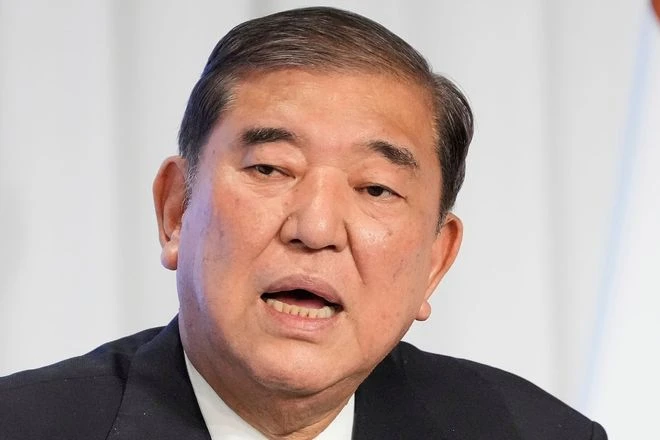
Japanese Prime Minister Shigeru Ishiba has announced his resignation after weeks of mounting pressure from within the ruling Liberal Democratic Party (LDP), stepping down less than a year into his tenure. His exit once again throws Japan into political flux, reviving memories of the revolving-door leadership that plagued the country during the 1990s and 2000s before Shinzo Abe restored a degree of stability in 2012.
Ishiba’s resignation leaves his party facing a daunting task: regaining the trust of an electorate weary of scandals, factional battles, and a political system long dominated by one party.
Why did Ishiba step down?
Ishiba became prime minister last September following Fumio Kishida’s resignation amid a wave of controversies. Kishida was brought down by revelations of the LDP’s close ties with the Unification Church, an organisation thrust into the spotlight after Abe’s assassination in 2022 by a gunman who harboured resentment against it. A subsequent slush-fund scandal deepened public disillusionment.
Ishiba initially positioned himself as a reformist, pledging tighter accountability and transparency. But his determination to confront entrenched interests angered senior party figures implicated in those very scandals.
The political damage soon became evident. The LDP lost its majority in the lower house soon after Ishiba took office, then suffered further losses in the July upper-house election. Party heavyweights warned that Ishiba’s persistence risked splitting the conservative base.
Japan: Man targets ruling party headquarters with firebombs
Over the weekend, Ishiba conceded, saying that prolonging the standoff would create a dangerous vacuum during sensitive trade talks with the United States. With a deal on tariff reductions concluded last week, he chose to bow out rather than dissolve parliament, a tactic often used by Japanese premiers to silence rivals.
Paradoxically, Ishiba’s approval ratings among the public had begun to edge upward, suggesting voters were warming to his reformist stance. Yet his downfall underscores the enduring grip of the LDP’s old guard, who prioritised internal cohesion over electoral momentum.
Who could replace him?
Attention now turns to the upcoming LDP leadership race, expected in early October. Two frontrunners have already emerged: Shinjiro Koizumi and Sanae Takaichi.
Koizumi, 44, is the son of former prime minister Junichiro Koizumi and represents the party’s more liberal wing. As agriculture minister under Ishiba, he gained visibility by tackling rising rice prices and advocating reforms in a sector long shaped by LDP patronage. He has also expressed support for same-sex marriage and allowing married couples to retain separate surname, stances unusual in the conservative party. Charismatic and popular with younger voters, Koizumi has cultivated ties with the opposition Japan Restoration Party, which could prove vital if the LDP seeks a broader coalition. If elected, he would become Japan’s youngest prime minister.
On the opposite end of the spectrum stands Sanae Takaichi, a staunch conservative and runner-up in last year’s leadership contest. A self-styled disciple of Shinzo Abe, she opposes same-sex marriage, advocates constitutional revisions to strengthen Japan’s Self-Defense Forces, and emphasises bolstering the country’s military posture. Domestically, she has called for bold fiscal spending and monetary easing, likening her approach to Margaret Thatcher’s brand of conservatism. If successful, she would make history as Japan’s first female prime minister, though her hardline views could strain relations with coalition partner Komeito.
What US-Japan defense shakeup involves and why
Polls suggest a tight race. A TBS survey this week put both candidates at 19.3% support, while a Nikkei poll gave Takaichi a narrow edge at 23%, just one point ahead of Koizumi. Other figures, such as Chief Cabinet Secretary Yoshimasa Hayashi, may also enter the race, depending on the nomination process. Candidates need backing from at least 20 Diet members to qualify.
What’s at stake?
Ishiba’s exit casts doubt on prospects for reform within the LDP. If his successor cannot restore public faith, the party risks further erosion of support, not just to traditional rivals but also to newer right-wing populist challengers such as Sanseito, which has gained traction with anti-foreigner rhetoric.
Japan’s next general elections are not scheduled until 2028, but the leadership change will determine whether the LDP can project stability or stumble into renewed turmoil. The choice between Koizumi and Takaichi embodies more than a contest of personalities: it reflects a battle over the party’s future direction, and whether Japan’s dominant political force can still reinvent itself for an increasingly sceptical electorate.
You May Also Like