- Web
- Mar 18, 2026
Syria suffers spillover of military escalation in Middle East: analyst
-

- Reuters
- Apr 21, 2024
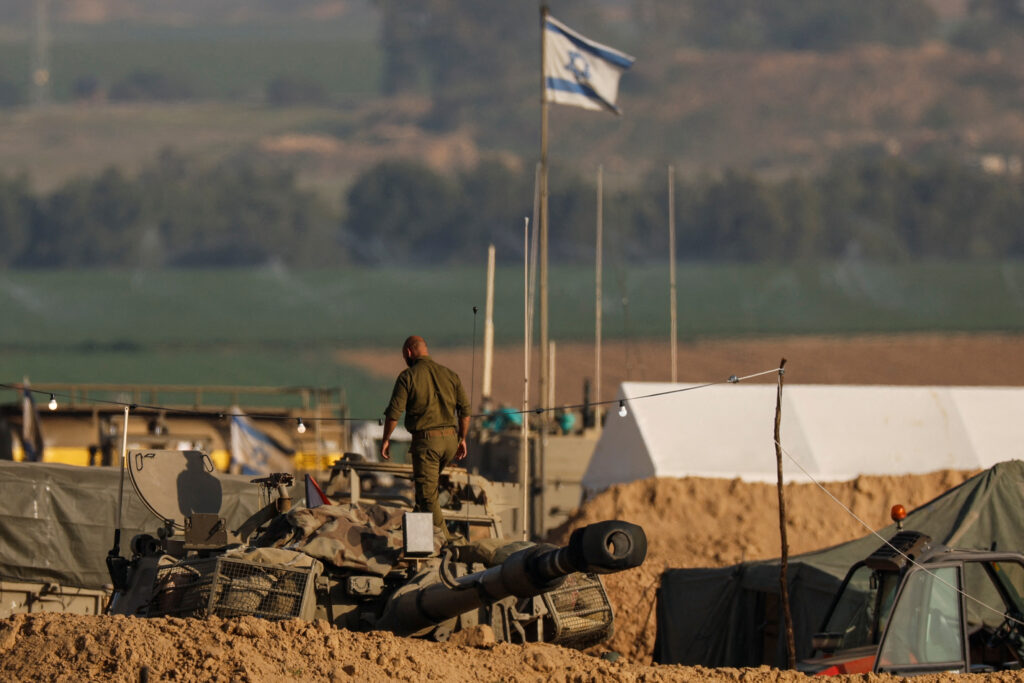
DAMASCUS: The escalating conflict between Israel and Hamas is spilling into Syria, fueled by growing instability, violence and an absence of substantial progress toward a political solution to the conflict, said a Syrian political analyst.
Late on April 13, Iran launched about 350 drones and missiles in response to the killing of seven Iranians, including two veteran commanders, by Israeli strikes on the consular section of the Iranian embassy in Syria on April 1.
US House passes aid package for Ukraine; Israel; Protests erupt outside capitol
Then, explosions were heard early Friday near the Iranian city of Isfahan in an apparent Israeli strike, less than a week after Iran’s barrage of missiles and drones in its first direct attack on Israeli territory.
Also in the early hours of Friday, the Israeli military launched a series of airstrikes targeting Syrian air defense sites in the southern region, according to the Syrian Defense Ministry.
In an interview with China Central Television, Tarek Alabed, the Syrian political analyst, said he believes that the current tension between Iran and Israel comes from “further spillover” of the conflict in the war-torn Gaza Strip. He pointed out that if a ceasefire cannot be achieved in the Palestinian enclave, geopolitical tensions in the Middle East are likely to continue and may get even worse.
“I think tensions in the Middle East will continue. So far, the international community has failed to take measures to exert pressure on Israel and end the conflict in Gaza. On the contrary, Israel is still insisting on dragging the international community into the quagmire of conflict and war,” said Alabed.
US aid to Ukraine, Israel, Taiwan will deepen crises: Russian foreign ministry
Since the outbreak of the Syrian crisis in March 2011, Israel has launched hundreds of airstrikes against targets in Syria, specifically targeting Iranian military facilities and personnel present in the country. After a new round of large-scale conflict broke out between the Palestinians and Israel on Oct 7 last year, the frequency and intensity of such airstrikes continued unabated.
“Over the past six months, Syria has been subject to frequent Israeli attacks, with targets including Damascus International Airport, Aleppo International Airport, significant military installations, and even civilian facilities within the country. As a geopolitical hub, Syria has withstood these attacks. The country is also an important part in the resistance against Western allies, including Israel and the United States,” Alabed noted.
The political analyst added that since tensions between Iran and Israel intensified, Syria’s ground-to-air defense systems have been on high alert. Although the Syrian government currently controls about 70 percent of the country’s territory, several crucial strategic locations in the northeast and southeast regions remain under the control of the United States and the U.S. supported Syrian opposition forces. Given the current situation, the Syrian government may not directly enter a head-on conflict with Israel for the time being, he said.
Iran’s foreign minister downplays drone attack, says Tehran investigating
“Syria faces not only pressure from Israel, but also the United States, Türkiye, and various terrorist groups in northwest Syria. The existence of these forces has put tremendous pressure on the Syrian government. Before taking any military action, Syria needs to comprehensively consider the balance between strategy and interests, taking into account factors such as its own response capabilities and the impact of its attack on the enemy,” he said.
You May Also Like