- Web
- Mar 02, 2026
Trafficked wildlife finds safe haven at US zoos
-

- Web Desk
- Oct 31, 2023
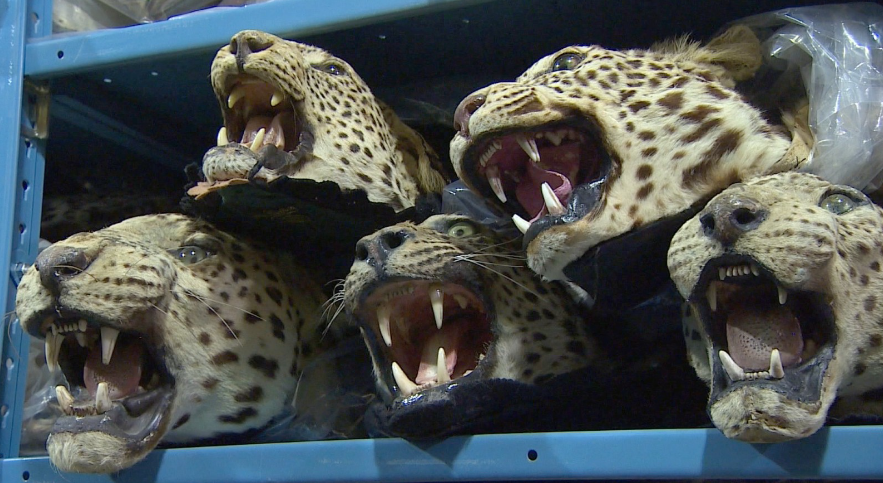
As part of a major effort to make sure animals caught up in the trade can survive and thrive, the US Fish and Wildlife Service has partnered with the Association of Zoos and Aquariums to launch a pilot project. It’s called the Wildlife Confiscations Network.
President and CEO of the Association of Zoos and Aquariums Dan Ashe said, “Wildlife trafficking is based in greed. It’s based in human need and greed. And these animals are being trafficked all around the world, basically for profit. And we’re seeing criminal syndicates who are developing around the trafficking of animals. And so it’s going to take, it takes a huge collaboration to deal with it.”
Matthew Perry’s ‘Friends’ co-stars pay tribute to fallen cast mate
The pilot launched last week in Southern California, which is considered an epicenter for trafficked wildlife.
The goal of the program is to create a group of trusted care facilities that can provide immediate care and housing for animals trafficked through the US, according to the Association of Zoos and Aquariums.
Between 2015 and 2019, the Fish and Wildlife Service had to find care and homes for nearly 50,000 trafficked animals linked to more than 800 criminal referrals. Speed is of the essence when live animals are refused clearance at ports.
They require urgent care from experts to survive… and to stop the spread of potential diseases.
Los Angeles Zoo Director of Conservation Dr. Jake Owens said, “Well, a lot of these animals that are coming over that we’re confiscating from individuals are in much worse conditions. You know, they’re in luggage suitcase that they’re maybe wrapped up in cellophane or in little tubes like toilet paper rolls. They’re packed into those, maybe with their mouths taped shut so that they can’t make noise. They have no food, they have no water for the duration of that flight. And you might be talking multiple flights to get to their end location here in the States. So these animals have been going through a really traumatic experience.”
Most confiscated animals will remain at zoos or aquariums, but some could be released back into the wild, depending on their condition.
“But we have to make sure the threats that exist in the wild, so you know, the traffickers, the people who are taking them from the wild in the first place, aren’t just going to take that animal again.”
You May Also Like