- Web
- Mar 18, 2026
US farm agency cancels food aid for children in poor countries
-

- Reuters
- May 22, 2025
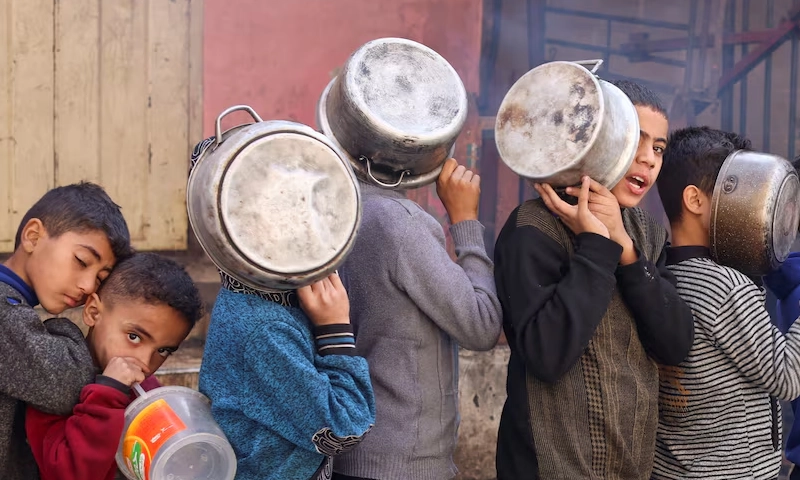
WASHINGTON: The US Department of Agriculture has terminated 17 projects under a foreign aid programme that funds school meals for children in low-income countries, according to an email sent from USDA to congressional staff.
The cuts to the McGovern-Dole Food for Education program are in addition to 27 projects cancelled last week under USDA’s Food for Progress aid programme, which sends US commodities abroad for economic development. Those cuts were previously reported by Reuters.
Read more: US aid cuts strain response to health crises worldwide: WHO
The terminations are another blow to US foreign aid initiatives as President Donald Trump slashes government spending, leaving food intended for aid programs to rot in warehouses. The moves have raised concerns about increased hunger abroad.
In all, 44 projects have been cancelled in countries including Honduras, Kyrgyzstan, Sierra Leone and Nepal. The projects are “not in alignment with the foreign assistance objectives of the Trump Administration,” said the email sent to congressional staff, which was seen by Reuters.
A USDA spokesperson said the programs were cancelled in accordance with a January 20 executive order on aligning foreign aid with US interests.
Department of Government Efficiency
Earlier, the White House and the Department of Government Efficiency had pressured the USDA to reduce spending on overseas programs, according to a source familiar with the situation. The White House did not immediately respond to a request for comment.
Read more: Trump tells USAID to put “America First” in reviewing foreign aid
Twelve of the cancelled McGovern-Dole projects are administered by the Catholic Relief Services, according to the email.
Haydee Diaz, CRS’s country representative in Honduras, said the group’s program there serves 97,000 children across more than 1,700 schools in rural municipalities where malnutrition and stunting – a condition where children’s growth is hindered due to a lack of adequate food – are serious issues.
The programme uses corn, rice, beans and a fortified soy blend from U.S. farmers for school meals that are prepared by 10,000 volunteers, Diaz said.
The aid can help reduce migration to the US because it provides parents the assurance their children will at least have one healthy meal per day in their home community, Diaz said.
“What we’ll see is more desperation, and more migration,” Diaz said.
DELIVERING COMMODITIES
US farmers have received payment for the donated commodities and grantees must deliver commodities to their final destinations, said the email to Congress.
Grantees were told by the USDA to dispose of their commodities within 30 days, according to another source familiar with the situation. That could mean giving the food away, or destroying it, the source said.
Diaz said her program aims to distribute as much of the aid as it can in the short window.
Despite the cuts, the USDA is still administering 14 remaining Food for Progress projects in 17 countries and 30 McGovern-Dole projects in 22 countries, the email said.
The agency has also published a funding notice for next year’s McGovern-Dole program and is finalizing the funding notice for Food for Progress, the email said.
McGovern-Dole fed 2.5 million food-insecure children in 2023, according to a program report to Congress. McGovern-Dole awards totalled $248 million and sent more than 37,000 metric tonnes of US commodities abroad.
You May Also Like