- Web
- Mar 18, 2026
US says tariff deadline intact, but report suggests China-US pause
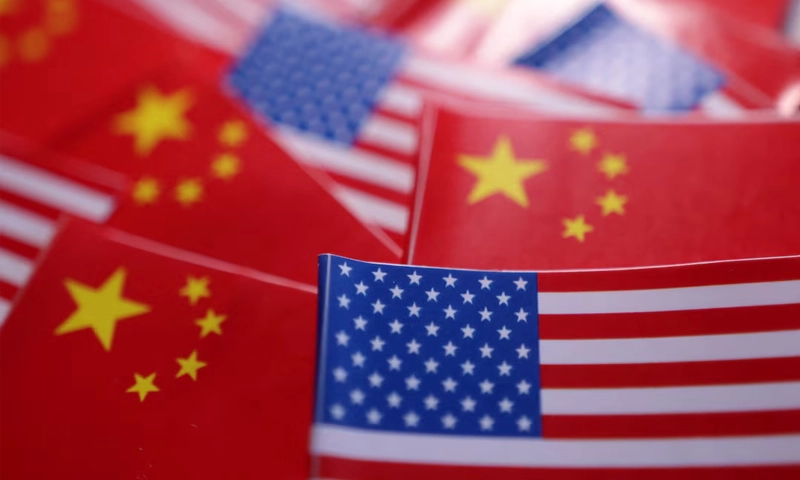
HONG KONG/WASHINGTON: Beijing and Washington are expected to extend their tariff truce by another three months at trade talks in Stockholm beginning on Monday, the South China Morning Post (SCMP) reported on Sunday citing people familiar with the matter.
On the other hand, Commerce Secretary Howard Lutnick, AFP reported, said Sunday the US deadline of August 1 for imposing tariffs on its trading partners is firm and there will be no extensions.
Read more: Trump admin not rushing trade deals, will talk with China: Bessent
“So no extensions, no more grace periods. August 1, the tariffs are set. They’ll go into place. Customs will start collecting the money, and off we go,” Lutnick told “Fox News Sunday.”
After the levies kick in, President Donald Trump — who was negotiating Sunday in Scotland with European Union officials — is still willing to keep talking, Lutnick said.
This statement again clearly suggests that the Trump administration is focused on extracting more and more concessions from its trading partners — allies [EU] and rivals [China] alike.
Of the Europeans, Lutnick said, “You know they’re hoping they make a deal, and it’s up to President Trump, who’s the leader of this negotiating table. We set the table.”
So far five countries have struck deals with the Trump administration ahead of the Friday deadline as it tries to overhaul the global system of largely free trade by slapping tariffs on countries that the United States deems as engaging in unfair practices.
These five are Britain, Vietnam, Indonesia the Philippines, and Japan.
The levies they accepted are often higher than the new base rate of 10 percent that the United States has applied to most countries since April.
But they are far below the levels the Trump administration threatened to impose if no deal were reached.
TRUMP-EU PUZZLE
The report about another 90-day tariff pause in the case of China and US came, as Trump and EU chief Ursula von der Leyen are set for make-or-break talks in Scotland on Sunday, aimed at ending a months-long transatlantic trade standoff, as negotiations went down to the wire.
Read more: EU chief to meet Trump who sees 50-50 chance of trade deal
Trump has said he sees a one-in-two chance of a deal with the European Union, which faces an across-the-board US levy of 30 per cent unless it strikes a trade pact by August 1 — with Washington warning Sunday there would be “no extensions.”
Von der Leyen’s European Commission, negotiating on behalf of EU countries, is pushing hard for a deal to salvage a trading relationship worth an annual $1.9 trillion in goods and services.
Meanwhile, the ongoing trade war means the political upheavals and the responses around the globe too aren’t not immune to the Trump tariffs and their possible effects, thus reducing the ability to maneuver for the nations like those in Europe.
Read more: Saudi Arabia says two-state solution to bring peace, stability
That’s why France is unable so far to get any support from the likes of Germany, Canada and the UK on the issue of recognising the Palestinian state.
However, Turkiye President Recep Tayyip Erdogan has welcomed the bold initiative taken by French President Emmanuel Macron, despite his long-standing policy differences with France,
TARIFF TALKS AS TRUMP GOLFS
According to an EU diplomat briefed ahead of the meeting, set for 4:30 pm (1530 GMT), the contours of a deal are in place after talks went late into Saturday night — but key issues still need settling as tariff deadline looms.
The Trump-von der Leyen meeting was taking place in Turnberry on Scotland’s southwestern coast, where the president owns a luxury golf resort. He was out on the course for much of the weekend.
But of course the final word lies with Trump.
“A political deal is on the table — but it needs the sign-off from Trump, who wants to negotiate this down to the very last moment,” the diplomat told AFP.
The proposal, they said, involves a baseline levy of around 15 per cent on EU exports to the United States — the level secured by Japan — with carve-outs for critical sectors including aircraft and spirits, though not for wine.
Any deal will need to be approved by EU member states — whose ambassadors, on a visit to Greenland, were updated by the commission Sunday morning, and would meet again after any accord.
According to the EU diplomat, the 27 countries broadly endorsed the deal as envisaged — while recalling their negotiating red lines.
You May Also Like