- Web
- Feb 05, 2026
IMF asks Pakistan to stop offering investment perks for new industrial zones
-

- Web Desk
- Oct 12, 2024
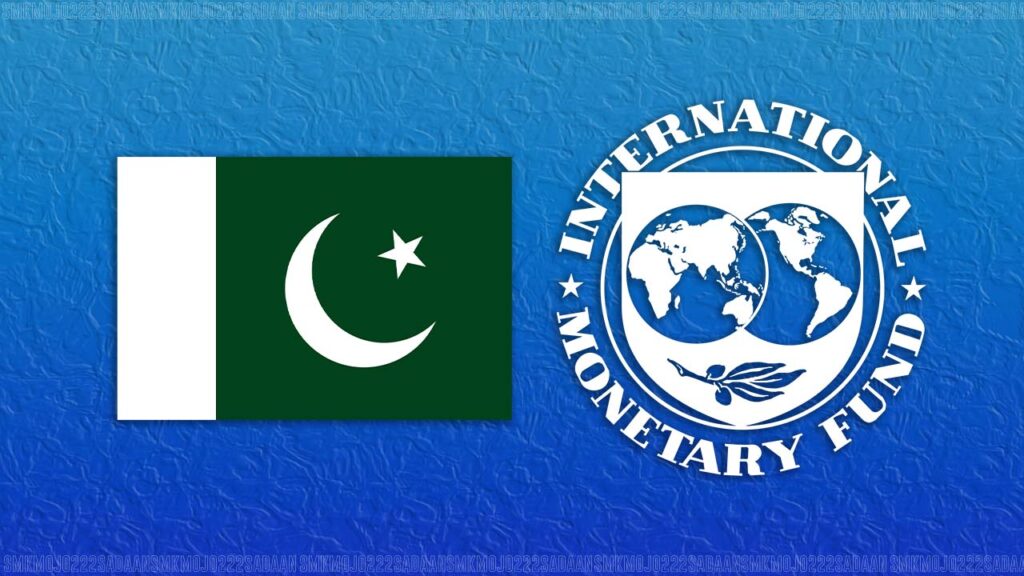
ISLAMABAD: The International Monetary Fund (IMF) has advised Pakistan to halt the creation of industrial zones that offer incentives for investment, a move that could disrupt Islamabad’s plans to attract more Chinese industries.
According to an IMF report released on October 10, the authorities should avoid providing tax breaks, subsidies, or other incentives to new or existing special economic zones (SEZs). The goal, the IMF said, is to create a fair and equal playing field for all businesses, without giving unfair advantages to specific sectors.
This comes at a time when Prime Minister Shehbaz Sharif is actively encouraging Chinese companies to relocate more of their operations to Pakistan. These efforts are part of the China-Pakistan Economic Corridor (CPEC), which aims to boost industrial growth in the country.
Pakistan had originally planned to develop at least nine special economic zones under CPEC, with some already under construction. However, the IMF’s recommendation may complicate these plans, especially as it highlights the need to strengthen Pakistan’s tax base rather than undermining it through concessions.
Nathan Porter, the IMF’s mission chief for Pakistan, pointed out that Pakistan has been offering protection and concessions to industries that have low productivity. He believes that this approach is one reason why Pakistan’s economic growth has lagged behind that of its regional neighbours.
One of the projects likely to be affected by this IMF directive is a new export processing zone set to be built at the Pakistan Steel Mills site in Karachi, the country’s commercial hub.
According to Mettis Global, despite securing a $7 billion loan from the IMF, Pakistan’s government has been pushing to attract about 100 major Chinese companies to invest in the country’s textile parks, with projects expected to begin later this year in Sindh and Punjab provinces. In the past, the government had lured investors with special incentives, such as tax exemptions and customs duty waivers on imported goods.
While China has heavily invested in infrastructure and energy projects in Pakistan as part of its Belt and Road Initiative, this development has also contributed to Pakistan’s growing debt burden. The new IMF recommendations may force a rethink in how Pakistan moves forward with these plans.
Read next: Petrol and diesel prices expected to increase next week in Pakistan
You May Also Like