
- Reuters
- September 13, 2026
CDA demolition drive in Islamabad — roofs can vanish overnight in katchi abadis
-

- Zoya Anwer
- April 18, 2026
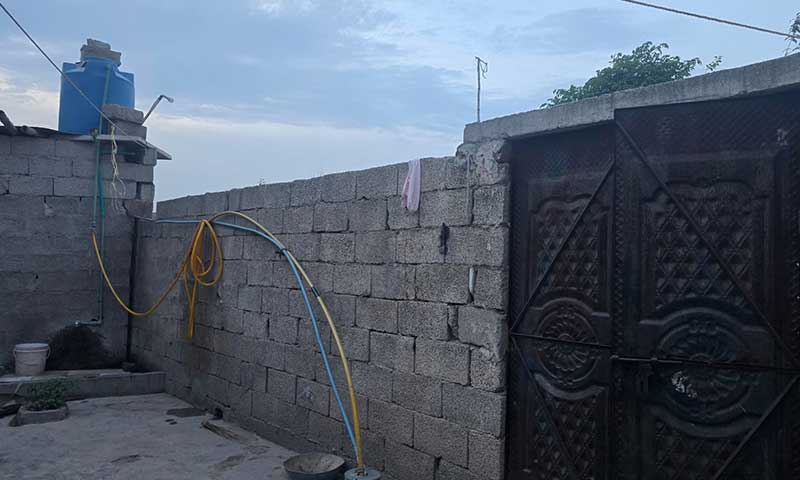
Looking at the house she built three years ago, Shamshad struggles to find the words. The recent demolitions by the Capital Development Authority (CDA) in settlements near Bari Imam have left her shaken, and four days ago, the fear arrived at her doorstep too.
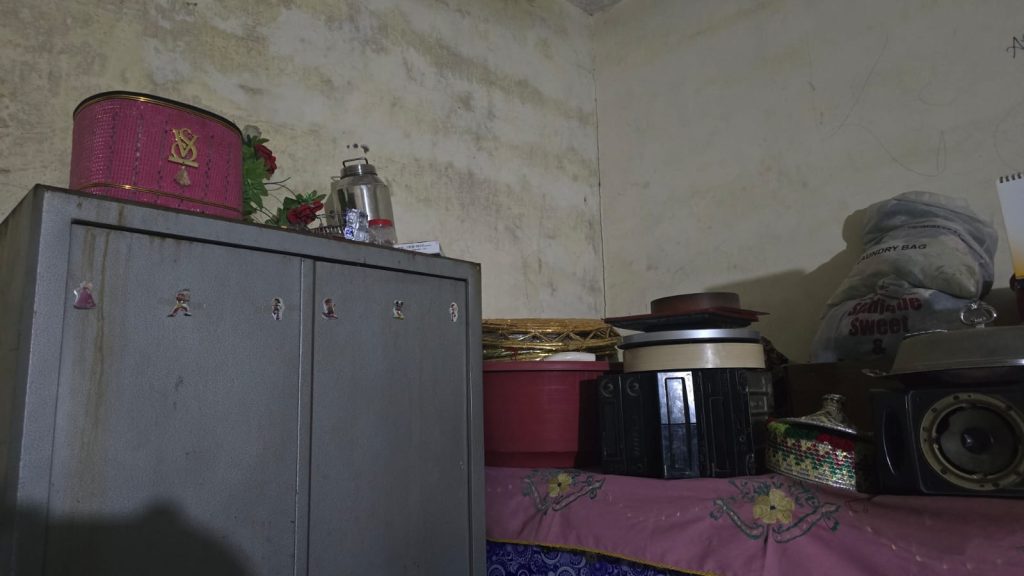
She lives near Golra Sharif in a small two-room home with seven family members. There is a makeshift kitchenette, and sacks of cement still lying around for the kitchen she had hoped to build. Now they remain untouched, as if fear arrived before the walls could.
“They told us to pack everything and go elsewhere because they will tear our houses down,” she says, wiping away tears.
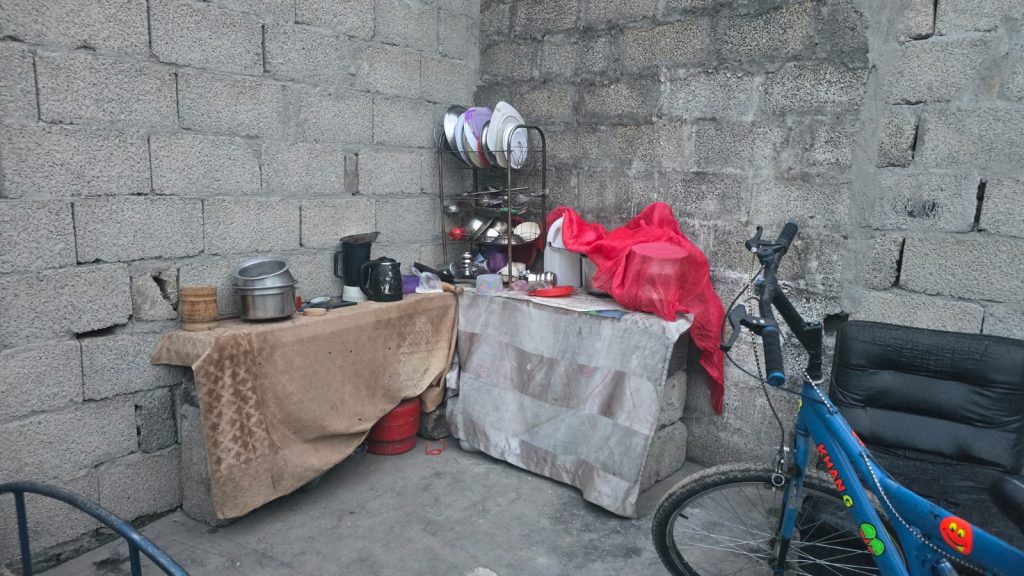
Shamshad came to Islamabad from a village in south Punjab in 2011, after her husband fell seriously ill and she had no choice but to start earning. She has worked as a house help for the past fifteen years. For years, she lived in rented spaces. But when her daughters grew older, a home of her own began to feel less like a dream and more like a necessity: “I don’t want to leave my daughters behind with someone showing up to demand rent, we know how unsafe it can be for young girls.”
The last time she was told the house would be demolished, she says, was when it was still being built.
“They told me then too that whatever I had made would be razed. Then there were talks, we all gave a small sum, and they never came back. Until now,” she says. “Sometimes I feel I will collapse from the anxiety before my roof does.”
Shamshad is one among hundreds who live in what can only be called the other Islamabad, the one that cooks, cleans, carries, serves and delivers, yet is always one notice away from being told it does not belong. Many in these settlements came from Punjab and Khyber Pakhtunkhwa in search of work and stayed back to build lives that were never secure, only tolerated.
“In Bari Imam, people have been living there from before Islamabad even existed,” she says. “If they have not been spared, then they will not spare us either.”
She clutches an IESCO bill in her hand, the meter installed at a cost that is no small thing for someone like her. “Sometimes I feel we do not age naturally,” she says. “These moments suddenly add years to us. You are always thinking about survival.”
She is still repaying the loan she took to build the house. Now she is thinking of taking on more work after 6pm too, just to keep things going.
“I want my children to have a good future and go to proper schools,” she says. “But at the same time, I am here wondering whether we will even have a roof over our heads.”
What happened in Noorpur Shahan this week was not separate from that fear. It was what happens when dread, uncertainty and dispossession finally harden into confrontation.
When demolitions turn into confrontation
What began as an anti-encroachment operation in Islamabad’s Noorpur Shahan quickly turned into a flashpoint, exposing the tensions between state power and long-settled communities that have long lived under the threat of erasure.
On April 15, CDA teams backed by heavy machinery entered Noori Bagh Mohallah to begin demolitions. Within hours, the operation ran into fierce resistance. Residents, including women and children, gathered in large numbers, pelting stones and forcing officials to retreat.
Police later returned with reinforcements, and the standoff spiralled into clashes marked by tear gas, baton charges and scenes of panic. By the end of the day, at least eight policemen and dozens of residents had been injured, while two official vehicles were set ablaze. Villagers alleged excessive force, including pellet firing, claims authorities have not confirmed.
The operation resumed the next day under heavy security. Nearly 200 more houses were demolished, while police registered cases against around 350 individuals under a range of serious charges, including provisions of the Anti-Terrorism Act. Authorities allege petrol bombs and firearms were used during the clashes, an account residents strongly dispute.
But the confrontation in Noorpur Shahan did not emerge in isolation. It sits inside a much larger drive that has already seen more than 13,000 homes demolished in recent weeks, with thousands more marked for removal.
A community on the edge
For many residents, this is not simply about structures being torn down. It is about memory, labour and belonging. Families say they have lived in these areas for decades, some even tracing their roots back centuries. What they see now is not just demolition, but displacement without compensation, without rehabilitation and without any real place to go.
The CDA, for its part, maintains that the land was legally acquired and forms part of Islamabad’s master plan. Officials say the courts have upheld that position and insist there is no obligation to rehabilitate those affected.
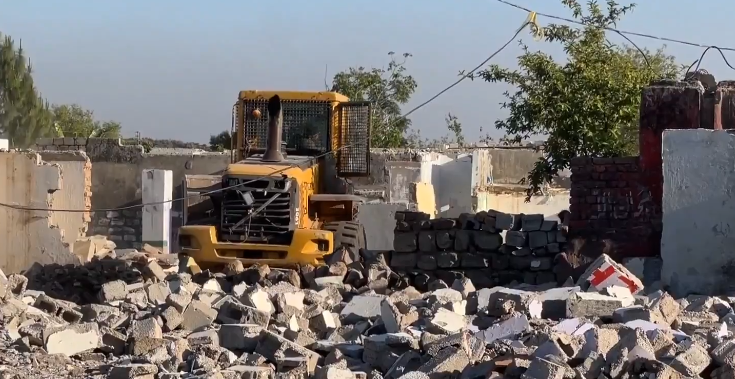
And so the argument continues in the language of legality, planning and encroachment, while on the ground it takes the form of broken walls, packed belongings and families trying to guess how much time they have left.
As bulldozers move through these settlements, Noorpur Shahan has become more than just the site of another demolition. It has become a question hanging over the capital itself: who gets to belong in this city, and who is only ever allowed to service it?
A system under scrutiny
For sociologist, academic and Awami Workers Party (AWP) representative Dr Aasim Sajjad, the demolitions in Noorpur Shahan point to something far deeper than a dispute over land. They reveal the structure of a city governed with little democratic oversight, where entire communities can be rendered invisible until the bulldozers arrive.
“The CDA is probably the only development authority in this country that operates without any kind of democratic oversight,” he said, noting that it is run by unelected bureaucrats answerable only to the Interior Ministry. With Islamabad having had local body elections only once, he argued, public accountability has remained weak to the point of near absence.
He said the problem is compounded by the lack of a clear legal framework for katchi abadis and long-settled villages in the capital. Unlike other cities governed under provincial laws, Islamabad exists in a legal grey zone that allows authorities to act with sweeping discretion.
“That allows them to be completely arbitrary,” he said.
Sajjad also referred to a Supreme Court case filed in 2015, saying that despite stay orders and repeated directions to halt evictions and develop a regulatory framework, the CDA has continued with demolitions. In his view, the authority has moved backwards, especially with its refusal to recognise settlements established after 2002, despite the city’s steady growth since then.
He estimated that around 500,000 people live in Islamabad’s informal settlements, effectively leaving a vast population one notice away from illegality.
There may be court orders and legal challenges, he said, but little by way of actual accountability. And past experience offers little comfort. Communities displaced during earlier demolitions, including the 2015 I-11 eviction, were never meaningfully compensated.
Federal Constitutional Court gives CDA final deadline on katchi abadi policy
For years, Islamabad’s katchi abadis have existed in a state of uncertainty, acknowledged in policy, yet vulnerable on the ground. That fragile balance came into sharp focus this week as the Federal Constitutional Court gave the Capital Development Authority (CDA) four weeks to finally put forward a concrete plan to regularise informal settlements in the capital.
Heading the bench, Chief Justice Ameenuddin Khan made it clear that the court’s patience was wearing thin, calling this a “final opportunity” for the civic body to deliver what has long remained unfinished business. Alongside him, Justice Arshad Hussain Shah echoed concerns that while policies have come and gone, implementation has lagged behind.
Inside the courtroom, the conversation turned to a familiar paradox: katchi abadis have been recognised in successive housing policies since 1995, yet their residents continue to face eviction threats. Representing the petitioners, lawyer Faisal Siddiqi framed the issue not as a plea for compassion, but as a question of rights long deferred.
On the other side, state representatives pointed to the capital’s original master plan, which made no provision for informal settlements. Over time, they argued, the reality on the ground forced a shift in policy thinking, but translating that recognition into action has proven difficult.
CDA officials cited familiar hurdles: swelling populations, contested land use, and administrative disruptions. Today, more than 400,000 people are estimated to be living in such settlements across Islamabad, their futures tied to decisions that remain pending.
The court, however, appeared unconvinced by explanations of delay. Its observations suggested that the real challenge lies not in designing policies, but in enforcing them.
As the hearing was adjourned, the four-week deadline now carries more than procedural weight.
For now, legal efforts continue, but so does the demolition drive.
For people like Shamshad, the matter is not only about encroachment, legality or the master plan. It is about something more basic and more brutal: whether the people who build the city, clean it and keep it running will ever be allowed a secure place in it.
Despite repeated attempts, CDA is yet to answer the queries.
You May Also Like


- WEB DESK
- September 13, 2026
Scotland, Wales and Northern Ireland unite over independence push

- Reuters
- September 13, 2026
Trump says he would ‘love’ to see a united Ireland

- Reuters
- September 13, 2026