- Farah Mehjabeen
- October 26, 2026
Chief ministers call for sweeping prison reforms, protection of inmates’ rights
-

- Sadiq Khan
- July 2, 2026
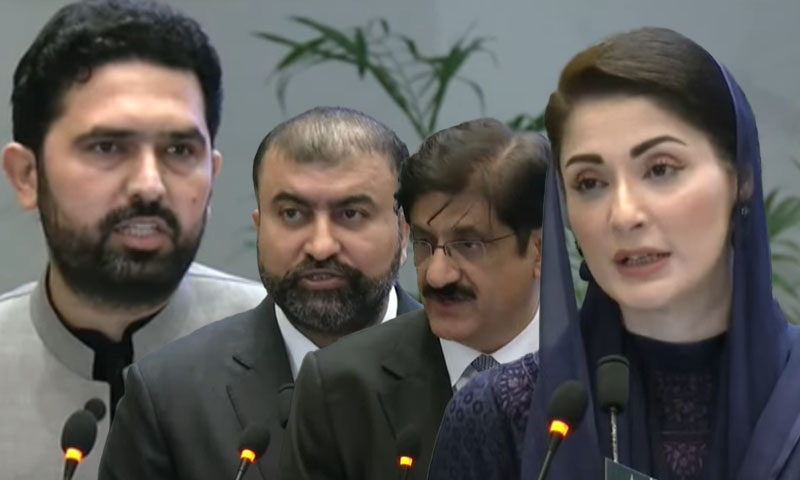
ISLAMABAD: Chief ministers from all provinces on Wednesday called for comprehensive prison reforms, stressing that protecting inmates’ rights, improving prison conditions and focusing on rehabilitation were essential to building a more transparent, humane and effective justice system.
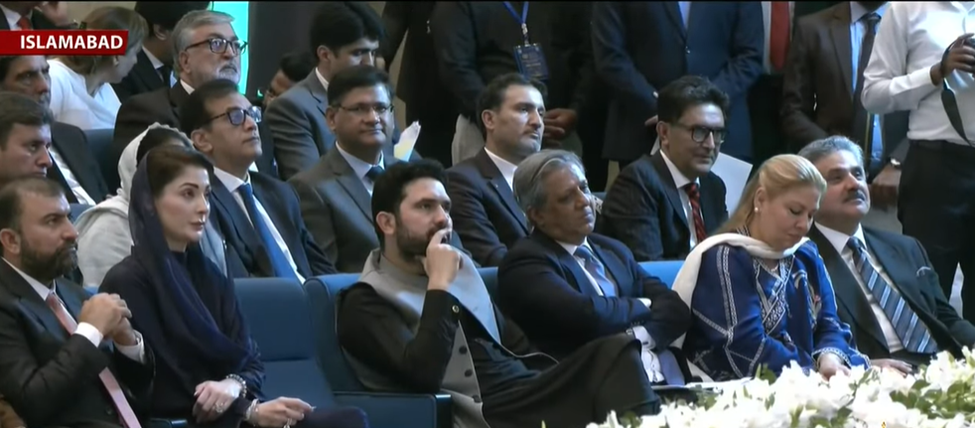
The joint stance was reflected in the Islamabad Declaration on Prison Reform, issued at the National Conference on Prison Reforms held at the Supreme Court of Pakistan Auditorium, where the provincial leaders reaffirmed their commitment to a coordinated national effort to overhaul prison systems and strengthen the criminal justice framework.
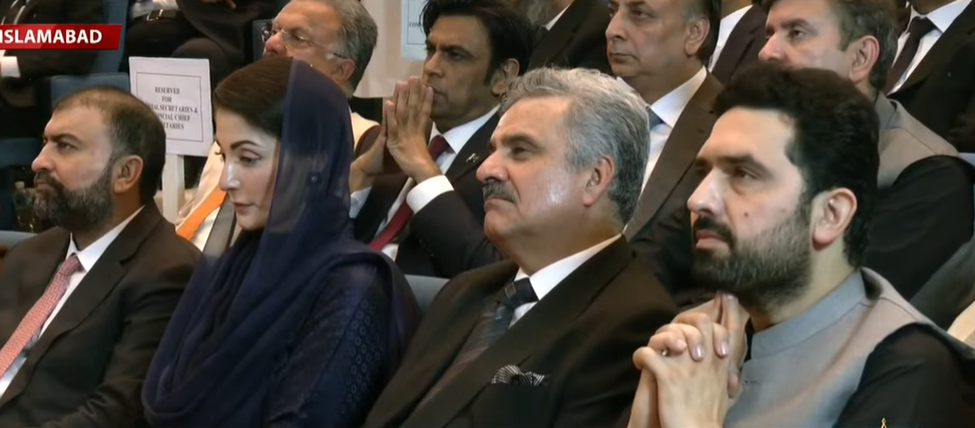
Speaking at the conference, Khyber Pakhtunkhwa Chief Minister Sohail Afridi said it was encouraging to see stakeholders gathered for a common cause. He said the provincial government was committed to protecting prisoners’ rights and implementing meaningful reforms in the prison system. Afridi said improving prison facilities and healthcare for inmates remained a priority, adding that prison reforms should equip prisoners with skills to help them become responsible and productive citizens after their release. He also said the provincial government was taking steps to maintain lasting peace in the province.
Balochistan Chief Minister Sarfraz Bugti said safeguarding prisoners’ rights was an integral part of the justice system and that prison reforms could make the system more transparent and effective. He said protecting inmates’ fundamental human rights was the state’s responsibility, adding that education, vocational training and psychological rehabilitation were essential to reintegrate prisoners into society as productive citizens.
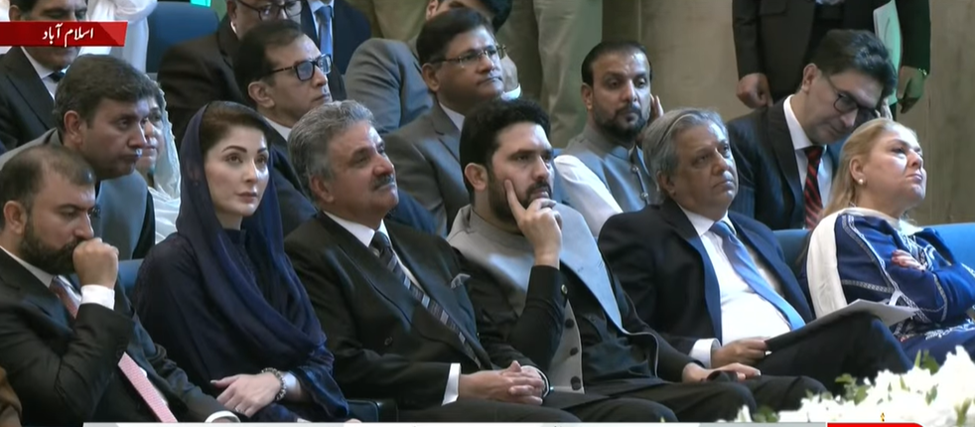
Punjab Chief Minister Maryam Nawaz reiterated her commitment to the rule of law, saying no one was above the law and that every citizen deserved transparent and effective justice. She said Punjab had introduced wide-ranging prison reforms, including video-link facilities, audio and video calling services for inmates and emergency panic buttons inside prisons to improve safety and welfare.
Maryam Nawaz said she did not wish to discuss politics at the forum, emphasising that the focus should remain on improving prison conditions and ensuring the dignity of inmates. Reflecting on her own experience of imprisonment, she said she understood the psychological impact of solitary confinement and the sense of helplessness prisoners often experience.
She also recalled being imprisoned in the same jail as her father and said she was unable to see her mother before her passing, saying those experiences shaped her approach to prison reforms. She stressed that mental health support, counselling and rehabilitation programmes were indispensable, adding that every prisoner had a unique story and deserved an opportunity to rebuild their life.
According to the Islamabad Declaration, the chief ministers jointly recognised that Pakistan’s prisons are facing severe challenges, including overcrowding, a high number of under-trial prisoners, inadequate infrastructure and limited access to healthcare, mental health services and rehabilitation opportunities.

The declaration further stated that all persons deprived of liberty retain fundamental rights under the Constitution, including dignity, fair trial and humane treatment, while reaffirming Pakistan’s obligations under international human rights standards.
It also emphasised coordinated action across the executive, judiciary and legislature, while noting that provincial governments bear primary responsibility for prison administration and reform.

The chief ministers, under the declaration, committed to reducing unnecessary incarceration through stronger bail, legal aid and non-custodial alternatives, improving prison conditions through investment in infrastructure and healthcare, and expanding rehabilitation programmes, including education, vocational training and psychosocial support.
They also agreed on strengthening coordination across the criminal justice system, establishing provincial implementation mechanisms with time-bound reform plans, and ensuring regular monitoring and reporting on progress to improve detention conditions and rehabilitation outcomes.
You May Also Like