
- Sadia Basharat
- 1 Minute ago
China, Taiwan on alert as Typhoon Bavi nears
-

- WEB DESK
- 56 Minutes ago
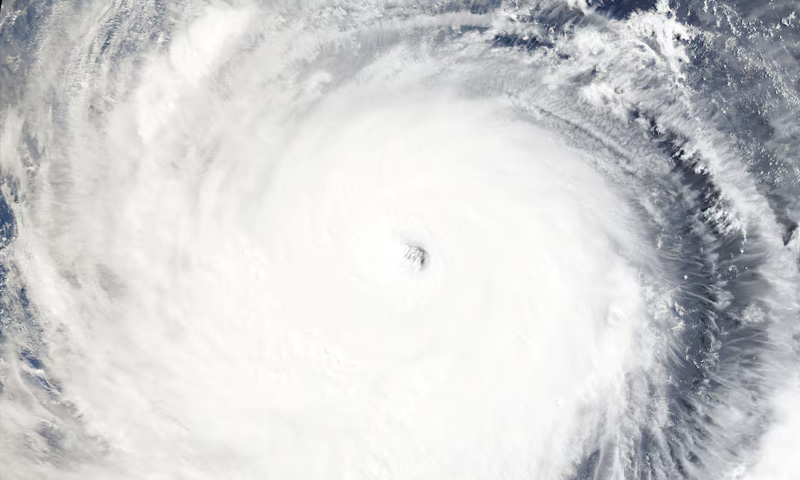
BEIJING/TAIPEI: China and Taiwan are on high alert as Typhoon Bavi, packing ferocious winds of nearly 200 km/h, churns across the Pacific Ocean.
Forecasters have warned that it could be the largest and most destructive tropical storm to hit the region in decades.
The monstrous storm spans roughly 1,000 kilometres at its widest point — equivalent to the width of France.
It is projected to skirt northern Taiwan before slamming into China’s eastern Fujian province by Saturday evening.
Taiwanese authorities are taking no chances, putting 29,000 soldiers on standby for rescue and relief operations.
The island’s northern mountain regions, including areas around the capital Taipei, are bracing for a staggering one metre (3.3 feet) of rainfall.
“Storms of this size have been fairly rare in recent years,” said Jason Chang, a forecaster at Taiwan’s Central Weather Administration, noting that Bavi is on track to be the largest storm by physical size to hit the island since 1987.
In northeastern port towns like Suao, the atmosphere is tense but busy. Hundreds of fishing vessels have packed into harbours for safety, while residents line up for sandbags and farmers desperately rush to harvest crops before the weather turns.
China reels from back-to-back catastrophes
The timing of Typhoon Bavi could not be worse for China.
Emergency teams are still searching through the wreckage left behind by Typhoon Maysak, which ripped through the southwestern Guangxi region earlier this week.
Official updates highlight a grim situation on the ground.
At least 39 people have been confirmed dead, and nine others remain missing across Guangxi. The remnants of Maysak triggered inland tornadoes and massive flooding in central Hubei province.
State media reported severe agricultural devastation, including flooded farms. At a zoo in Guigang, three lions drowned, and over 100 animals — including zebras and porcupines — remain missing.
The threat of the storm has already thrown regional travel into chaos.
Japan’s Okinawa Prefecture is bracing for violent winds and storm surges, forcing major airlines to ground flights.
Japan Airlines (JAL) cancelled 48 domestic and two international flights for Friday, impacting over 7,600 passengers.
All Nippon Airways (ANA) announced scraping dozens of flights on Friday and Saturday, disrupting travel for nearly 7,700 people.
Meteorologists have warned that while Bavi may lose a fraction of its wind intensity, it remains an incredibly dangerous system due to the massive amounts of moisture it has gathered over warm ocean waters.
Scientists pointed out that China, Taiwan, and Japan are facing increasingly frequent and volatile weather events.
Experts are especially concerned this year due to the emergence of El Niño, which elevates sea temperatures and acts as fuel for intense, catastrophic typhoons.
You May Also Like