- Waqas Buneri
- November 4, 2026
Cost of living, immigration concerns shape US voters’ choices in midterm elections
-

- Reuters
- November 4, 2026

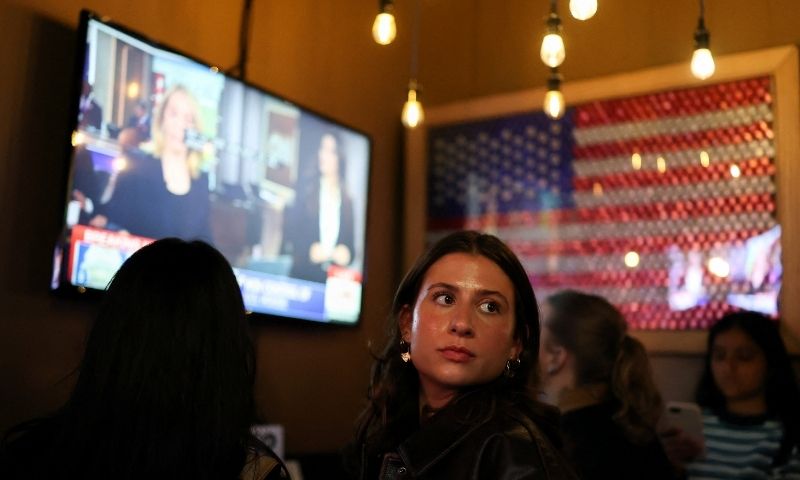
NEW YORK: Rising living costs, healthcare expenses and the Trump administration’s immigration crackdown emerged as key concerns for voters in Tuesday’s US midterm elections, with Americans across several states telling Reuters what influenced their choices at the ballot box.
In Michigan, Democrat Abdul El-Sayed’s Senate campaign drew support from voters who prioritised affordable healthcare and lower medication costs, while some questioned his policy proposals and how he would pay for them.
Brittani Hamlin, a 34-year-old Detroit data analyst who cares for her grandmother, said the rising cost of healthcare and medicines was a major reason she voted for El-Sayed.
“I chose El-Sayed because I’m a caregiver…I see that he’s trying to make big changes, trying to help us keep Social Security, trying to help them bring back down the medical costs,” Hamlin said.
She criticised Republican candidate Mike Rogers, saying she believed he “lays in bed with Big Pharma” and would not support policies benefiting working-class Americans.
Another Detroit voter, Natalia Towns, 34, also backed El-Sayed. She dismissed Rogers’ appearance at a Black church alongside Haley Stevens, El-Sayed’s former Democratic primary rival who endorsed the Republican candidate shortly before election day, as political theatre.
“Don’t do it now. Do it because that’s who you are. Do that on the regular,” Towns said.
But Stevens’ endorsement persuaded some voters. Paul Stockyj, 63, who cast his ballot for Rogers in Warren, described the decision by a Democrat to back a Republican as highly unusual.
“It’s very rare. It never happens. So, I got to believe that there’s something there,” he said.
Stockyj also expressed reservations about El-Sayed’s policy proposals, describing him as more progressive than he would prefer and questioning how the candidate would finance his plans. “Who’s going to pay for all the stuff that he wants to do? There just isn’t the money. (The) people that are going to pay for it are you and me,” he said.
Immigration enforcement weighs on voters
In Chicago, the Trump administration’s immigration policies were central to the concerns of public school teacher Ryan Brown, 29. He said enforcement measures had left some of his students afraid to travel to school or work. Brown declined to disclose whom he supported in the election.
“One of my students was deported to Mexico in less than 48 hours,” he said, adding that other students had asked him to help find ways to get home because they feared walking in their neighbourhoods.
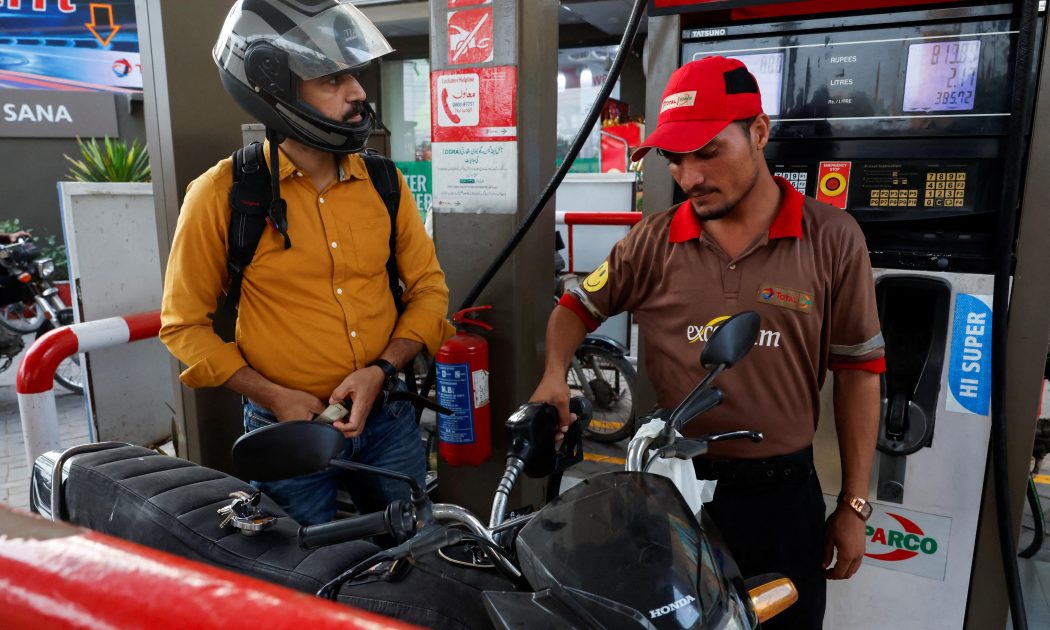
In Fort Worth, Texas, immigration enforcement also shaped voters’ views. Maria Cerda, 40, said several of her co-workers had been detained or deported, separating families. She also cited rising grocery and petrol prices as a source of financial pressure.
“I see a lot of things that I don’t like with Hispanic people, with all the things that ICE has been doing right now,” she said, referring to Immigration and Customs Enforcement.
Cook Victor Garcia, 54, said Trump’s strict immigration agenda influenced his vote, although he focused on the way the policies were being implemented.
“It’s the way they do it. That’s the most important,” he said.
Alaska voters weigh cost of living and representation
In Alaska, the Senate contest between Republican incumbent Dan Sullivan and Democratic challenger Mary Peltola drew attention for an unusual ballot complication: two candidates named Dan Sullivan appeared in the race.
Some supporters of the incumbent said they had no difficulty distinguishing him from his namesake. Jake Wesley, a 27-year-old Air Force member stationed in Anchorage, said the ballot clearly identified the senator as the incumbent. He backed Sullivan, saying “things seem to be pretty good as is.”
Judy Fischer, 45, of the fishing community of Kasilof, also voted for the incumbent but worried that the presence of another candidate with the same name could cost him votes. “People have to do their research,” she said.
Two voters told Reuters they had to obtain replacement ballots after initially selecting the wrong Sullivan. Beverly Holt, an Eagle River resident who corrected her ballot, said she supported the senator because of his conservative values and believed his seniority helped him secure federal funding for infrastructure and services.
Meanwhile, Peltola supporters frequently cited the cost of living as a major concern. Dana Johnson, 22, also of Eagle River, backed Peltola, saying she believed the Democrat would better represent Alaska on climate change, environmental protection and the rights of Indigenous communities.