- WEB DESK
- August 3, 2026
Dar invites Iran’s Araghchi to visit Pakistan as top diplomats discuss regional tensions
-

- WEB DESK
- August 3, 2026
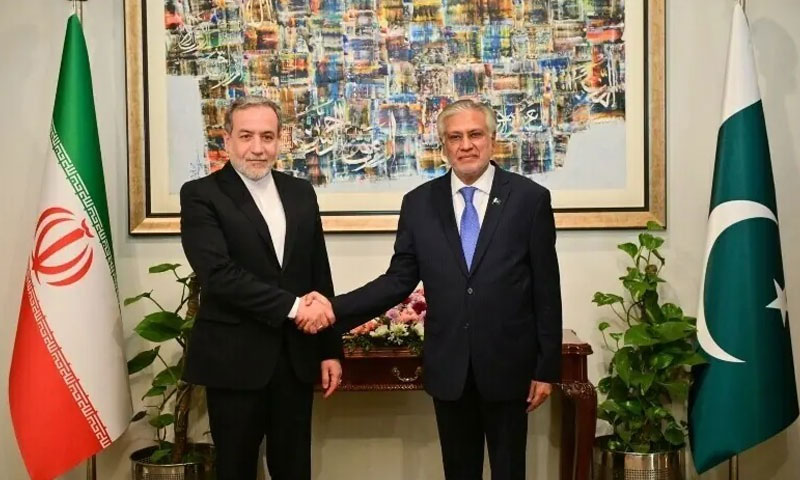
ISLAMABAD: Deputy Prime Minister and Foreign Minister Ishaq Dar invited his Iranian counterpart Seyyed Abbas Araghchi to visit Pakistan during a telephone conversation on Monday, as the two diplomats discussed the regional security situation and growing tensions in the Middle East.
According to Pakistan’s Foreign Office, Dar and Araghchi exchanged views on the evolving regional situation, including developments in occupied East Jerusalem, and reaffirmed the importance of continued diplomatic engagement to address regional challenges.
Dar also invited the Iranian foreign minister to visit Pakistan at the earliest, the Foreign Office said, without specifying a date.
The conversation came hours after Iran said Pakistan remained the principal mediator in efforts to reduce tensions between Tehran and Washington, despite the absence of direct negotiations between the two countries.
Earlier on Monday, Iranian Foreign Ministry spokesperson Esmaeil Baghaei told a news briefing in Tehran that there was “no new mediator” between Iran and the United States and that no negotiations were currently taking place.
He said Pakistan, alongside Türkiye and Qatar, was working to revive the Islamabad Memorandum of Understanding, with Islamabad playing the central mediating role in diplomatic efforts involving Tehran and Washington.
“Qatar continued to facilitate dialogue when needed, while China was using its diplomatic influence to help ease regional tensions,” he added.
Baghaei said Iran remained committed to diplomacy but argued that meaningful progress would be difficult while hostilities continued.
He also described the US campaign against Iran as “a war against the entire region”, reiterating Tehran’s position that the conflict extends beyond Iran’s borders.
Earlier, US President Donald Trump said negotiations with Iran were expected to begin on Monday afternoon.
While saying he preferred diplomacy over military action, Trump did not set a deadline for a potential agreement and said any deal must ensure the reopening of the Strait of Hormuz and address what he described as Iran’s nuclear threat.
Trump also said he had delayed a planned military strike after Iran and regional countries requested more time for negotiations.
Baghaei said Tehran’s discussions with Oman on establishing a temporary maritime route through the Strait of Hormuz were progressing positively but stressed they were separate from any decision to reopen the strategic waterway.
“The situation will remain unstable as long as US aggression continues,” he said.
Iran has intensified diplomatic contacts in recent days. Earlier on Monday, Araghchi held separate telephone conversations with Field Marshal Asim Munir and Saudi Foreign Minister Prince Faisal bin Farhan to discuss regional security and efforts to prevent further escalation.
According to Iran’s state news agency IRNA, Araghchi and Munir discussed the impact of ongoing US and Israeli actions against Iran and stressed the need for greater regional cooperation and political solutions to avoid a wider conflict.
Iran says talks with Oman over issues related to the Strait of Hormuz are continuing, although officials have stressed they are separate from any decision on reopening the vital shipping lane, through which roughly one-fifth of global oil and liquefied natural gas supplies pass.
Despite the renewed diplomatic activity, Israel has maintained that it will continue military action if Iran resumes its nuclear programme or expands its ballistic missile capabilities, regardless of any future agreement. Tehran denies seeking to develop nuclear weapons.
You May Also Like


- WEB DESK
- August 3, 2026
Religious scholar killed in South Waziristan bomb blast
- WEB DESK
- August 3, 2026