- WEB DESK
- October 26, 2026
Dar says PM, army chief’s behind-the-scenes diplomacy secured US-Iran deal
-

- Zafar Ali
- June 24, 2026
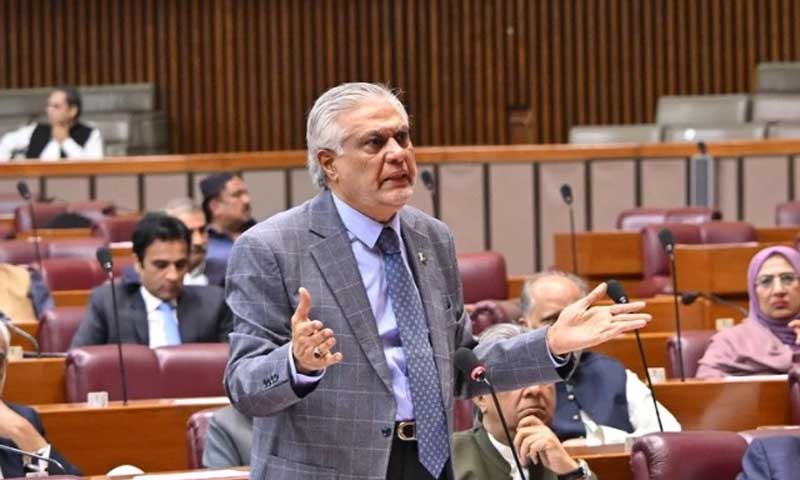
ISLAMABAD: Deputy Prime Minister and Foreign Minister Ishaq Dar on Wednesday told the National Assembly about a historic, newly signed diplomatic roadmap between the United States and Iran, revealing Pakistan’s extensive and highly secretive role as the central mediator in defusing a severe regional military crisis.
Speaking in the National Assembly during a federal budget debate, Dar said that Islamabad successfully maintained complete confidentiality throughout six rounds of tense, multi-layered dialogue, managing to secure a preliminary bilateral Islamabad Memorandum of Understanding (MoU) without a single leak.
Dar noted that Pakistan was the solitary Muslim nation to immediately issue an official condemnation of the Israeli strike on Iran, a move that positioned Islamabad to launch an intensive, backchannel de-escalation mission.
“Pakistan played an active and robust role to end the hostilities,” Dar told the lower house. “Both Washington and Tehran explicitly chose Pakistan to act as their trusted mediator.”
According to the foreign minister, the diplomatic breakthrough was spearheaded jointly by Prime Minister Shehbaz Sharif and Chief of Army Staff Field Marshal Syed Asim Munir, who directly engaged top leadership from both adversarial nations.
He revealed that during the peak of the crisis, Pakistani officials held 152 separate diplomatic engagements with foreign ministers and officials globally to keep regional allies connected.
“The mediation faced significant hurdles. Within hours of initial talks, Iranian forces launched retaliatory strikes against US military installations” Dar stated adding that Pakistani mediators immediately reached out to the Iranian foreign minister to offer sympathies with a formal request to halt to further military responses to allow diplomacy a chance.
“There were several phases where negotiations appeared to be on the verge of collapse, particularly during the complex interactions between the US and Iran,” Dar said.
“However, Field Marshal Syed Asim Munir refused to give up, sustaining relentless pressure and hard work to keep both sides engaged.”
“The backchannel efforts culminated in the landmark “Islamabad MoU,” paving the way for the first direct, high-level talks between Washington and Tehran in 47 years, recently convened in Burgenstock, Switzerland,” Dar informed lawmakers adding that US President Donald Trump decided to formally endorse the Islamabad MoU on the sidelines of the Group of Seven (G7) summit, initiating a 60-day window of technical negotiations focused on regional de-confliction, nuclear parameters, and sanctions relief.
He emphasised that Pakistan’s strict adherence to diplomatic protocols preserved the integrity of the high-stakes mission, noting that Islamabad refused to share sensitive documentation even with its closest state allies until the pact was finalized.
Earlier in his speech, Dar pivoted to domestic financial matters, expressing gratitude to the provincial chief ministers for providing crucial financial grants to the federal government.
He stated that these provincial contributions would be utilised efficiently to fund essential federal responsibilities, primarily national defense and ongoing security operations.
You May Also Like
- WEB DESK
- October 26, 2026
Lahore police claim disposal of 1 million cases in three years
- AFP
- October 26, 2026