- Web Desk
- 16 Minutes ago
Dry and cold weather expected across most parts of Pakistan today
-

- Web Desk
- Nov 13, 2025
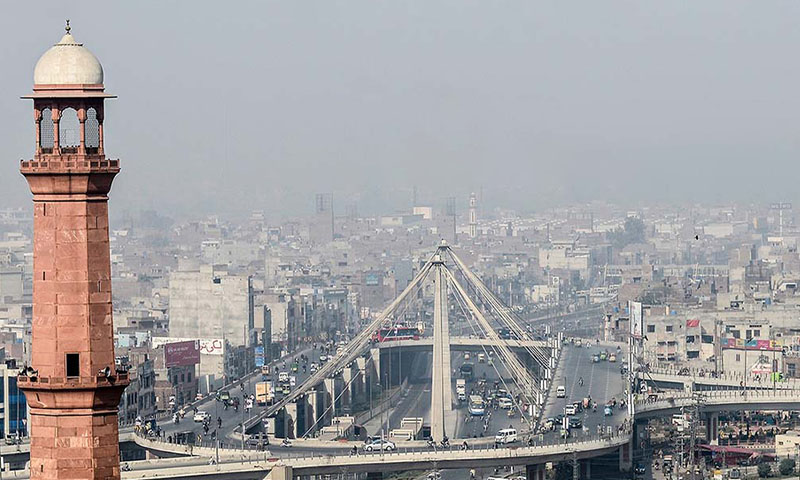
The Meteorological Department has forecast dry and cold weather across most parts of the country today, Thursday, November 13, 2025, as the season continues to shift towards winter.
In Islamabad, the weather will remain dry with clear blue skies. The daytime temperature is expected to reach around 21°C (70°F), while the night may turn noticeably colder, dropping to nearly 12°C (54°F). Light jackets are advised for the evening.
Lahore and Peshawar are also likely to experience sunny and pleasant days, with highs of 26°C (79°F) and 24°C (75°F) respectively. However, Lahore’s plains may see shallow fog or smog during early morning and late-night hours. Peshawar will have a chilly night with temperatures falling close to 11°C (52°F).
The coastal city of Karachi will remain the warmest, with a sunny high of 28°C (82°F) and a comfortable low around 20°C (68°F), consistent with its maritime climate.
In Balochistan, most districts are likely to experience very cold conditions, while dry and cold weather is expected in Khyber Pakhtunkhwa, Gilgit-Baltistan, and Azad Kashmir. Murree and Galiyat will also remain cold and dry. Most parts of Sindh are forecast to stay dry, and Punjab’s plain areas are likely to see smog and fog persist.
Air quality in Lahore remains “very healthy”
Meanwhile, Lahore’s air quality has deteriorated sharply, remaining in the ‘Unhealthy’ to ‘Very Unhealthy’ range, with some reports indicating that it is approaching the ‘Severe’ category.
According to recent readings, the city’s Air Quality Index (AQI) is fluctuating between 160 and above 200, placing it in a range that poses serious health risks, especially for sensitive groups. Some localised areas have reported even higher and more dangerous pollution levels.
The primary pollutant remains PM2.5 (fine particulate matter), which poses a significant threat to public health. Residents have been advised to limit outdoor activities, particularly during early morning and evening hours when smog levels are typically higher.
You May Also Like


- Web
- 45 Minutes ago
A whole civilization to die tonight: Trump