- Web
- 2 Hours ago
Elizabeth Smart’s journey on Netflix: from being a kidnapping survivor to a storyteller
-

- Web Desk
- Jan 21, 2026
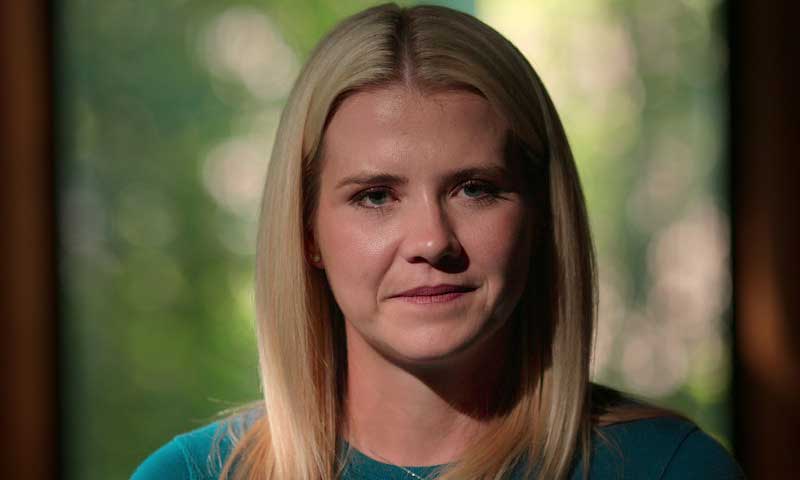
WEB DESK: More than two decades after her kidnapping shocked the United States, Elizabeth Smart is living the kind of life she once feared might never be possible, an ordinary one. Wife, mother of three, author and advocate, Smart today speaks not from a place of trauma alone, but from hard-earned peace.
Her story is revisited in the new documentary Kidnapped: Elizabeth Smart, which revisits the 2002 abduction that tore her from her Salt Lake City home at age 14. Taken by Brian David Mitchell, a man her family had previously hired for odd jobs, Smart was held captive for months before being recognised by members of the public and rescued by police. The ordeal left scars, but it did not define her future.

“There are happy endings,” Smart says now, reflecting on why she agreed to tell her story once again. For her, the film is not about reliving horror, but about showing survivors that life can continue, and even flourish, after the unthinkable.
Smart married Matthew Gilmour in 2012, a Scotsman she met while travelling in Europe. One of the things she values most about their relationship, she says, is that he met her without preconceived notions. “With him, I’m not my past. I’m just who I am right now.” The couple live in Utah, where Smart still occasionally gets recognised in public, often met with puzzled double-takes rather than instant recognition.
Motherhood, she admits, has reshaped her understanding of safety and trust. Her children are raised with open conversations, clear boundaries and an emphasis on bodily autonomy. Sleepovers are off the table, and safety discussions are routine, not fearful, but factual. “The goal isn’t to scare them,” she explains, “it’s to empower them.”
Beyond her home life, Smart continues to work closely with survivors of sexual violence. Through advocacy, public speaking and a survivor support fund, she helps cover practical needs often overlooked — medical bills, rent, travel or education. “Statistics fade,” she says. “Stories stay with you. That’s how change happens.”
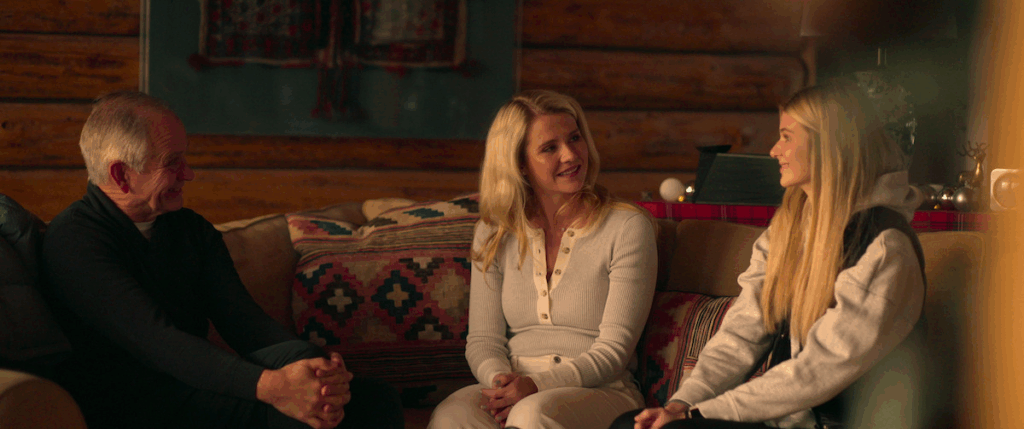
She has also recently released her third book, Detours, chronicling her journey toward normalcy — a word she now cherishes. For Smart, triumph isn’t fame or recognition; it’s family dinners, skiing trips, watching her children discover who they are.
Watching the completed documentary stirred unexpected emotions, particularly when she saw her parents and siblings reflect on the kidnapping. As a teenager, she believed the suffering was hers alone. As a parent, she now understands the depth of her family’s pain, especially that of her younger sister, Mary Katherine, whose eyewitness account helped identify Mitchell. “She saved me,” Smart says simply.
Mitchell is currently serving a life sentence without parole. His accomplice, Wanda Barzee, was released in 2018 and later re-arrested in 2025 for allegedly violating sex offender restrictions. While the developments were painful, Smart says they deepened her empathy for victims whose perpetrators are never held fully accountable.
Elizabeth Smart’s life today is not framed by what was taken from her, but by what she chose to rebuild. In reclaiming joy, routine and purpose, she offers something quietly radical: proof that survival does not have to be the end of the story.
You May Also Like