- WEB DESK
- August 29, 2026
Field Marshal Asim Munir reaches Turkiye ahead of defence pact meeting
-

- WEB DESK
- August 30, 2026
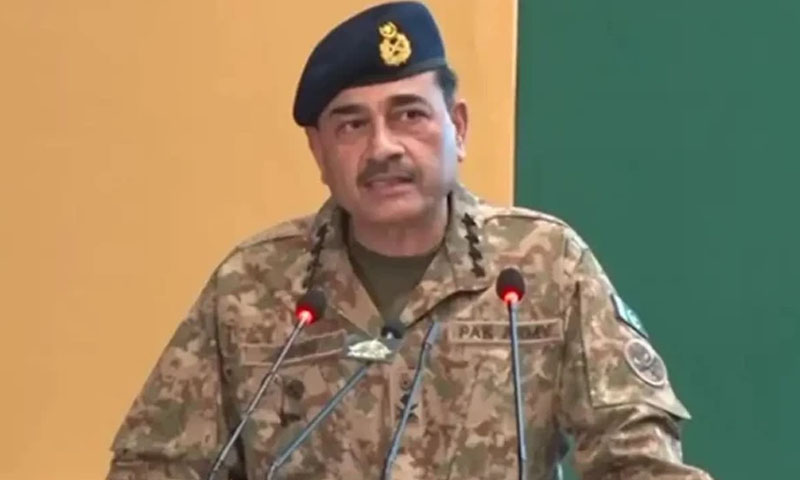
ISTANBUL: Chief of Defence Forces Field Marshal Syed Asim Munir arrived in Türkiye on Sunday for an official visit, the Inter-Services Public Relations (ISPR) said, ahead of a key trilateral meeting between Pakistan, Turkiye and Saudi Arabia under their recently signed defence agreement.
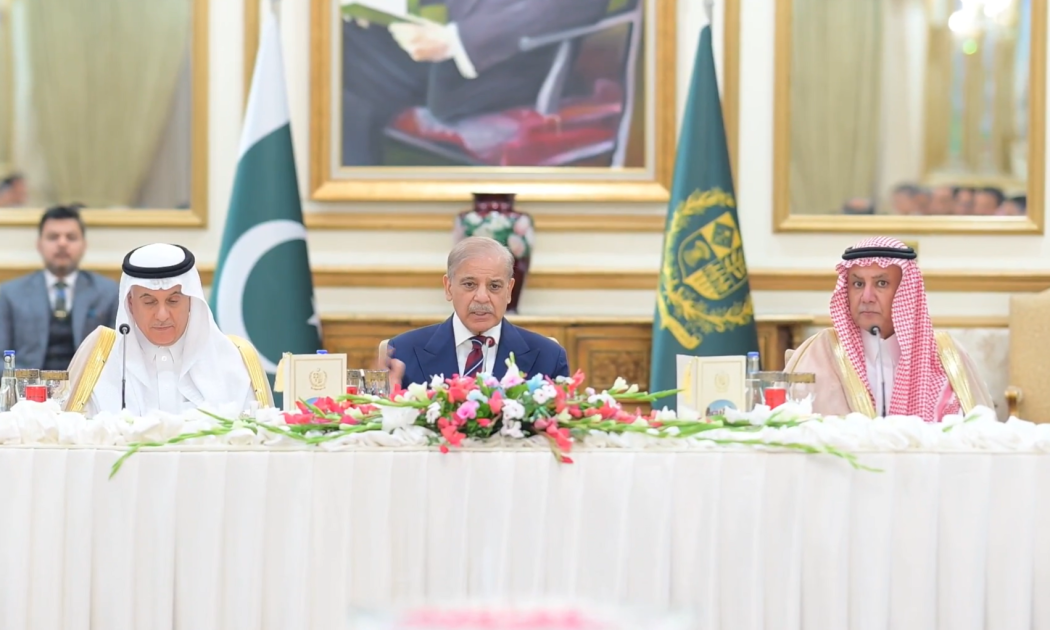
The arrival of Field Marshal Munir comes as senior officials from the three countries prepare to meet in Istanbul on Monday for the first meeting under the trilateral Makkah Joint Defence Agreement, signed on August 7.
A Turkish foreign ministry source told Reuters that the foreign and defence ministers, as well as the chiefs of staff of the three countries, would attend the meeting.
The discussions are expected to focus on international security issues, strengthening defence capabilities, improving interoperability among the three armed forces and expanding cooperation in the defence industry, including joint production and development.
Earlier, Deputy Prime Minister and Foreign Minister Ishaq Dar also reached Istanbul on Sunday for official engagements after concluding his visit to the United Kingdom.
The Foreign Office said Dar was received by Turkish Deputy Chief of Staff for Administration Brigadier General Senol Varol, Pakistan’s Ambassador to Türkiye Dr Yousaf Junaid, Turkish Foreign Ministry Ambassador Cihad Erginay and other senior officials.
The Foreign Office has not publicly confirmed that Dar’s engagements are linked to Monday’s defence meeting.
Pakistan’s Ministry of Foreign Affairs also did not confirm the first meeting under the defence agreement when contacted for comment.
Makkah defence agreement
The meeting comes less than a month after Pakistan, Turkiye and Saudi Arabia signed the Makkah Joint Defence Agreement, committing the three countries to strengthening collective security and deterrence.
Under the agreement, an armed attack against any one of the three countries would be regarded as an attack against all three — a provision broadly comparable to NATO’s Article 5 collective-defence principle.
The agreement also envisages greater cooperation in defence and security, including military coordination and defence-industry collaboration.
Türkiye, which has NATO’s second-largest military, has said the agreement is not intended to replace existing alliances and could potentially be expanded to include other countries.
The trilateral arrangement comes amid heightened tensions in the Middle East and broader regional security concerns, with Pakistan, Türkiye and Saudi Arabia seeking closer coordination on defence and strategic matters.
Monday’s meeting is expected to provide the first major platform for the three countries to discuss how the new defence arrangement will be implemented and translated into practical military and defence-industrial cooperation.
Wider regional security concerns
The trilateral defence meeting is taking place against the backdrop of stalled negotiations over the Iran conflict and wider instability in the Gulf.
The conflict has raised security concerns for Saudi Arabia and other Gulf states following missile attacks and heightened threats to critical energy infrastructure and shipping routes.
Pakistan, meanwhile, has sought to position itself as a diplomatic bridge in the region, maintaining engagement with both Gulf partners and Iran while supporting efforts aimed at de-escalation.
The R4 mechanism involving Pakistan, Turkiye, Saudi Arabia and Egypt emerged earlier this year amid efforts to facilitate mediation between Washington and Tehran.
The previous meeting was held in Cairo in June, when the four countries welcomed the then-emerging Islamabad Memorandum of Understanding between the United States and Iran
With the latest Istanbul consultations coinciding with the first meeting under the new defence pact, the discussions are expected to cover both immediate regional security concerns and longer-term cooperation among the participating countries.
For Pakistan, Dar’s presence in Istanbul also provides an opportunity to coordinate its diplomatic position with Turkiye and Saudi Arabia at a time of heightened regional tensions, while reinforcing the country’s expanding defence and strategic ties with the two states.
You May Also Like