- WEB DESK
- August 24, 2026
Forget govt data, WB says Pakistan urban population is 88%
-

- WEB DESK
- November 5, 2025
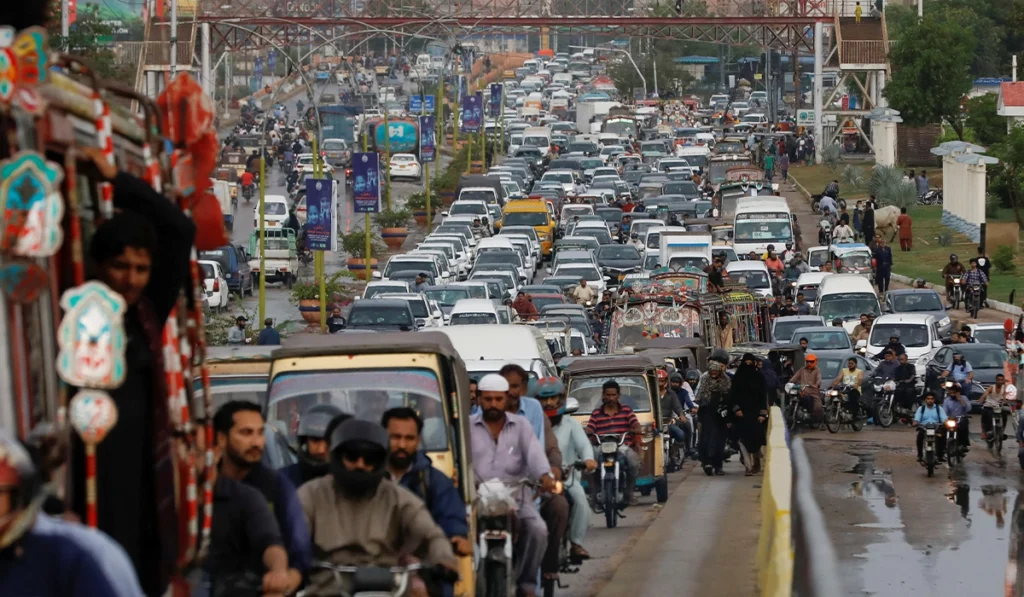
ISLAMABAD: The World Bank says that the share of urban population in Pakistan 88 per cent, not 39 per cent suggested by government data, undermining the planning and delivery of essential public services and raising serious questions about the classification criteria followed by the policy makers.
It is a working paper “When Does a Village Become a Town? Revisiting Pakistan’s Urbanisation Using Satellite Data” which showed this massive discrepancy.
NO! YOU ARE RURAL
The paper mentions distorted socioeconomic indicators as a natural result which mask the true extent of urban-rural disparities and complicating the design of effective, evidence-based public policy.
On the other hand, it also leads to the fact that millions of people are not “entitled” to services like mass transit/public transport, larger health and education centres etc just because they have been listed as rural when they actually live in urban/ semi-urban centres.
But it has massive political consequences as well. For example, the quota system in Sindh — 60 per cent rural and 40 per cent rural — and the resultant MQM-P stance to empower the local governments.
However, the biggest problem, in the light of these findings, can be the allocation of National Assembly seats to urban and rural areas. The same goes to the provincial legislatures.
Therefore, the social and political discontent in urban centres can also be ruled out because of faulty formula of allocating resources. People in cities obviously get less financial resources than their rightful share.
LOW TAX COLLECTION, LOW SERVICE DELIVERY
Coming to the World Bank paper, it describes how the officials figures do not take population density and concentration into account for the entire Pakistan.
The official definition captures only the largest urban centres and fails to recognise the urban character of growing peri-urban areas that now host nearly half the population.
Prior to 1972, the official classification of urban areas was based upon on objective indicators — population count, infrastructure, and public service provision. But later the responsibility shifted to provincial and municipal committees.
Meanwhile, another downside of this state of affairs is less revenue generation in Pakistan where informal economy and inability to tax the powerful segments means indirect taxation and more foreign debt.
It is evident from less number of people available for property tax through which the provincial and local governments can considerably enhance their resources. Hence, very little for developing civic infrastructure and provision services.
You May Also Like

- WEB DESK
- August 24, 2026