- WEB DESK
- August 20, 2026
From Bhutto to Imran Khan: What jail facilities have former presidents and PMs received?
-

- WEB DESK
- August 20, 2026
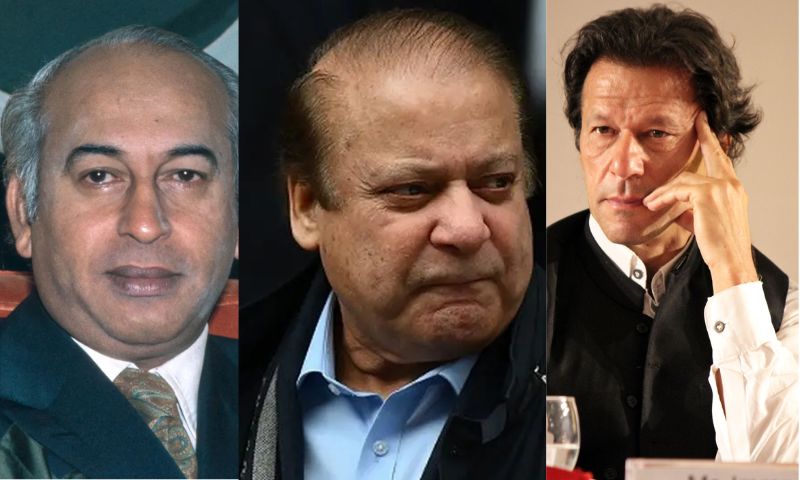
The Supreme Court’s order this week directing the transfer of jailed former prime minister and Pakistan Tehreek-e-Insaf (PTI) founder Imran Khan to Shifa International, a private hospital for treatment has reignited a long-running debate over the facilities and rights available to Pakistan’s high-profile political prisoners, several of whom have included some of the country’s most popular leaders, from Zulfikar Ali Bhutto to Benazir Bhutto.
The PML-N government not only filed a review petition against the hospital transfer order but had two of its ministers hold a press conference criticising Khan, his party leadership and workers over what they called his past conduct and current health claims.
Here is how past presidents and prime ministers who faced imprisonment in Pakistan were treated behind bars.
Zulfikar Ali Bhutto
Bhutto, who served as both prime minister and president, was sentenced to death by the Lahore High Court in a 1974 murder case. The Supreme Court upheld the sentence in a 4-3 majority ruling in February 1979, and he was hanged at Rawalpindi Central Jail on April 4, 1979, after his appeal was rejected. The case remains among Pakistan’s most contested; in a March 2024 presidential reference, the Supreme Court found serious flaws in the fairness of his trial, though it did not formally overturn the original verdict.
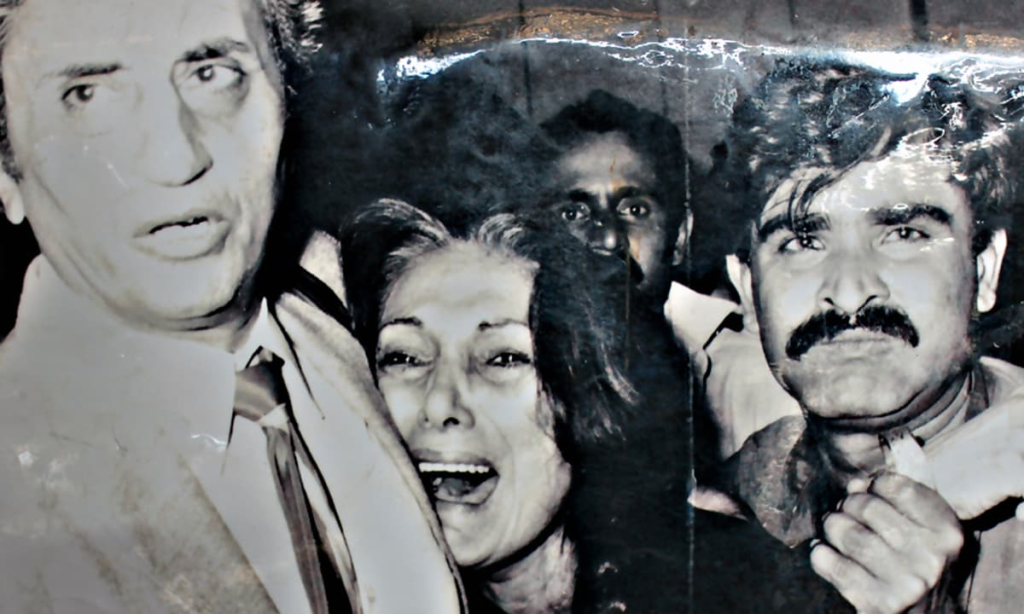
Bhutto was held as a high-security political prisoner rather than an ordinary inmate. A New York Times report said jail authorities stripped his cell of nearly all facilities, including his bed, just eight days before his execution. His cell measured seven feet by ten feet and contained a cot, mattress, small table and bookshelf, but in his final days, even his bedding, shaving kit and medicines were taken away. The Times described his imprisonment as anything but comfortable or privileged.
Benazir Bhutto
Benazir Bhutto was arrested, detained and prosecuted repeatedly across different periods, both before and after becoming prime minister. She was in custody along with her mother when her father, former prime minister Zulfikar Ali Bhutto, was hanged in 1979. Following her arrest in April 1979, she was held for six months in jail and six months under house arrest.
In March 1981, when the Al-Zulfikar organisation hijacked a plane, Benazir and her mother Nusrat Bhutto were arrested again. This time, Benazir was held first in Karachi and then in Sukkur jail, from where she was released in September 1981, before spending nearly three years under house arrest. She was released on medical grounds in January 1984 and travelled from Karachi to Europe for treatment.
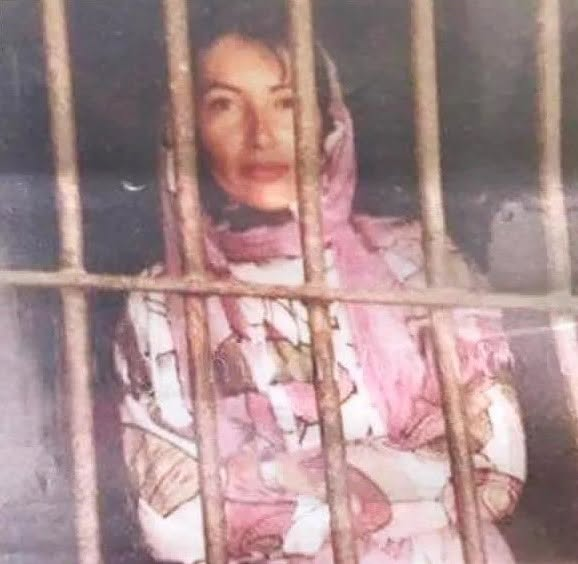
After returning, she was placed under house arrest for 90 days in August 1985, and exactly a year later, in August 1986, she was arrested again after delivering a speech against the Zia government at a rally in Karachi, and held at Landhi Jail.
In 1999, an accountability court sentenced her to five years in prison and disqualified her from holding public office in one case, but she was outside the country at the time, and the sentence was later overturned by a higher court.
Bitter cold, a drafty cell, and no blanket
Writing about her imprisonment in Sukkur jail in March 1981, Benazir Bhutto recalled in her autobiography Daughter of the East that the coldest desert wind blew in through the bars of her cell, which she described as being like a giant cage containing nothing but a charpai. She wrote of huddling and shifting on the bed with her teeth chattering, having no sweater or blanket, wearing only the shalwar kameez she had been arrested in five days earlier in Karachi. A sympathetic female jailer once brought her a pair of socks, she wrote, but was too frightened and took them back the next morning.
During this period, she developed a severe ear infection, and after months of appeals, she was taken to a private hospital where she underwent surgery.
A cell filled with cockroaches and flies
Describing the conditions at Sukkur jail further, she wrote that the cell she was kept in was small and filthy, with a toilet that had no flush system and was constantly infested with cockroaches and flies. The stench, she wrote, mixed with that of a dirty drain flowing through the courtyard outside, keeping the air foul, while the water bucket was filled with dead insects.
What was served for food?
On the food provided at Sukkur jail, Benazir wrote in her book that early each morning the cell door would open and she would be brought a token cup of black tea, bread, a nominal lentil soup, boiled pumpkin, and fish twice a week with lunch and dinner.
Nawaz Sharif
Nawaz Sharif was arrested after General Pervez Musharraf’s 1999 coup and sentenced to life imprisonment in a hijacking and terrorism case in 2000, along with a separate 14-year sentence in another case. His sentence was commuted in December 2000, and he was released after 425 days and exiled to Saudi Arabia. He was later convicted in the Avenfield and Al-Azizia references linked to the Panama Papers case, spending roughly two months in jail during that period.
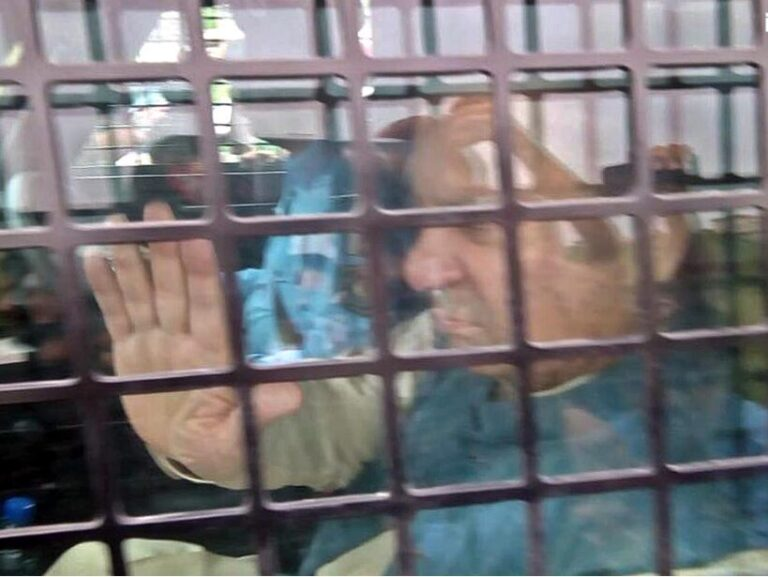
Sharif’s prison conditions differed markedly from an ordinary inmate’s. He was granted A/B-class facilities, which under Pakistan’s jail manual entitle prisoners to better bedding, a table and chair, along with personal clothing, books, newspapers and a television. He also received additional food on medical grounds and was allowed to receive certain items from his family.
Asif Ali Zardari
President Asif Ali Zardari’s case stands apart for the sheer length of his incarceration, nearly 11 years in total across multiple corruption cases, which he and his party have long called politically motivated. According to a 2003 PPP statement, Zardari was held in solitary confinement at PIMS Islamabad at times, and at Kot Lakhpat Jail when moved to Lahore, with his party also citing his deteriorating health, though this was the party’s own account rather than an official jail report.
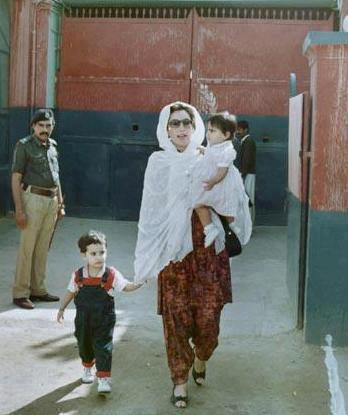
His circumstances shifted considerably during his 2019 detention as president. An accountability court in Islamabad directed jail authorities to provide him facilities in line with the law and doctors’ recommendations, permitting an air conditioner if medically prescribed, along with a refrigerator, internet access and a personal attendant at his own expense, concessions not typically available to ordinary prisoners.
Pervez Musharraf
Musharraf is the only former president to be sentenced to death, handed the sentence by a special court on December 17, 2019, in a high treason case linked to his 2007 suspension of the constitution and imposition of emergency rule. The Lahore High Court struck down both the special court and the verdict as unconstitutional in January 2020, but the Supreme Court reversed that ruling in January 2024 and upheld the death sentence, by which point Musharraf had already died in 2023.
Notably, he never served his sentence in jail; he was abroad throughout the trial and did not appear in court due to illness before his death.
Imran Khan
Imran Khan’s case is the most prominent example under the current government. He has been in jail since August 2023 and has been convicted in multiple cases, including a three-year sentence in the Toshakhana case in 2023, and a 10-year sentence in the cipher case in 2024 that was later overturned on appeal. He was sentenced to seven years in an unlawful marriage case, from which he was acquitted in July 2024, and to 14 years in the Al-Qadir Trust case in January 2025. More than 100 legal cases have reportedly been filed against him, though not all resulted in convictions; he and his party describe many as politically motivated.
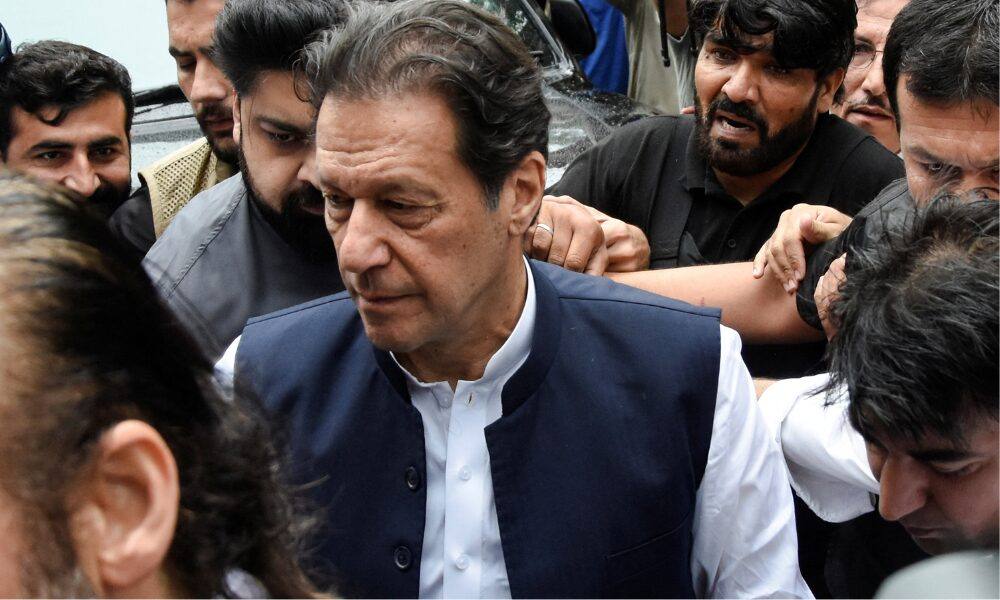
On August 18, 2026, the Supreme Court ordered his transfer from jail to Shifa International Hospital in Islamabad, citing his deteriorating health, and directed that his treatment be supervised by medical specialists.
According to reports submitted to the Supreme Court this year, Imran Khan has been held under B-class facilities, in a residential compound separate from other inmates and relatively more spacious. He has access to a designated walking area, an exercise bike, dumbbells and other gym equipment, close to a hundred books, and newspapers. He has also been provided an LED TV, a study table and chair, a room cooler, a heater in winter, hot and cold water, and a separate kitchen with cooking facilities.
He has also been allowed food of his choice, along with dedicated staff for laundry and cleaning, personal items such as towels and shoes, and access to natural light and fresh air, with multiple CCTV cameras installed for his security. According to a 2026 jail superintendent’s report, his diet has included coffee, porridge, dates, walnuts, honey, lassi, milk, chia seeds, juice, desi chicken, mutton, lentils, salad, eggs, fruit and dry fruits, with some meals arranged by his family.
However, Imran Khan has complained of difficult conditions, citing heat, humidity, mosquitoes, inadequate cooling and limited time outside his cell, saying he was given a cool box instead of a refrigerator. His party and lawyers have also alleged he has been kept in solitary confinement, with restricted access to family, lawyers and party leaders.
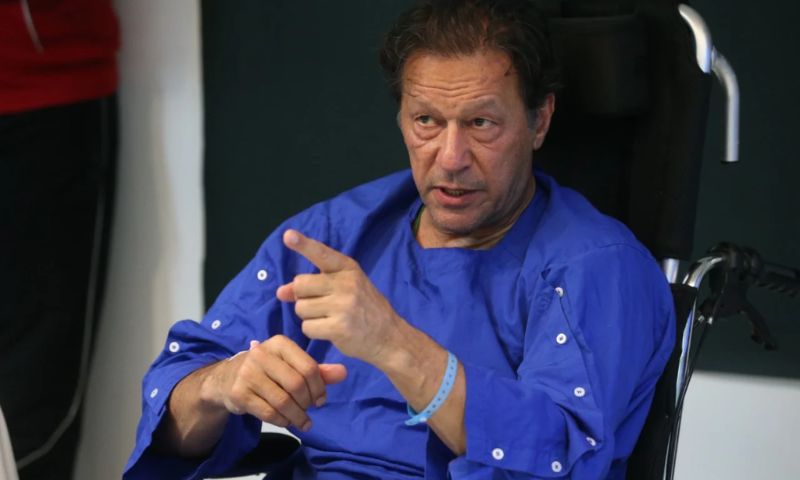
On August 18, 2026, citing health concerns, the Supreme Court ordered his transfer to Shifa International Hospital, along with supervision by medical specialists and his personal physician, and weekly contact with his family.
You May Also Like

- WEB DESK
- August 20, 2026
Diesel price slashed by Rs32.63, petrol rate hiked

- WEB DESK
- August 19, 2026