- Web
- 4 Hours ago
Google to open office in Pakistan as Chromebook assembly begins
-

- Web Desk
- Nov 08, 2025
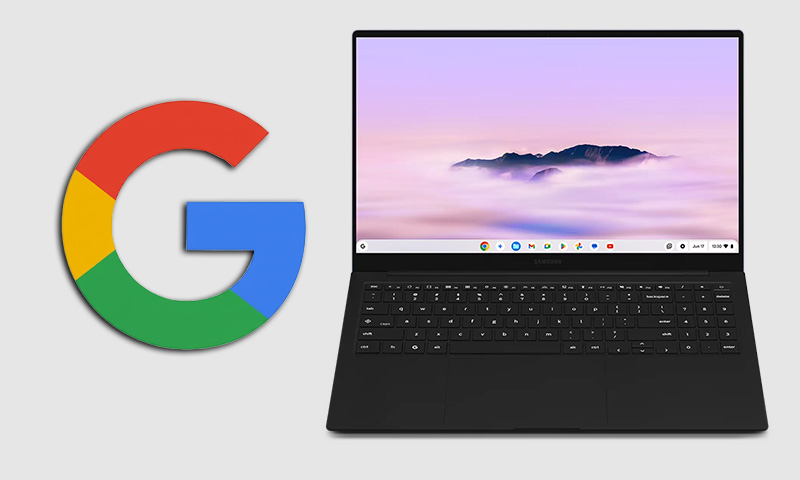
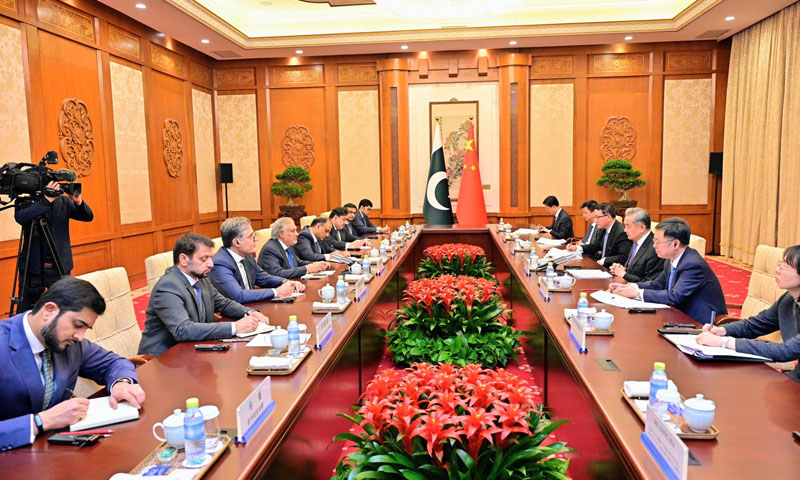
Google has officially completed its registration in Pakistan and will soon open a local office, Federal Minister for IT and Telecommunication Shaza Fatima Khawaja announced on Saturday. The move coincides with the start of Chromebook manufacturing in Haripur, signalling a major boost for the country’s technology sector.
Speaking at a press conference, Shaza said around 500,000 to 600,000 Google Chromebooks will be produced annually in Pakistan. She added that the initiative will create direct employment opportunities, encourage technology transfer, and promote best practices within the local IT industry. “Our goal is to eventually export these devices and expand the assembly line further,” she noted.
The Chromebook assembly line was launched on November 4 through a collaboration between Google for Education’s local partner Tech Valley, the National Radio Telecommunication Corporation, and Australia-based Allied. Operations are based in Haripur, Khyber Pakhtunkhwa.
Prime Minister Shehbaz Sharif has previously highlighted that local assembly of IT products, including Chromebooks, would reduce costs for consumers and strengthen Pakistan’s foreign exchange reserves by fostering an export-oriented tech sector.
Shaza also revealed that a memorandum of understanding has been signed between Google and the Ministry of IT to provide youth with training in technology and artificial intelligence. Discussions are ongoing for setting up AI labs in Pakistan.
The minister further shared updates on other tech initiatives. Meta’s Llama AI platform is now available in Urdu, a step that makes Pakistan one of the few countries to receive such localisation. TikTok has introduced a STEM feed in Pakistan, offering free educational content in science, technology, engineering, and mathematics.
In addition, Saudi company Go Telecom has launched an AI Hub in Pakistan, enabling local freelancers and small tech firms to access international markets remotely. “This initiative will generate employment, boost exports, and create new business opportunities,” Shaza said.
You May Also Like