
- WEB DESK
- October 23, 2026
Govt urged to raise cigarette tax to boost revenue
-

- Zafar Ali
- May 5, 2026
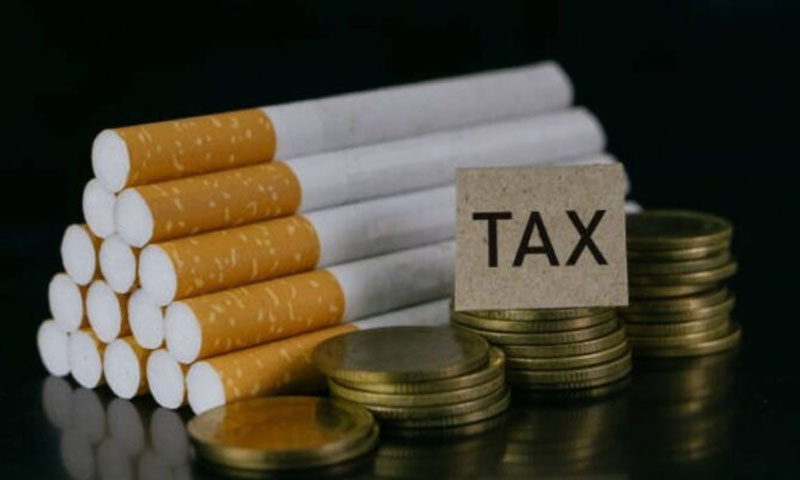
ISLAMABAD: The Society for the Protection of the Rights of the Child (SPARC) has urged the government to raise the Federal Excise Duty (FED) on cigarettes in the 2026–27 budget, saying the move could generate an additional Rs51 billion in revenue while reducing smoking rates.
The SPARC proposed a minimum increase of Rs35 per pack on economy brands and Rs21 per pack on premium brands, along with a gradual transition towards a unified tax structure.
The organisation said the proposed measures could prevent around 369,000 young people from starting smoking and reduce the number of smokers by about 271,000 nationwide.
SPARC Programme Manager Dr Khalil Ahmad said smoking continues to place a heavy burden on Pakistan’s healthcare system, contributing to about 192,000 deaths annually.
He said cigarette tax rates have remained unchanged since February 2023, eroding the real value of tobacco taxes due to inflation and making cigarettes—particularly low-cost brands—more affordable.
“When tobacco taxes remain stagnant, cigarettes become cheaper in real terms, increasing affordability and attracting more people, especially children and youth,” Ahmad said.
He added that the real FED has declined by about 23 per cent since February 2023, while the tax share on top brands has dropped from 47.4 per cent to 41.7 per cent.
Ahmad said Pakistan remains among the cheapest cigarette markets in the region, with a pack of 20 cigarettes priced at Int$3.46, compared with Int$6.32 in the Eastern Mediterranean Region and Int$10.91 in South-East Asia.
“This makes cigarettes about 83 per cent cheaper than in the Eastern Mediterranean Region and up to 215 per cent cheaper than in South-East Asia,” he said, warning that the price gap fuels consumption and increases the risk of youth initiation.
He said tobacco use also imposes a significant economic burden, with the annual cost of smoking estimated at Rs1,835 billion—around 1.6 per cent of GDP—far exceeding revenue generated through tobacco taxation.
Healthcare costs and productivity losses linked to smoking-related diseases amount to billions of rupees each year, he added, calling for a progressive, inflation-adjusted taxation policy.
The SPARC recommended a phased approach, including higher annual FED increases of around 35 per cent on economy brands and inflation-linked increases of about 6.5 per cent on premium brands to narrow the price gap between tiers.
Reducing the gap is critical, Ahmad said, as cheaper cigarettes are more likely to attract young and first-time smokers.
Addressing concerns about illicit trade, he said independent estimates suggest it accounts for 33–34 per cent of total cigarette consumption.
He added that Pakistan, as a signatory to the World Health Organization Framework Convention on Tobacco Control, is obligated to strengthen tobacco taxation to protect public health.
“Increasing tobacco taxes is the most effective measure to reduce consumption,” Ahmad said, adding that the proposed FED hike aligns with global best practices and would help boost revenue while protecting youth from addiction.
You May Also Like


- WEB DESK
- October 23, 2026
Gold price drops in Pakistan for fourth consecutive day

- AFP
- October 23, 2026