- WEB DESK
- October 6, 2026
Gulf tanker movements fuel peace hopes amid Trump hints of Iran deal progress
-

- Sadia Basharat
- May 20, 2026
WEB DESK: Prospects for a resolution to the US-Israeli conflict with Iran have brightened following positive signals from Washington and the resumption of vital shipping traffic through the region.
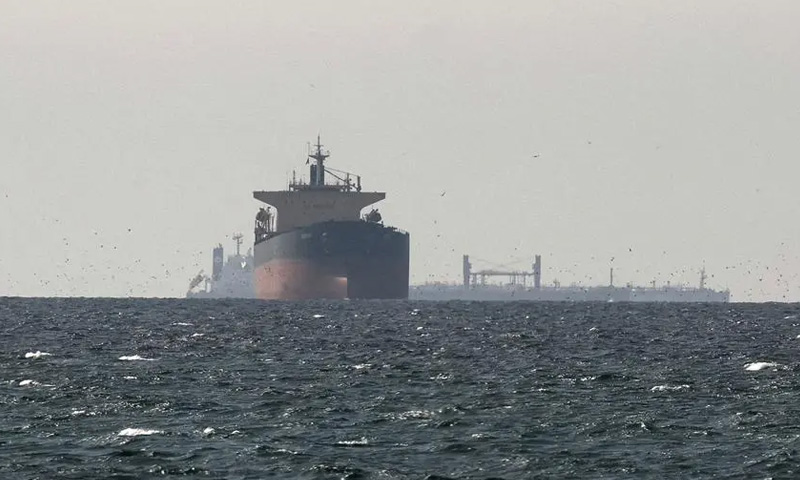
Two Chinese supertankers carrying Iraqi crude oil successfully navigated the Strait of Hormuz on Wednesday, providing a major psychological boost to global markets and easing energy supply fears.
The maritime movement coincided with optimistic briefings from the White House. US President Donald Trump announced that the three-month-old war could end “very quickly” after pausing a planned resumption of military strikes to review a fresh peace proposal from Tehran, according to The Express Tribune.
Vice President JD Vance echoed this optimism, stating that negotiators had made “a lot of progress,” though he acknowledged challenges in dealing with a fractured Iranian leadership.
The high stakes at home are mounting for President Trump, who faces plummeting approval ratings and intense political pressure to reopen the blockaded shipping route ahead of November’s congressional elections.
Escalating regional risks and nuclear warnings
Despite the diplomatic opening, the shadow of the conflict continues to threaten regional stability. While a ceasefire implemented in early April has largely held, a series of recent drone strikes launched from Iraq toward Gulf states has heightened tensions.
Most notably, a drone attack on Sunday caused a fire near the Barakah Nuclear Power Plant in the United Arab Emirates.
The incident sparked urgent international condemnation and triggered an emergency session of the UN Security Council. Speaking in New York, Pakistan’s permanent representative to the United Nations, Ambassador Asim Iftikhar Ahmad, strongly condemned the attacks on the UAE and Saudi Arabia, labeling the targeting of nuclear facilities a grave violation of international law.
The head of the UN nuclear watchdog, Rafael Grossi, issued a stark warning to the council, noting that a direct hit on the operational Barakah plant could trigger a severe release of radioactivity, necessitating mass evacuations and emergency protective measures across hundreds of kilometres.
Diplomatic hurdles and sticking points
While Washington talks up the potential for an accord, bridging the gap between the two sides remains a formidable task. Iranian state media indicated that Tehran’s latest proposal demands a comprehensive end to hostilities across all fronts including Lebanon alongside the withdrawal of US forces near its borders, the lifting of economic sanctions, and reparations for war damage.
However, Western officials note that these terms differ little from a previous Iranian offer that President Trump openly dismissed last week.
Furthermore, the conflict has yet to achieve its primary Western objectives: dismantling Iran’s missile capabilities or reducing its stockpile of near-weapons-grade enriched uranium.
For now, the global community watches closely to see if the temporary lull in fighting can be transformed into a lasting peace treaty, or if the region will slide back into active warfare.