
- WEB DESK
- September 14, 2026
Hantavirus outbreak on cruise ship under investigation amid global concern
-

- Zoya Anwer
- May 4, 2026
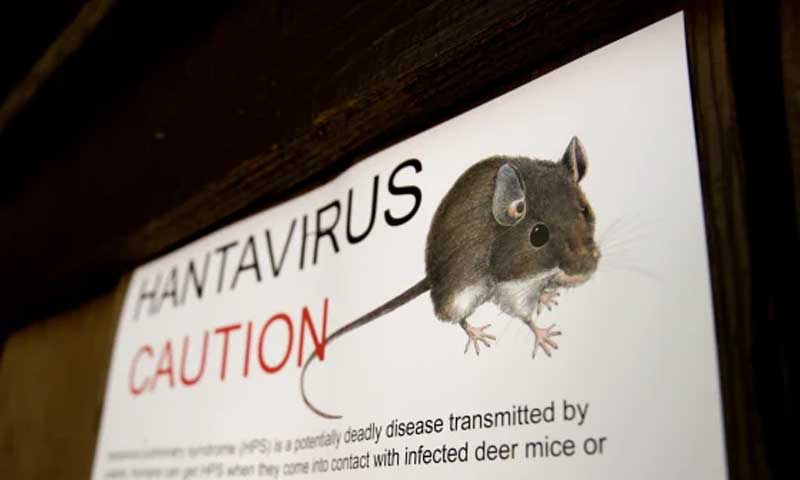
Health authorities are investigating a suspected hantavirus outbreak aboard the cruise vessel MV Hondius, which was travelling across the Atlantic Ocean from Argentina to Cape Verde. According to the World Health Organization (WHO), three passengers have died, while one case has been confirmed and five others remain under investigation.
The WHO said detailed laboratory testing is underway to confirm additional infections and determine the source of the outbreak. The incident has raised concern due to the rarity of human-to-human transmission and the typically rodent-linked nature of the virus.
What is hantavirus?
Hantavirus refers to a group of viruses carried primarily by rodents. Humans usually become infected by inhaling airborne particles contaminated with dried urine, droppings, or saliva from infected animals, according to the Centers for Disease Control and Prevention (CDC).
In rare cases, transmission can also occur through rodent bites or scratches.
The virus can lead to two serious illnesses. The first is Hantavirus Pulmonary Syndrome (HPS), which initially presents with flu-like symptoms such as fever, fatigue, and muscle pain, before progressing to severe respiratory distress. Once lung symptoms appear, the mortality rate can reach around 38 percent.
The second condition, Hemorrhagic Fever with Renal Syndrome (HFRS), primarily affects the kidneys and can lead to low blood pressure, internal bleeding, and kidney failure in severe cases.
Global spread and risk factors
Hantavirus infections are relatively uncommon but widely distributed. The CDC estimates that several thousand cases of HFRS occur globally each year, with the majority reported in parts of Asia and Europe, particularly China.
In the United States, fewer than 1,000 cases have been recorded since national surveillance began in the early 1990s. However, strains such as Seoul virus, carried by Norway rats, are found in urban environments worldwide.
Treatment and prevention
There is currently no specific antiviral treatment for hantavirus. Medical care focuses on supportive treatment, which may include oxygen therapy, intensive care, ventilation support, or dialysis in severe cases. Health experts stress prevention as the most effective strategy. This includes avoiding contact with rodents, sealing possible entry points in homes, and using protective equipment when cleaning areas potentially contaminated by droppings.
Recent cases underline risks
Although rare, hantavirus infections can be fatal. In 2025, an infection linked to HPS was believed to have caused the death of Betsy Arakawa, the wife of actor Gene Hackman, in the United States.
Officials found evidence of rodent activity near her residence, highlighting how domestic exposure can still pose serious health risks even in developed settings. The latest cruise ship outbreak has renewed attention on the virus and the importance of early detection and strict hygiene measures in enclosed environments.
You May Also Like


- WEB DESK
- September 14, 2026
Petrol price rises by Rs4.42, diesel by Rs6.10 per litre

- WEB DESK
- September 14, 2026