- WEB DESK
- October 6, 2026
Hormuz standoff pushes oil prices higher as Iran-US peace hopes fade
-

- Zafar Ali
- May 12, 2026
WASHINGTON/DUBAI: Hopes for a peace agreement between the United States and Iran weakened further on Tuesday after US President Donald Trump dismissed Tehran’s latest response to Washington’s ceasefire proposal as “garbage”, while Iran reiterated demands that included an end to the US naval blockade and recognition of its sovereignty over the Strait of Hormuz.
Speaking to reporters, Trump said the ceasefire announced on April 7 was now “on life support” after reviewing Iran’s counterproposal.
“I would call it the weakest right now, after reading that piece of garbage they sent us. I didn’t even finish reading it,” Trump said, adding that Tehran’s response had threatened the future of the truce.
The sharp exchange underscored growing tensions between the two countries as fighting and economic pressure continue to unsettle global energy markets and raise fears of a wider regional conflict.
Iran has demanded an end to military action across the region, including in Lebanon where Israel continues operations against Hezbollah fighters backed by Tehran. Iranian officials also called for compensation for war-related damage, the lifting of the US blockade and recognition of Iran’s authority over the Strait of Hormuz.
The United States had initially proposed halting hostilities before beginning negotiations on contentious issues such as Iran’s nuclear programme.
Meanwhile, the Pentagon said the cost of the conflict had risen to $29 billion, up by $4 billion compared to estimates released last month.
Oil prices surge
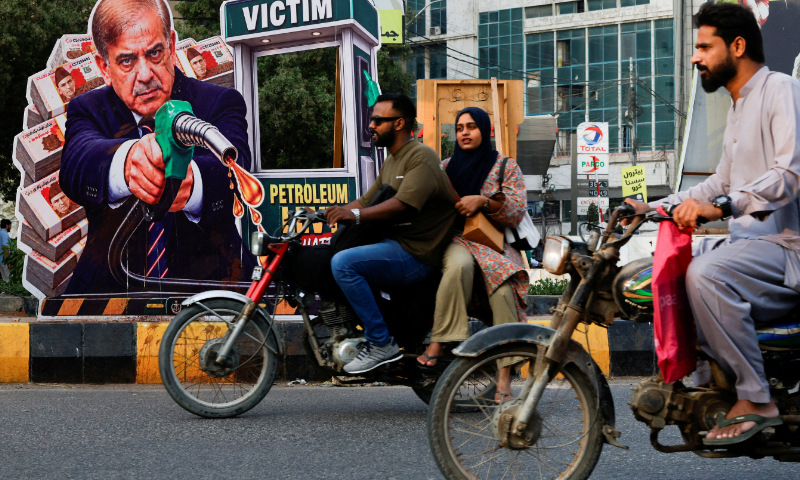
The diplomatic deadlock pushed global oil prices sharply higher, with Brent crude nearing $108 per barrel on Tuesday.
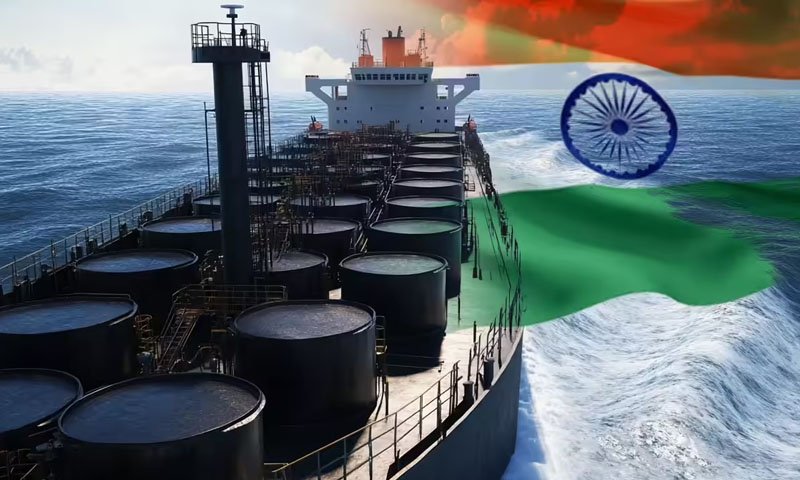
Markets remain focused on the Strait of Hormuz, a narrow waterway through which nearly one-fifth of the world’s oil and liquefied natural gas shipments passed before the war erupted on February 28.
Shipping activity through the strait has slowed dramatically amid fears of further escalation. Data from shipping trackers Kpler and LSEG showed only three crude tankers exited the waterway last week, with vessels reportedly switching off tracking systems to avoid potential attacks.
The US Central Command said the aircraft carrier Abraham Lincoln remained deployed in the Arabian Sea to enforce the naval blockade against Iran. According to the military, the carrier group redirected 65 commercial vessels and disabled four others.
Regional tensions also spilled into neighbouring Gulf states. Kuwait announced the arrest of four alleged infiltrators linked to Iran’s Revolutionary Guards who attempted to enter the country by sea, according to state news agency KUNA. Iran did not immediately respond to the allegation.
Iran signals defiance
Iranian officials issued statements indicating Tehran was unwilling to soften its position despite mounting pressure.
According to Iran’s Fars news agency, Mohammad Akbarzadeh, deputy political director of the Islamic Revolutionary Guard Corps Navy, said Iran had expanded its operational definition of the Strait of Hormuz under a new military strategy.
He reportedly described the zone as stretching from the coastal city of Jask in eastern Iran to Siri Island in the west.
In another sign of escalating rhetoric, parliamentary national security commission spokesperson Ebrahim Rezaei said Iran could enrich uranium up to 90 per cent purity — considered weapons-grade level — if the country faced another attack.
State television also showed Revolutionary Guards conducting military drills in Tehran focused on “preparation to confront the enemy”.
The United States on Monday imposed fresh sanctions on individuals and companies accused of helping Iran export oil to China. Washington said the measures were aimed at restricting funding for Tehran’s military and nuclear programmes while warning financial institutions against sanctions evasion.
Trump heads to China
Trump is expected to arrive in Beijing on Wednesday, where Iran is likely to feature prominently in talks with Chinese President Xi Jinping.
The worsening crisis has also increased political pressure on the White House domestically as fuel prices continue to rise ahead of congressional elections later this year.
A Reuters/Ipsos poll released on Monday showed that two out of three Americans believe Trump has failed to clearly explain why the United States entered the war. The survey also found that almost all Democrats and one in three Republicans shared those concerns.
In response to rising fuel costs, Trump said he would temporarily suspend the federal gasoline tax.
“As soon as this is over with Iran, as soon as it’s over, you’re going to see gasoline and oil drop like a rock,” he said.
International concern grows
In Doha, Turkish Foreign Minister Hakan Fidan urged efforts to reopen the Strait of Hormuz and warned against using the key shipping route as a “weapon” during the conflict.
Washington has struggled to build broader international backing for military efforts in the Gulf, with NATO allies reportedly reluctant to participate in operations aimed at reopening the waterway without a comprehensive peace agreement and an internationally mandated mission.
The US State Department said Secretary of State Marco Rubio held separate discussions with British and Australian counterparts regarding “efforts to restore freedom of navigation in the Strait of Hormuz”.