- WEB DESK
- September 16, 2026
IMF, Pakistan near agreement on budget targets as talks enter final day
-

- Zafar Ali
- May 20, 2026
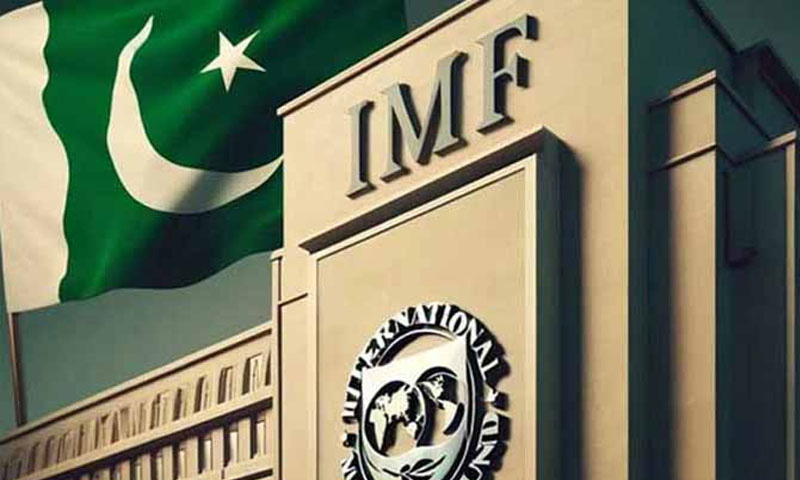
ISLAMABAD: Pakistan and the International Monetary Fund (IMF) are in the final round of negotiations over the federal budget for fiscal year 2026–27, with both sides expected to reach consensus on key fiscal targets, sources said on Wednesday.
The talks come as the government shared a draft of its new five-year auto policy (2026–2031) with the IMF, which prioritises the promotion of electric vehicles in the country’s transport sector.
According to official sources, the IMF has proposed an 18 per cent general sales tax (GST) on electric vehicles, while Pakistan has recommended a significantly lower rate of 1 per cent, arguing that reduced taxation is necessary to encourage adoption of new energy vehicles.
The government’s position is that low tax rates are essential to promote the transition towards electric mobility.
Sources said that the proposed policy also considers reduced taxation for a range of electric vehicles, including three- and four-wheelers, motorcycles, buses, trucks, pickups, double-cabin vehicles and tractors.
Pakistan has also proposed reducing tariffs in the auto sector to 6 per cent by 2030, as part of broader reforms aimed at boosting local production, exports and employment.
The draft policy outlines plans to modernise the country’s automotive industry and shift it towards a more technology- and export-driven model, official sources said.
It also includes measures to address weaknesses in previous policies and introduce new regulatory frameworks.
They said that Pakistan aims to transform the auto sector into a globally competitive manufacturing hub by 2031.
The auto industry was hit hard between 2022 and 2024 due to economic instability, inflation and import restrictions, which led to a significant decline in production.
Sources earlier said that the IMF has imposed 11 new conditions on Pakistan, including frequent increases in electricity and gas prices, higher tax targets and wide-ranging structural reforms.
The conditions have come as Pakistan seeks to meet fiscal benchmarks under its ongoing programme with the IMF, which has required stricter revenue mobilisation and policy reforms across energy, taxation and governance sectors.
According to reports, the IMF has set a petroleum levy collection target of Rs1.727 trillion for the next fiscal year, significantly increasing the burden on consumers through higher fuel-related charges.
The Fund has also set a Federal Board of Revenue (FBR) tax collection target of Rs15.267 trillion, alongside proposed additional measures worth Rs430 billion to help meet the goal.
Of the proposed additional measures, Rs215 billion are expected to come from new taxes, while Rs115 billion would be generated through enforcement actions and improved compliance.
You May Also Like