- WEB DESK
- September 14, 2026
India’s ‘Crocodile Deterrent’ plan triggers human and ecological outrage, says Al Jazeera
-

- Sadia Basharat
- April 30, 2026
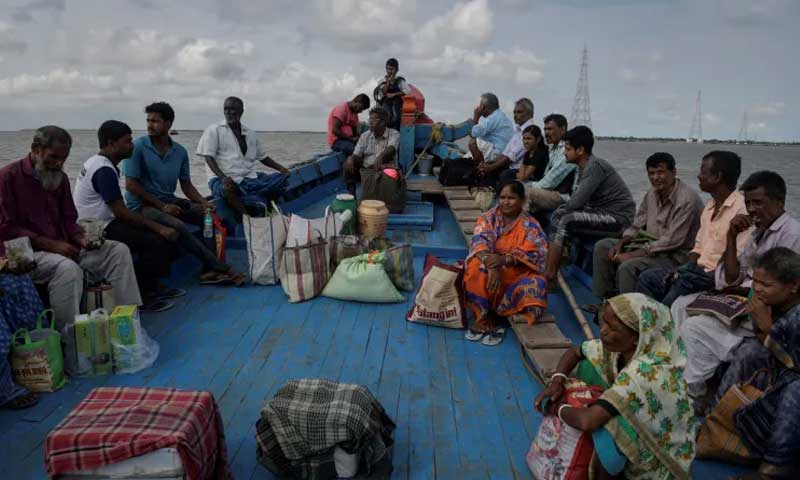
WEB DESK: The Indian government is facing a wave of backlash from human rights activists and conservationists following reports that the Border Security Force (BSF) is exploring a plan to introduce apex predators, including crocodiles and venomous snakes, into riverine stretches along the Bangladesh border to deter undocumented migration.
In an internal communication dated 26 March, the BSF responsible for patrolling the 4,096km (2,545-mile) frontier instructed its eastern and northeastern commands to investigate the “feasibility of deploying reptiles” in vulnerable gaps where traditional fencing is impossible due to marshy terrain.
The proposal has been met with incredulity and horror by observers who describe it as a “weaponisation of nature” and a “sinister” escalation of border enforcement.
Analysts argue that such a move represents a form of “biopolitical violence” that fails to distinguish between migrants, smugglers, and the local Indian and Bangladeshi populations who have inhabited these riverbanks for generations.
Risks to local communities and ecosystems
Experts warn that the introduction of dangerous wildlife into these shared waterways poses a lethal threat to the local populace on both sides of the border.
Unlike a physical fence, apex predators do not recognise international boundaries or legal status. Conservationists, including Rathin Barman of the Wildlife Trust of India, have highlighted that crocodiles and venomous snakes are not native to many of these specific riverine stretches.
Moving them could lead to ecological collapse or the death of the animals themselves. Furthermore, the region is highly prone to seasonal flooding, there are fears that rising waters could wash these predators into residential villages, endangering fishers and farmers who rely on the river for their livelihoods.
Political motivations and human rights concerns
The proposal comes amid a backdrop of tightening border controls under Prime Minister Narendra Modi’s government, which has frequently framed undocumented migration as a threat to national demographics.
Human rights activists, such as Harsh Mander, argue that the plan is an extension of “extrajudicial methods” used to harass religious minorities, particularly Bengali Muslims.
Critics suggest that instead of pursuing formal judicial processes or diplomatic engagement with Dhaka, New Delhi is opting for “peak cruelty.”
While some have compared the idea to the controversial “Alligator Alcatraz” detention facility in the United States, observers note there is no modern precedent for using natural predators as a functional international fence, calling the logic behind the BSF’s plan both “absurd” and “dehumanising.”
You May Also Like


- WEB DESK
- September 14, 2026